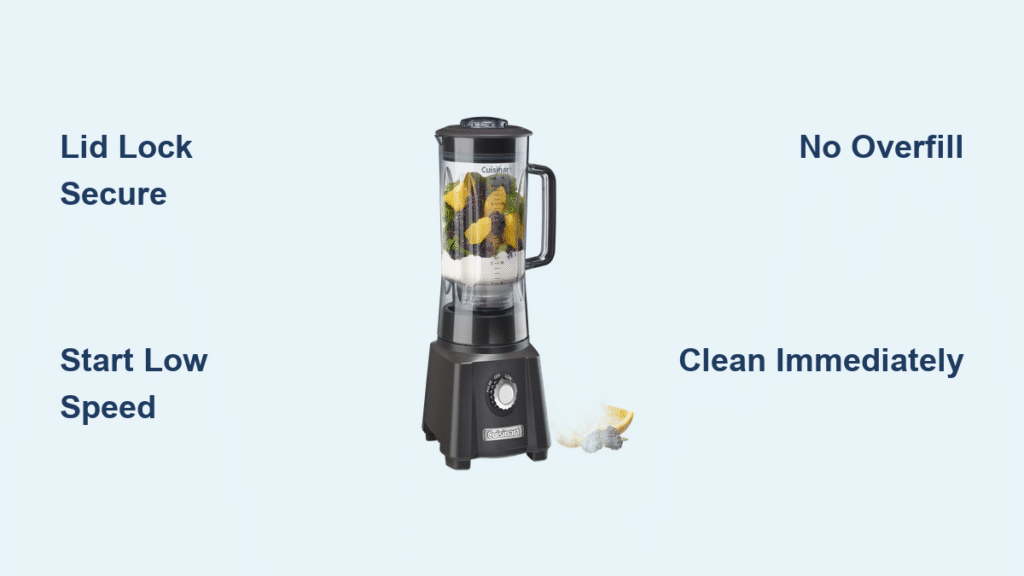
Your Cuisinart blender just arrived, but you’re staring at the parts wondering how to work a Cuisinart blender without making a mess. You’ve heard it crushes ice like a pro and creates silky smoothies, but without clear instructions, it’s gathering dust on your counter. Stop guessing—this guide gives you the exact steps to operate, clean, and troubleshoot your blender like a kitchen veteran. You’ll discover essential safety rules, the right ingredient order for perfect textures, and how to unlock advanced features that transform frozen fruit into creamy sorbets. By the time you finish reading, you’ll know exactly how to work a Cuisinart blender for flawless results every time—whether you’re making morning smoothies or velvety hot soups.
Mastering your Cuisinart blender starts with understanding its unique capabilities. Unlike cheaper models, its powerful motor and precision blades handle everything from leafy greens to frozen ingredients with ease. But improper use leads to leaks, uneven blending, or even safety hazards. This guide cuts through the confusion with actionable steps verified by Cuisinart’s engineering standards. You’ll learn why ingredient order matters, how to prevent air pockets, and when to use pulse versus continuous blending. Most importantly, you’ll gain the confidence to create restaurant-quality dishes at home—no culinary degree required.
Setting Up Your Cuisinart Blender Correctly
Verifying All Components Before First Use
Unbox your blender and immediately check for these critical parts: the motor base with power cord, glass or BPA-free plastic pitcher, locking lid with removable center cap, stainless steel blade assembly, and user manual. Inspect each piece under bright light—cracks in the pitcher or bent blades cause leaks and poor performance. If any component is damaged or missing, contact Cuisinart support before proceeding. Never operate with compromised parts; safety must come first when learning how to work a Cuisinart blender.
Essential First-Time Cleaning Steps
Hand-wash the pitcher, lid, and blade assembly in warm soapy water using a soft sponge—never abrasive scrubbers that scratch surfaces. Rinse thoroughly and air-dry for 30 minutes to prevent water spots. Wipe the motor base with a damp cloth only; never submerge it in water as this voids your warranty. Ensure all parts are bone-dry before assembly. Moisture near electrical components risks short-circuiting, so skip this step at your peril when setting up how to work a Cuisinart blender.
Operating Your Cuisinart Blender Safely
Non-Negotiable Electrical Safety Rules
Dry your hands completely before touching the blender—operating with wet hands risks electric shock. Place the motor base on a stable, level counter away from edges, and keep the cord clear of stovetops. Always unplug immediately after use; this prevents accidental activation during cleaning. Never let children operate the blender unsupervised, and store it out of reach when not in use. These protocols aren’t suggestions—they’re mandatory for safe operation when you learn how to work a Cuisinart blender.
Critical Blending Safety Practices
Never blend liquids hotter than 175°F (80°C)—pressure buildup can blow the lid off, causing severe burns. Always fill pitchers only halfway for hot liquids and cover the opening with a folded kitchen towel while holding the lid firmly. Never insert utensils while blades spin; use only the included tamper to push ingredients down. Operate exclusively on stable surfaces with the lid locked—Cuisinart’s safety switches prevent startup if components aren’t secured. Skipping these steps risks injury when mastering how to work a Cuisinart blender.
Cuisinart Blender Parts and Their Functions

Motor Base: Powerhouse Operations
Your motor base houses the 1.5+ horsepower engine with variable speed dials (1-10) and pulse button. Non-slip feet keep it anchored during high-speed operation. The control panel lets you start low for delicate tasks like emulsifying dressings, then ramp up to crush ice instantly. Weight distribution (typically 5-8 lbs) prevents tipping—never disable the non-slip feet. Understanding this core component is fundamental to how to work a Cuisinart blender effectively.
Pitcher and Blade System Explained
Choose between durable glass or shatterproof Tritan plastic pitchers (48oz-64oz). Measurement markings eliminate guesswork for recipes. The stainless steel blade assembly—either four or six points—features downward-angled blades that pull ingredients toward the vortex. Never force oversized items; cut fibrous vegetables into 1-inch pieces first. This system’s engineering allows it to pulverize frozen fruit without straining the motor, a key advantage in how to work a Cuisinart blender.
Lid and Center Cap Mechanics
The lid locks with an audible click, sealing tightly to prevent leaks. The removable center cap serves dual purposes: a 2-ounce measuring cup and an ingredient chute. Always keep it inserted unless adding items mid-blend—this maintains pressure control. For hot liquids, remove the cap and cover with a towel instead. This design prevents splatters while enabling real-time adjustments, crucial for mastering how to work a Cuisinart blender.
How to Work a Cuisinart Blender: Basic Operations
Smoothie Success in 60 Seconds
Start with liquid (½ cup milk or juice), add soft ingredients (yogurt, banana), then frozen items (½ cup berries) on top. Secure the lid tightly, plug in, and begin on Speed 1. Gradually increase to Speed 6 over 15 seconds. Blend 45 seconds total—never exceed 60 seconds to avoid overheating. For chunkier textures, use 3-second pulses. This layering method prevents blade binding, the #1 mistake when learning how to work a Cuisinart blender.
Foolproof Ice Crushing Technique
Fill the pitcher only one-third full with ice cubes. Add ¼ cup liquid (water or juice) to lubricate blades. Start on Speed 1 for 5 seconds, then increase to Speed 4. Use 3-second pulses until ice reaches your desired consistency—over-blending creates watery slush. Stop and check texture frequently; Cuisinart’s sharp blades process ice faster than cheaper blenders. This precision is why knowing how to work a Cuisinart blender matters for perfect cocktails.
Hot Liquid Blending Without Burns
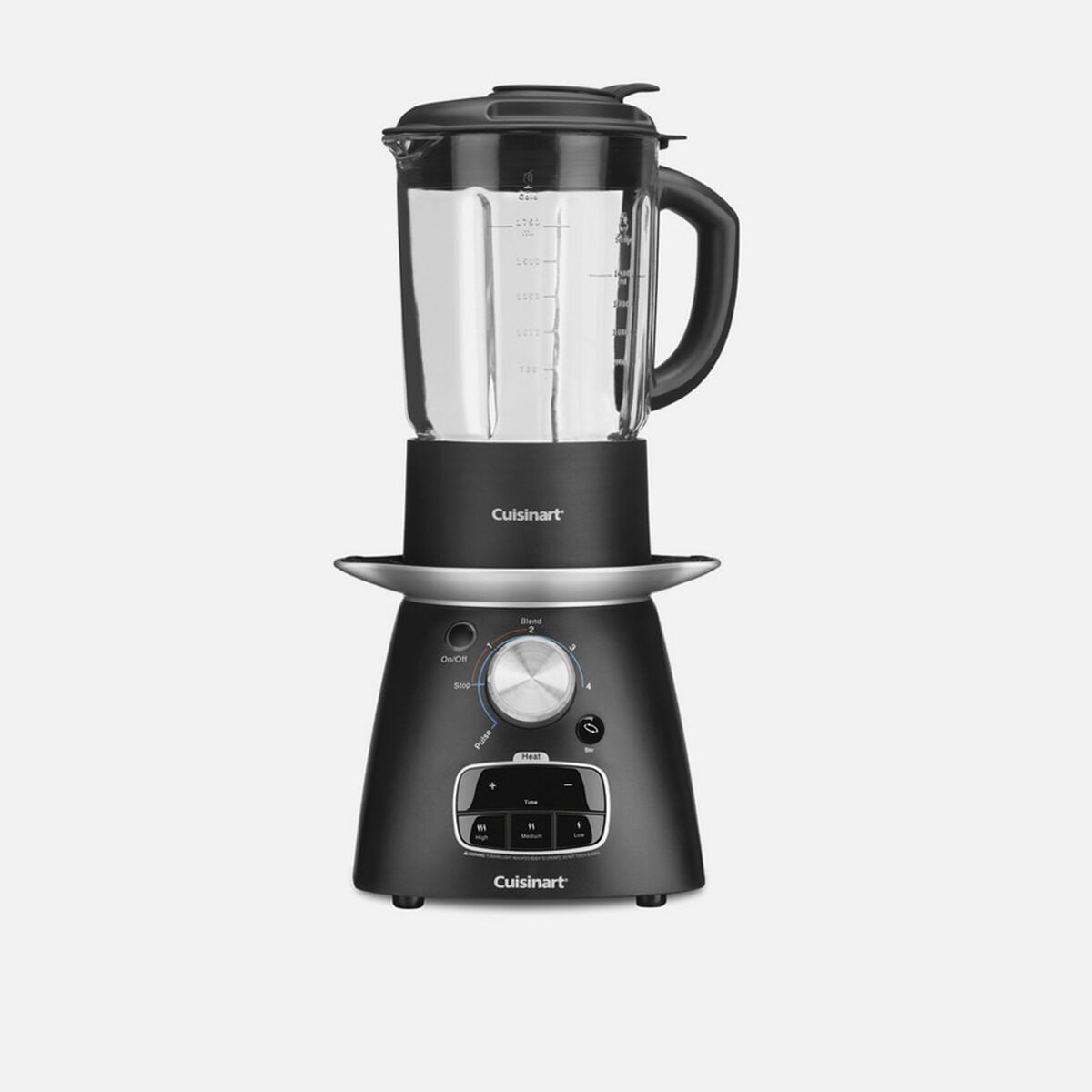
Cool soups below 175°F first—Cuisinart recommends 10 minutes of resting time. Fill the pitcher halfway, remove the center cap, and cover with a folded towel. Hold the lid firmly while starting on Speed 1. Gradually increase to Speed 3 as steam escapes; never begin on high speed. Blend in 15-second intervals to prevent pressure buildup. This technique leverages the blender’s friction-heating capability safely, a must-know for how to work a Cuisinart blender.
Using Advanced Cuisinart Blender Features
Speed Control Mastery Chart
Low speeds (1-3) gently mix dry ingredients for batters. Medium (4-6) purees soups without aerating. High (7-10) crushes ice and frozen fruit instantly. Always start low—ramping up prevents ingredient splash-out. For nut butters, begin at Speed 2, then increase to 8 while scraping sides every 30 seconds. This graduated approach extends motor life and is essential for how to work a Cuisinart blender like a pro.
Pulse Function Precision Guide
The pulse button delivers 1-2 second power bursts for ultimate control. Use it for:
– Chunky salsas (3 pulses at Speed 5)
– Fresh pesto (5 pulses at Speed 7)
– Chopping vegetables (4 pulses at Speed 4)
Never hold pulse longer than 2 seconds—this strains the motor. Pulse prevents over-processing, giving you restaurant textures impossible with continuous blending. Mastering this is critical for how to work a Cuisinart blender effectively.
Pre-Programmed Settings Demystified
Select models feature one-touch cycles:
– Smoothie: 45-second optimized program for fruit blends
– Ice Crush: 30-second cycle for frozen cocktails
– Soup: Friction-heats purees to 160°F in 90 seconds
– Clean: Self-cleans with soap/water in 60 seconds
Activate these only with the pitcher properly seated. Run the Clean cycle immediately after use—dried residue damages blades. These features transform how to work a Cuisinart blender from manual to effortless.
Cleaning and Maintaining Your Cuisinart Blender
30-Second Daily Cleaning Method
Unplug immediately after use. Fill the pitcher halfway with warm water and one drop of dish soap. Secure the lid and blend on high for 30 seconds. Rinse thoroughly and air-dry all parts. Never skip this step—dried food particles cause odors and motor strain. Performing this routine is non-negotiable for how to work a Cuisinart blender long-term.
Monthly Deep Cleaning Protocol
Remove the blade assembly (if model allows) and soak all parts in warm soapy water for 15 minutes. Use a bottle brush to scrub pitcher interiors and lid crevices where residue hides. Inspect the rubber gasket for tears—replace if cracked as this causes leaks. Wipe the motor base with a damp cloth only. Deep cleaning monthly prevents performance decline in how to work a Cuisinart blender.
Fixing Common Cuisinart Blender Problems
Blender Won’t Start: 3 Fixes
- Ensure the pitcher is fully seated (most models require precise alignment)
- Verify the lid locks with an audible click—safety switches prevent operation otherwise
- Let the motor cool 15 minutes if overheated from prolonged use
Never force components—misalignment causes damage. These checks resolve 90% of startup failures when learning how to work a Cuisinart blender.
Stopping Leaks at the Source
Tighten the blade assembly clockwise until snug—but never overtighten as this cracks plastic pitchers. Replace worn gaskets annually; dried seals cause bottom leaks. Never exceed the MAX fill line—overfilling forces liquid through lid seals. Fixing leaks is foundational to how to work a Cuisinart blender without frustration.
Ingredient-Specific Blending Techniques
Leafy Greens Without Lumps
Add greens after liquids but before frozen items. Pack loosely—compressed kale creates air pockets. Blend at Speed 8 with 1 cup liquid for 60 seconds. For fibrous greens like collards, blanch first for 30 seconds. This technique ensures smooth results when you learn how to work a Cuisinart blender.
Frozen Fruit Without Blade Binding
Let frozen fruit thaw 5 minutes first. Add last to the pitcher after liquids. Start with 3-second pulses at Speed 5, then blend continuously at Speed 7. Always include ¼ cup extra liquid—frozen fruit absorbs moisture rapidly. This method prevents motor strain in how to work a Cuisinart blender.
Extending Your Cuisinart Blender’s Lifespan
Storage and Maintenance Schedule
Store disassembled with pitcher lid off to prevent odors. Wrap the cord loosely—never tightly bend it. Perform deep cleaning weekly, inspect parts monthly, and replace gaskets annually. Register your blender online within 30 days for full warranty coverage (3 years on motor base). These habits ensure decades of reliable service when you know how to work a Cuisinart blender.
Mastering how to work a Cuisinart blender transforms it from a countertop decoration into your most versatile kitchen tool. Start with simple smoothies using the layering technique, then progress to hot soups and nut butters. Always clean immediately after use—dried residue is the #1 cause of premature failure. Remember the golden rules: never blend liquids over 175°F, always secure the lid, and start on low speed. Within a week of consistent use, these steps will become second nature. Your blender’s 3-year warranty gives peace of mind, but proper care ensures it’ll outlast that coverage by years. Now unplug that pitcher, grab your ingredients, and create your first perfect blend—you’ve got this.