
Your dinner party is minutes away, and you’re still hunched over the cutting board wrestling with a rock-hard potato. Knuckles white, knife wobbling, you produce uneven slices—some translucent, others chunky—that will bake into a disaster of undercooked centers and burnt edges. This frustrating ritual ends the moment you master how to use Cuisinart to slice potatoes. Your food processor transforms this tedious chore into a 90-second task delivering restaurant-quality uniformity. Whether you’re crafting delicate scalloped potatoes, crispy homemade chips, or elegant hasselbacks, your Cuisinart unlocks consistent results that hand-slicing could never achieve. In this guide, you’ll discover the exact setup, techniques, and pro secrets to make perfect potato slices every time—saving you precious minutes while elevating your dishes from amateur to exceptional.
Choose Your Cuisinart Setup
Required Equipment Checklist
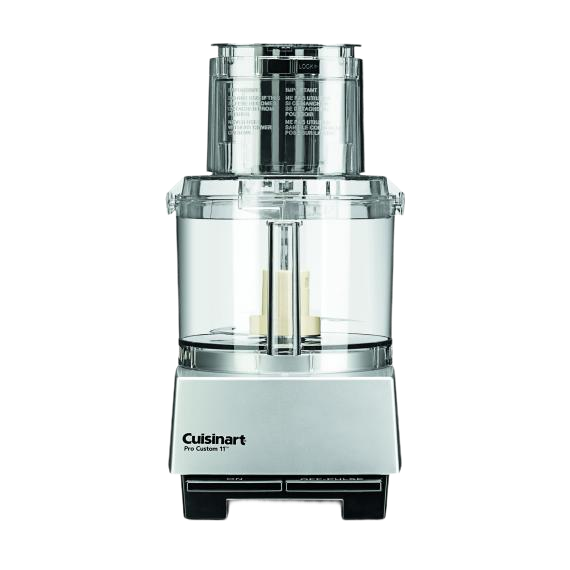
Your Cuisinart needs three critical components for flawless potato slicing. First, locate the slicing disc—this specialized attachment creates the uniform cuts essential for even cooking. Next, find the feed tube pusher, which safely guides potatoes toward the blade without risking injury. Finally, verify your model compatibility: vintage units like the DLC-018BTX work reliably, while modern 13-cup models (like KitchenAid equivalents) handle whole potatoes. Never substitute the dicing kit or S-blade—they’ll shred potatoes instead of slicing cleanly. Keep a vegetable brush and cutting board nearby for prep.
Assemble for Success
Lock your work bowl onto the base with a firm clockwise twist until it clicks. Slide the drive adapter onto the central pin inside the bowl, then place the slicing disc on top with the sharp edge facing down. Secure the lid with the large feed tube opening—remove any inserts to maximize space. For older models with restrictive tubes, slide the pusher’s lock mechanism sideways to release the larger section. This critical setup prevents wobbling during operation, ensuring every slice maintains consistent thickness without slippage.
Prep Potatoes Like a Pro
Select the Right Spuds
Choose firm, cold potatoes straight from the refrigerator—never room-temperature or sprouting ones that cause mushy results. Combine Yukon Golds (for creamy texture) and russets (for structural integrity) in equal parts. Scrub vigorously under cool water with a vegetable brush to remove all dirt, then eliminate eyes and blemishes with a paring knife. Peel only if your recipe demands skinless potatoes, like classic scalloped dishes. Warm or aged potatoes will tear during slicing, so prioritize freshness for clean cuts.
Cut to Fit Your Machine
For standard Cuisinart models (most 7-12 cup units), cut potatoes lengthwise into 2-3 inch chunks that slide smoothly through the feed tube. Angle cuts to create flat surfaces that prevent rolling. Skip pre-cutting only if using a 13-cup model explicitly designed for whole potatoes—check your manual first. Never force oversized pieces; this strains the motor and creates uneven slices. Keep chunks uniform so pressure remains consistent as you feed them through the tube.
Master Thickness Settings
Dial in Perfect Slices
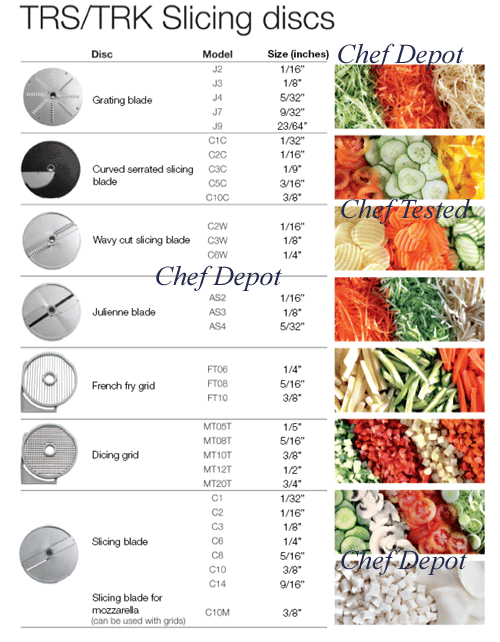
Find the thickness adjustment knob or lever near the disc housing—it controls slice precision. For scalloped potatoes or gratin dauphinois, set to 1/8 inch (the thinnest setting) to create delicate, melt-in-your-mouth layers. Rotate the knob left for thinner cuts, right for thicker ones. When making French fries or loaded potato skins, switch to 1/4 inch for sturdy slices that hold toppings. Verify settings visually before processing: misaligned knobs cause inconsistent results that ruin dish texture.
Test Before You Process
Always run a single potato test slice first. Insert one chunk, process for 3 seconds, and inspect the result. If slices are too thick, adjust the knob incrementally thinner—never jump multiple settings at once. Remember: you can always reduce thickness later, but thick slices can’t be fixed without reprocessing. This 10-second check prevents wasting an entire batch, especially crucial when prepping for time-sensitive meals.
Execute Flawless Slicing
Safe Feeding Technique
Turn the processor to high speed—lower settings cause tearing. Insert potato chunks one at a time using steady, moderate pressure with the pusher. Never jam pieces downward; let the machine’s rotation pull them through. Maintain consistent pressure: too light causes gaps between slices, too heavy strains the motor. Keep your free hand clear of the feed tube, and pause between chunks to prevent jamming. This rhythm produces uniform slices in under two minutes for 4-5 medium potatoes.
Process in Batches
Fill the feed tube efficiently but don’t overload—process 3-4 potato chunks per batch for optimal results. After each batch, lift the lid briefly to check slice quality while the disc spins down. If potatoes vary in density (common with mixed varieties), adjust pressure slightly for subsequent batches. Never exceed the work bowl’s ⅔ capacity to avoid overflow. This method ensures all slices cook evenly, eliminating the frustration of some pieces burning while others stay raw.
Troubleshoot Common Issues

Handle Restrictive Feed Tubes
Older Cuisinart models (40+ years) often have narrow feed tubes that reject pre-cut chunks. Solve this by sliding the feed tube lock mechanism fully to one side—it releases the larger pusher section, instantly doubling capacity. Test with a single chunk first; if resistance occurs, trim pieces slightly thinner. Never force potatoes, as this can crack the feed tube or damage internal gears. This simple fix restores vintage processors to full functionality.
Prevent Mushy Slices
Slices turn ragged when using warm, overripe, or bruised potatoes. Always refrigerate potatoes 30 minutes before slicing—they firm up significantly. If slices still tear, your disc may be dull; inspect the blade edge for nicks (replace if damaged). Never process potatoes stored in water—they absorb moisture and lose structural integrity. For immediate use, skip pre-soaking; only submerge slices post-processing if storing.
Store Sliced Potatoes Safely
Cold Water Method
Submerge slices immediately in ice-cold water to halt oxidation. Change the water every 2 hours if storing longer than 4 hours—cloudy water accelerates browning. Refrigerate in an airtight container for up to 24 hours; beyond that, texture degrades. When baking, drain slices thoroughly and pat dry with paper towels to prevent steaming. This method preserves the vibrant color and crisp edges essential for presentation.
Batch Processing Strategy
Pre-cut all potatoes before firing up the processor. Slice in batches matching your work bowl capacity (usually 3-4 potatoes), storing excess in cold water. For large events, process one variety at a time—Yukon Golds first, then russets—to maintain consistent texture. Never mix pre-cut potatoes between batches; varying densities cause uneven slicing. This approach ensures every slice performs identically during cooking.
Create Perfect Scalloped Potatoes
Build Your Sauce
Combine 2 cups heavy cream, 1 cup grated Gruyère cheese, 1 teaspoon salt, ½ teaspoon black pepper, and a pinch of nutmeg in a saucepan. Heat gently until cheese melts—don’t boil, or the sauce will curdle. For extra depth, whisk in 1 minced garlic clove or 1 teaspoon fresh thyme. This rich base coats slices evenly without overwhelming their natural flavor.
Layer Like a Chef
Grease a 9×13-inch dish and arrange 1/8-inch slices in tight, overlapping concentric circles. Pour ⅓ of the sauce over the first layer, ensuring every slice is coated. Repeat twice, finishing with sauce on top. Cover tightly with foil and bake at 375°F for 45 minutes. Remove foil for the final 15-20 minutes to develop a golden crust. Rest 10 minutes before serving—this lets layers set for clean cuts.
Maintain Peak Performance
Clean Like Clockwork
Disassemble all parts immediately after use—dried potato starch hardens rapidly. Wash the slicing disc by hand with hot, soapy water; never stack it in the dishwasher where impacts can dull the blade. Dry thoroughly with a microfiber towel, especially the blade edges, to prevent rust. Store the disc in its protective sleeve or a dedicated container with blade guards. Neglecting this invites corrosion that ruins future slices.
Safety First, Always
Never bypass the pusher—spinning discs can sever fingertips in milliseconds. Confirm the lid locks with an audible click before starting. Keep countertops clear of obstacles; a loose potato chunk can make the processor “walk” during operation. Unplug before disassembly, and store the unit away from children’s reach. These non-negotiable rules protect your most valuable kitchen asset—your hands.
Maximize Your Results
Pro Tips for Excellence
Boost flavor by tossing slices with 1 teaspoon garlic powder or smoked paprika before layering. For crispy scalloped potatoes, top the final layer with ¼ cup panko breadcrumbs mixed with 2 tablespoons melted butter. When making chips, add rosemary sprigs to the feed tube—they’ll infuse slices with herbal notes as they process. Always mix potato varieties: 50% Yukon Gold for creaminess, 50% russet for structure.
Time-Saving Shortcuts
Process an entire 5-pound bag at once—slice, blanch in boiling water for 2 minutes, then freeze on parchment-lined trays. Transfer frozen slices to bags for up to 3 months; they go straight from freezer to baking dish. Pre-mix dry seasonings (salt, pepper, herbs) in jars so you can flavor batches instantly. For last-minute guests, use pre-sliced frozen potatoes to assemble scalloped potatoes in under 15 minutes.
Your Cuisinart transforms potato prep from a dreaded chore into a 90-second powerhouse technique. By following these precise steps—from selecting cold potatoes to adjusting that critical thickness knob—you’ll achieve uniform slices that cook evenly every time. Whether you’re hosting holiday dinners or weeknight family meals, this skill saves hours while delivering results that impress. Start tonight: pull out your processor, grab a few potatoes, and slice your way to culinary confidence. The perfect gratin, crispy chips, or elegant hasselbacks are just one push of the button away.