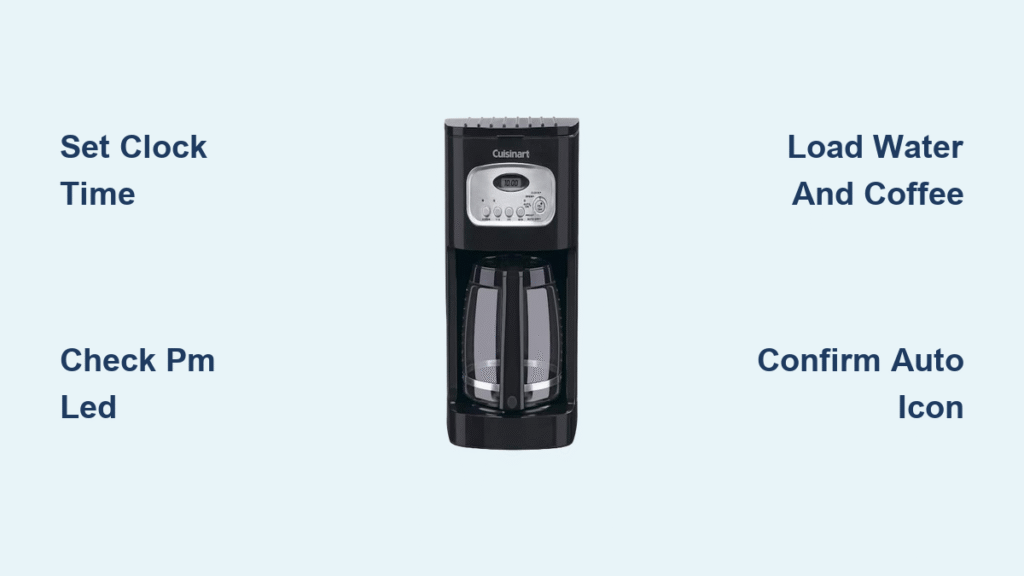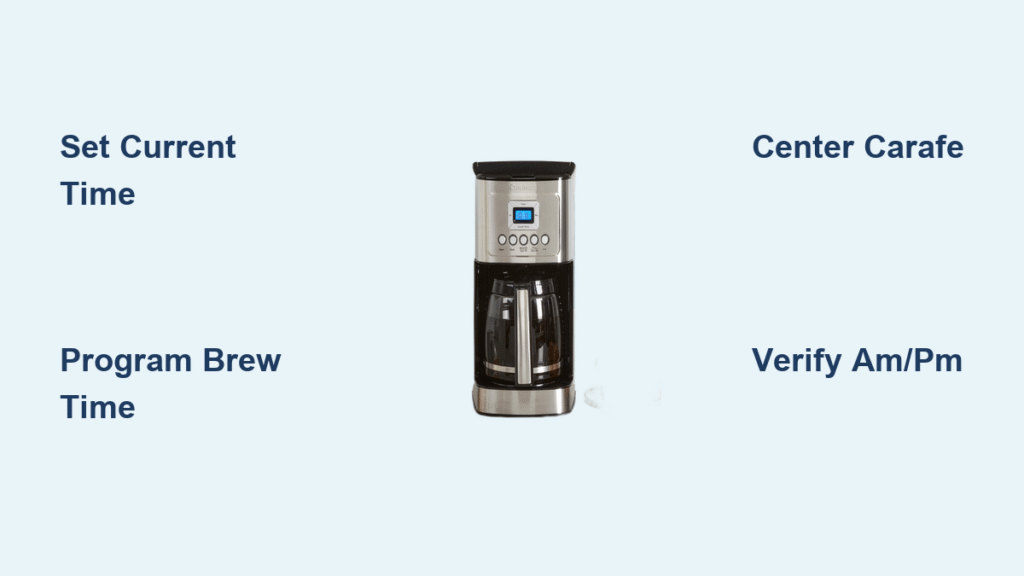
That half-finished cup of coffee sitting cold on your counter? Don’t pour it out yet—you can revive it using your Cuisinart machine properly. While Cuisinart coffee makers lack a dedicated “reheat” button, understanding your specific model’s capabilities unlocks safe warming techniques that preserve flavor. Most users unknowingly burn their coffee by leaving it on hot plates too long, creating bitter sludge instead of reviving their brew.
This guide cuts through the confusion with model-specific reheating protocols verified by Cuisinart’s engineering. You’ll learn exactly how to reactivate warming plates on glass carafe models, why thermal carafes require completely different approaches, and the microwave hack that saves flavor when your machine can’t help. Whether you own a DCC-3200, DCC-3400, or single-serve SS-10, these steps prevent scorched coffee while maximizing your machine’s design.
Identify Your Cuisinart Model Before Reheating
Glass vs Thermal Carafe Capabilities
Your Cuisinart’s carafe type determines whether reheating is possible at all. Glass carafe models like the DCC-3200 and DCC-1200 feature non-stick warming plates that can reactivate to reheat cooled coffee—but only for 1-2 hours maximum before bitterness sets in. Thermal carafe models (DCC-3400, DCC-2750) use double-wall stainless steel insulation alone to maintain heat for 2-4 hours; they contain no heating element and cannot reheat coffee. Single-serve units like the SS-10 lack any reheating function—always brew fresh K-Cups instead.
Locate Your Exact Model Number
Flip your machine over and check the bottom plate for the model sticker, or open the water reservoir lid where many units print the identifier. This step is non-negotiable: attempting to “reheat” a thermal carafe model by pressing buttons wastes time since the warming plate doesn’t exist. For glass carafe owners, confirming your model ensures you use the correct Auto-Off timer settings. If your unit lacks visible labeling, cross-reference its physical features against Cuisinart’s online model guide before proceeding.
Activate Your Glass Carafe Model’s Warming Plate
Restart the Heating Cycle Correctly
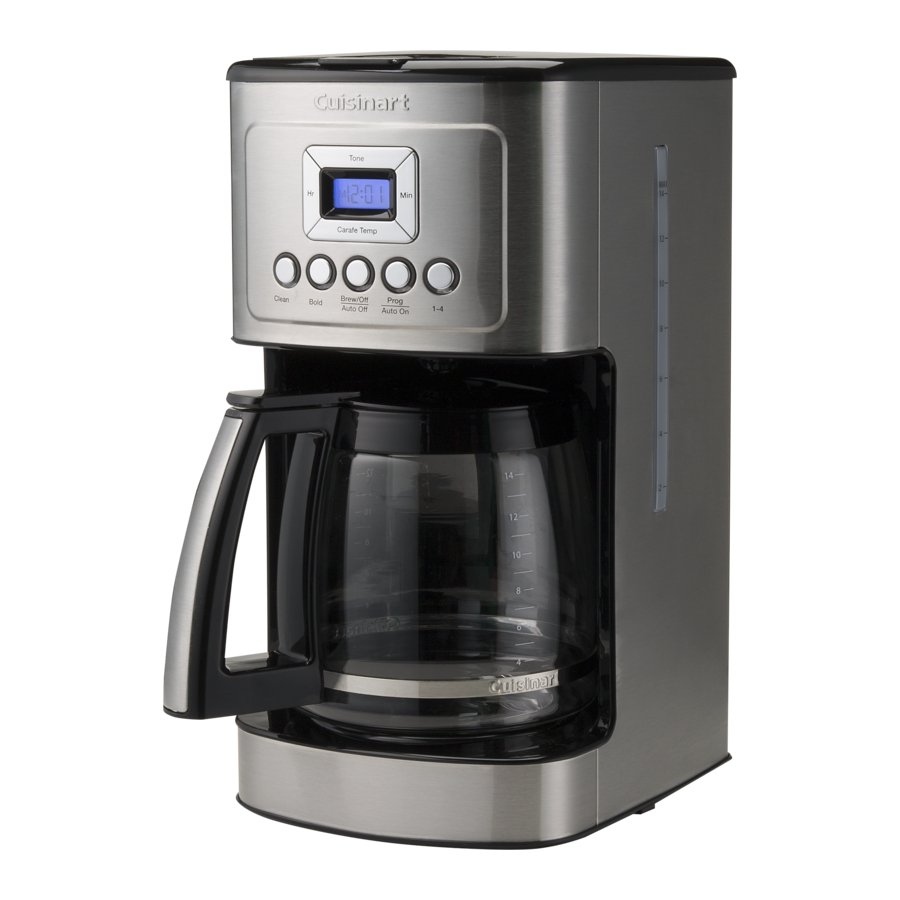
For DCC-3200 or DCC-1200 owners, do not simply leave coffee sitting on the plate all day. To safely reheat cooled coffee:
1. Press the Brew/On button to restart the warming plate (this often requires holding it 2-3 seconds)
2. Set the Auto-Off timer to 1 hour maximum using repeated button presses
3. Allow 5-7 minutes for gradual warming—never exceed 2 hours total plate time
Leaving coffee beyond this threshold cooks out volatile flavor compounds, creating acrid, burnt notes you can’t fix.
Avoid Temperature Testing Mistakes
Never judge reheated coffee temperature by touching the carafe—glass retains heat unevenly. Instead:
– Stir vigorously with a spoon before sipping to eliminate scalding hot spots
– Target 140-160°F (60-71°C); hotter temperatures extract excessive bitterness
– If steam rises immediately after stirring, it’s overheated—discard and brew fresh
Glass carafe users often ignore this step, then blame “bad beans” when their coffee tastes metallic.
Thermal Carafe Limitations and Workarounds
Preheat Instead of Reheating
Since thermal models like the DCC-3400 lack heating elements, preheating is your secret weapon. Before brewing:
1. Fill the empty carafe with hot tap water
2. Let sit 30-60 seconds to warm the stainless steel walls
3. Empty completely, then brew directly into the preheated vessel
This simple step extends heat retention by 1-2 hours. Crucially, always twist the lid into its locked position post-brew—any gap in the silicone gasket seal causes rapid cooling. If coffee still cools within 2 hours, your carafe’s vacuum insulation may be compromised.
When External Reheating Is Necessary
After 4 hours, thermal carafe coffee must be reheated externally:
– Microwave method: Transfer to ceramic mug, heat 30 seconds at 70% power
– Stovetop alternative: Warm in saucepan over lowest heat, stirring constantly until steam appears
Never microwave the carafe itself—even if labeled “microwave-safe,” thermal units contain hidden metal layers that can spark. Discard coffee showing sour or papery notes; these indicate staleness beyond revival.
Microwave Reheating Protocol for Any Model
Prevent Flavor Destruction
Whether using glass or thermal carafe leftovers, microwaving requires precision:
– Portion control: Never reheat more than 12 oz at once (uneven heating ruins flavor)
– Power setting: Use 50-70% power—full blast boils coffee, concentrating bitterness
– Timing: Start with 30 seconds for room-temperature coffee, adding 15-second bursts as needed
Stop heating when you see the first wisps of steam; residual heat will raise the temperature 10-15°F further.
Counteract Reheating Damage
Reheated coffee often tastes flat or over-concentrated due to evaporation. Fix this by:
– Adding 1-2 teaspoons of hot water per cup to restore original strength
– Using a clean mug (old coffee oils in stained ceramics worsen bitterness)
– Choosing medium-dark roasts pre-brew—lighter roasts turn sour when reheated
This preserves the coffee’s body without diluting flavor, unlike adding cold water.
Prevent Cooling Before It Happens
Optimize Batch Sizes
Your Cuisinart’s 1-4 cup setting isn’t just for small households—it’s critical for flavor preservation. When brewing:
– Adjust water levels to match cup count (e.g., 2 cups = 16 oz water)
– Select “Bold” mode for stronger extraction in smaller batches
– Discard leftovers after 1 hour on glass carafes or 4 hours in thermal units
Smaller volumes cool slower and minimize reheating needs by 60% according to Cuisinart’s brewing science.
Time Your Brewing Strategically
Coffee peaks in flavor 15-30 minutes post-brew. For all-day sipping:
– Thermal carafes: Drink within 2-4 hours (preheated)
– Glass carafes: Consume within 60 minutes to avoid hot plate degradation
– Single-serve: Brew immediately before drinking—no reheating possible
Never use “keep warm” functions overnight; Cuisinart’s safety cutoffs disable heating after 4 hours, but coffee left longer develops off-flavors.
Fix Common Reheating Disasters
Eliminate Burnt Taste Immediately
If coffee tastes ashy or charred:
1. Discard the entire pot—no amount of water fixes scorched oils
2. Run a vinegar cleaning cycle to remove baked-on residue from the plate
3. Next time, set Auto-Off to 60 minutes max and use the Bold setting
This bitterness comes from Maillard reactions on prolonged heating—your machine isn’t broken, but the coffee is unrecoverable.
Stop Uneven Heating in Microwaves
When reheated coffee has ice-cold spots next to scalding zones:
– Stir halfway through heating time to redistribute heat
– Use a microwave turntable (if yours lacks one, rotate the mug 180° manually)
– Choose rounded mugs over square containers for even energy distribution
This prevents the “lukewarm disaster” where the first sip scalds you and the last is cold.
Model-Specific Reheating Tactics
DCC-3200 Glass Carafe Mastery
This 14-cup workhorse requires disciplined reheating:
– Restart the plate via Brew/On, then press Auto-Off until display shows “1:00”
– After reheating, brew smaller batches using the 1-4 cup setting with Bold mode
– Wipe the hot plate weekly with vinegar to prevent burnt residue transfer
Exceeding 90 minutes total plate time permanently alters coffee chemistry—when in doubt, microwave instead.
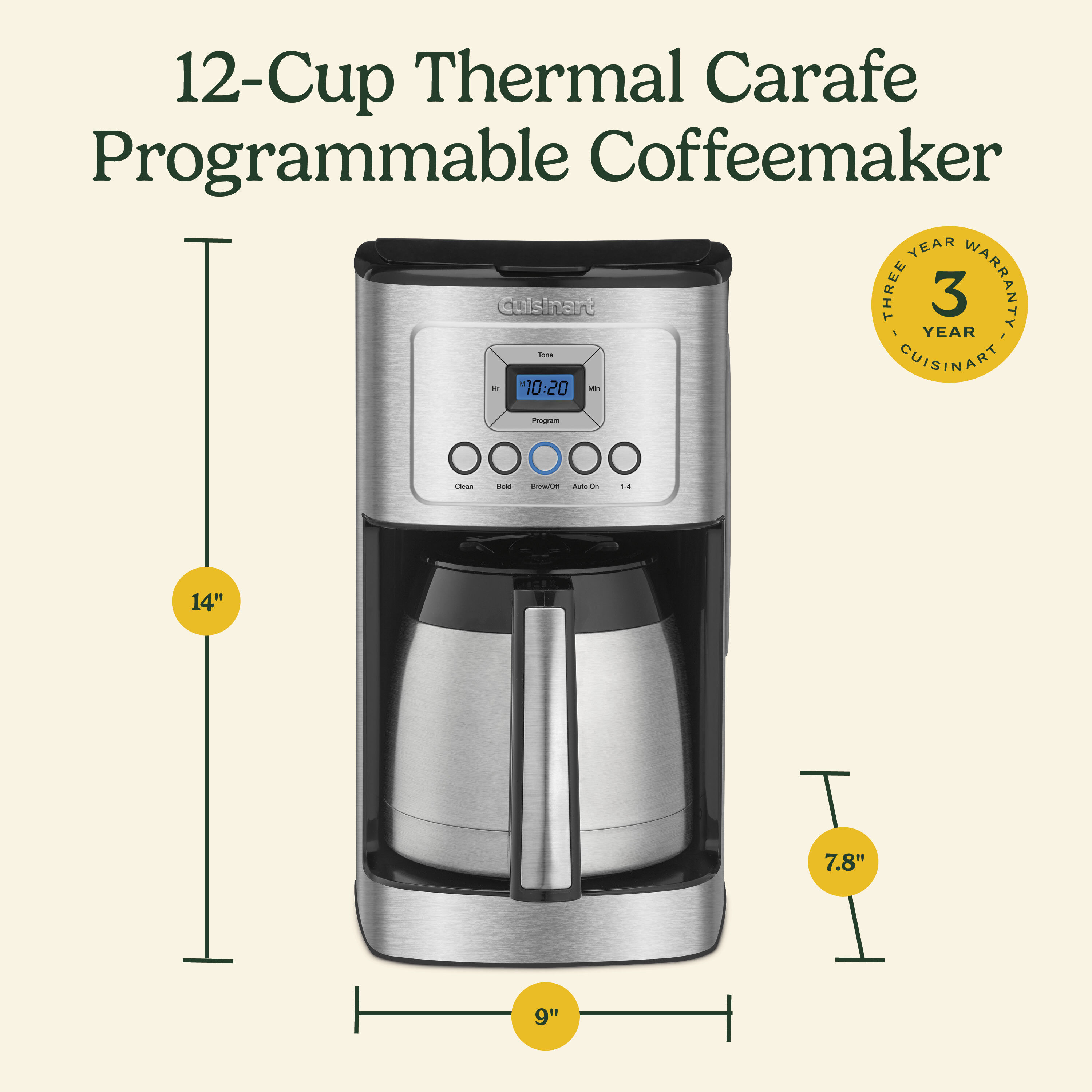
DCC-3400 Thermal Carafe Optimization
Since reheating isn’t possible:
– Preheat 60+ seconds with near-boiling water (not just warm tap water)
– Verify the lid’s twist-lock mechanism clicks audibly when sealed
– For afternoon coffee, brew fresh in the morning and transfer to a travel mug
If coffee cools in under 2 hours, inspect the carafe for dents—these compromise vacuum insulation.
SS-10 Single-Serve Reality Check
The SS-10 has zero reheating capability:
– Brew fresh K-Cups for each serving—never reheat leftovers
– For “leftover” coffee in the mug, microwave in 20-second bursts at 50% power
– Always use filtered water to prevent mineral buildup that affects taste
This model’s speed makes reheating pointless; brewing takes less time than microwaving old coffee.
Critical Reheating Rules to Remember
Glass carafe models: Can reheat coffee via warming plate for 60-90 minutes max. Never exceed 2 hours total.
Thermal carafes: Cannot reheat—use microwave for cooled coffee. Preheating is your only defense.
Single-serve units: Brew fresh. Always.
Never: Microwave carafes, reheat twice, or leave coffee overnight. When reheated coffee tastes “off,” it’s telling you to start fresh—listen to it. Your Cuisinart’s design prioritizes fresh-brew flavor, not revival. For all-day coffee needs, embrace smaller, more frequent batches using the Bold setting to maintain quality without reheating compromises.