
A chipped or cracked tile in your kitchen isn’t just an eyesore—it’s an invitation for moisture to seep beneath your flooring, potentially causing mold, structural damage, or more extensive tile failure. When that ceramic or porcelain tile takes a hit from a dropped pot or heavy appliance, you need a solution that’s both practical and lasting. Knowing how to repair broken tile in kitchen surfaces properly prevents minor damage from escalating into a costly renovation project. This guide delivers the precise steps you need to restore your kitchen’s appearance while maintaining functionality, using techniques verified by professional tile installers.
Essential Tools for Successful Tile Repair

Before attempting any repair, gather these specific tools to ensure a smooth process. Having the right equipment prevents further damage to surrounding tiles and creates a professional-looking finish. The complete toolkit includes:
- Small cold chisel (1/4-inch width)
- Rubber mallet (not metal hammer)
- Tile nippers for edge trimming
- Notched trowel (1/8-inch notch size)
- Grout float
- Tile spacers (1/16-inch)
- Utility knife with fresh blades
- Sponge and bucket for cleanup
Why Your Hammer Choice Matters
Using a regular hammer instead of a rubber mallet risks cracking adjacent tiles through vibration transfer. The rubber mallet absorbs impact while delivering enough force to break the damaged tile without damaging the substrate beneath. Professional tile installers consistently recommend this specific tool combination because ceramic tiles fracture unpredictably—controlled force prevents the damage from spreading.
Removing the Damaged Tile Without Collateral Damage
Safely Breaking the Broken Tile
Begin by scoring the grout lines surrounding the damaged tile with your utility knife. This critical first step prevents grout dust from embedding in neighboring tiles during removal. Place the cold chisel at the tile’s center and tap gently with the rubber mallet to create a starting point. Work outward from the center in a star pattern, applying light, controlled taps to break the tile into manageable pieces.
Warning: Never strike the tile’s edges directly—this transfers force to adjacent tiles. Focus impacts on the tile’s center where structural integrity is already compromised.
Complete Mortar Bed Preparation
After removing all tile fragments, scrape away old thinset mortar using the cold chisel’s edge at a 45-degree angle. The substrate must be perfectly clean and level—any remaining mortar bumps will prevent proper adhesion of the new tile. Vacuum the area thoroughly, then wipe with a damp sponge to remove dust without saturating the substrate. Allow 20 minutes for complete drying before applying new adhesive.
Selecting the Perfect Replacement Tile
Matching Tile Specifications Exactly
Finding an identical replacement requires measuring three critical dimensions:
- Tile thickness (typically 1/4 to 3/8 inch for kitchen walls)
- Glaze pattern and color batch number (often printed on tile back)
- Edge treatment (rectified edges require tighter spacing)
For older kitchens, visit specialty tile salvage yards rather than relying on big-box stores. Many homeowners don’t realize that tile manufacturers change color batches frequently—the slight variation becomes glaringly obvious once installed.
Cutting Replacement Tiles to Precision
When your replacement tile requires trimming, use tile nippers for small adjustments under 1 inch. For larger cuts, rent a wet saw from your local hardware store—this prevents the jagged edges that hand tools create. Always wear safety glasses during cutting operations as ceramic shards can cause eye injury.
Proper Thinset Application Technique
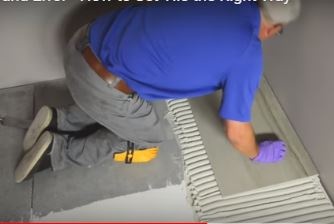
Mixing and Applying Adhesive Correctly
Create thinset mortar with a 3:1 powder-to-water ratio in a clean bucket. Mix thoroughly for 3 minutes, let rest for 10 minutes, then remix—this “slaking” process activates the adhesive properties. Apply using the notched trowel at a 45-degree angle, covering both the substrate and tile back for maximum bond strength.
Pro Tip: Hold the trowel at consistent pressure—too light creates insufficient adhesive ridges, while too heavy flattens the notches. The ideal ridge height should stand firmly without collapsing.
Setting the New Tile Without Mistakes
Place the replacement tile with firm, wiggling pressure to ensure full contact with the thinset. Insert tile spacers at all four corners before the adhesive sets. Check alignment with adjacent tiles using a level—any height discrepancy greater than 1/32 inch becomes noticeable underfoot. Wipe excess thinset immediately with a damp sponge to prevent haze formation.
Grout Application for Seamless Results
Choosing the Right Grout Type
Sanded grout works best for kitchen tiles with joints wider than 1/8 inch—it contains fine sand particles that prevent shrinkage cracks. Unsanded grout is appropriate only for wall tiles with narrow grout lines. Epoxy grout provides superior moisture resistance but requires precise mixing and has a shorter working time.
Professional Grout Installation Method
Press grout deeply into joints using the float held at 45 degrees. Work diagonally across the tile surface to force material into every crevice. Remove excess grout with the float’s edge before it hardens, then do a final pass 20 minutes later with a damp sponge using light, circular motions. Change rinse water frequently to avoid re-depositing grout haze.
Critical Curing Process You Must Follow
Avoiding Premature Use Mistakes
Most DIYers ruin their repair by using the area too soon. Thinset requires 24 hours of undisturbed curing before grouting, and grout needs 72 hours before light use. Heavy appliances should stay clear for 7 full days—premature weight causes tile movement that breaks the adhesive bond.
Warning: Never walk on newly installed floor tiles for at least 48 hours. The adhesive hasn’t reached sufficient strength to handle downward pressure.
When to Call a Professional Instead
Recognizing Beyond-DIY Situations
Certain damage scenarios require expert intervention:
- Multiple adjacent tiles damaged (indicates substrate problems)
- Cracks radiating from the damaged tile (sign of structural movement)
- Water damage beneath the tile (requires moisture mitigation)
- Heated floor systems (risk of damaging heating elements)
Professional tile installers have specialized tools like oscillating multi-tools that remove grout without damaging tile edges—a technique difficult to master without proper equipment.
Preventing Future Tile Damage
Strategic Kitchen Modifications
Install soft-close mechanisms on cabinet doors to prevent tile-chipping impacts. Place rubber mats under heavy appliances to distribute weight evenly. When moving furniture, lift rather than slide items across tile surfaces—ceramic shows scratches more readily than many realize.
Regular Maintenance That Extends Tile Life
Seal grout lines annually with penetrating sealant to prevent moisture absorption. Clean with pH-neutral cleaners—acidic formulas degrade grout over time. Address minor grout cracks immediately before moisture reaches the substrate.
Final Note: Successfully repairing broken tile in kitchen surfaces requires precision at every stage—from proper removal to exact adhesive application. The most common failure points occur during mortar preparation and insufficient curing time. By following these verified techniques, you’ll achieve a repair that blends seamlessly with your existing tile work and withstands daily kitchen demands. For best results, always match replacement tiles exactly and allow full curing time before resuming normal use. When in doubt about structural issues beneath the tile, consult a professional tile installer to prevent compounding the problem.