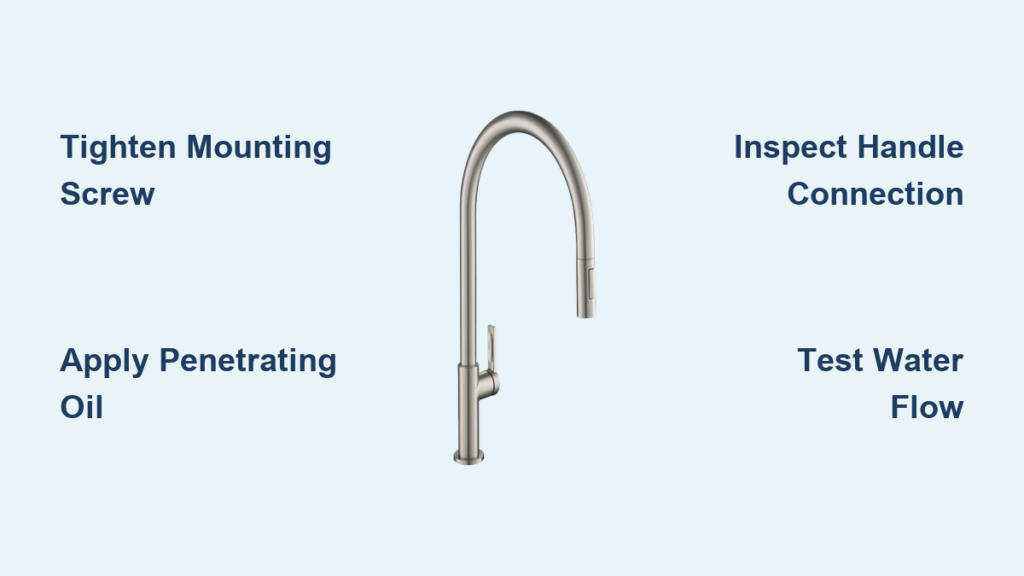
A broken kitchen faucet handle transforms a simple daily task into a major inconvenience. Whether you’re trying to fill a pot for cooking, rinse vegetables, or grab a glass of water, a malfunctioning handle disrupts your entire kitchen workflow. The good news is that most handle issues are surprisingly DIY-friendly, requiring only basic tools and minimal time investment. Before you call a plumber and spend hundreds of dollars unnecessarily, understanding the root cause of your faucet handle problem can save you significant money and restore your kitchen’s functionality quickly.
Kitchen faucet handles fail for several predictable reasons, ranging from loose mounting screws and worn decorative caps to damaged internal cartridges and corroded valve stems. The repair approach varies depending on your faucet type—compression, cartridge, ball, or ceramic disc—but the fundamental diagnostic process remains similar across most models. This guide walks you through identifying the specific problem, gathering the right tools, and executing the repair with confidence. By the end, you’ll know exactly how to fix a broken kitchen faucet handle and prevent the same issue from recurring in the future.
Diagnose the Specific Handle Malfunction
Before grabbing your tools, you need to pinpoint exactly what’s causing your faucet handle to malfunction. A loose handle that wobbles requires a different solution than one that won’t turn at all or spins freely without controlling water flow. Taking time to diagnose properly ensures you address the root cause rather than just the symptoms.
Loose or Wobbly Handle Requires Simple Tightening
A loose kitchen faucet handle is the most common problem homeowners face. Over time, the mounting screw securing the handle to the valve stem gradually loosens from regular use and vibration. When you operate the handle, you’ll feel excessive play or wobble, though the faucet may still function normally. This issue typically develops slowly over weeks or months as the screw vibration-loosens. The fix usually involves tightening the mounting screw, but you should inspect both the screw and handle for wear while you’re accessing it.
Handle Won’t Turn Indicates Internal Seizure
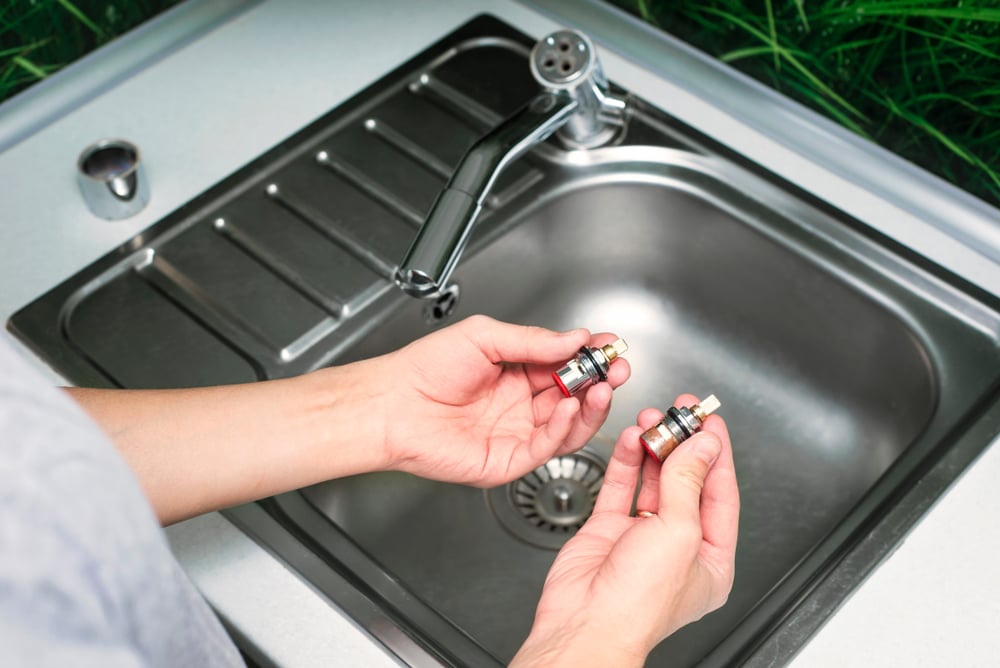
When your faucet handle refuses to turn or has become completely stuck, you’re dealing with a more serious internal problem. Mineral deposits, corrosion, or a damaged cartridge can seize the valve mechanism, preventing normal operation. Never force a stuck handle—this can cause additional damage to internal components. In most cases, this requires disassembly, thorough cleaning, and possibly replacing internal valve parts. This problem commonly occurs in areas with hard water due to mineral buildup inside the valve mechanism.
Handle Spins Freely Without Controlling Water Flow
If you turn your faucet handle and it spins completely around without any resistance or change in water flow, the handle has become disconnected from the valve stem entirely. This usually happens when the mounting screw fails completely or when the handle’s socket strips out from wear. The handle appears to function normally but simply doesn’t engage the valve mechanism. This repair requires either reattaching the handle with a new screw or replacing the handle entirely, depending on the extent of damage.
Gather the Right Tools Before Starting
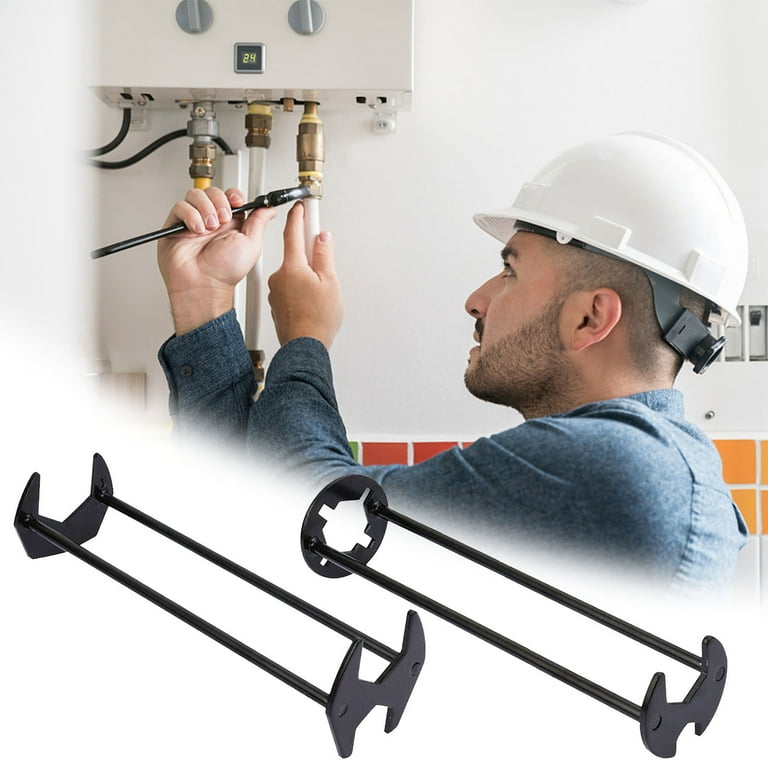
Having the proper tools ready before you begin prevents frustrating mid-repair trips to the hardware store and ensures a smoother repair process. Most kitchen faucet handle repairs require only basic household tools, though some specialized items make certain steps easier.
Essential Tools You’ll Need:
– Adjustable wrench or basin wrench for removing mounting nuts
– Phillips and flathead screwdrivers for handle screws and caps
– Needle-nose pliers for extracting small parts and clips
– Soft cloth or rag to protect your faucet’s finish
– Bucket and towels for catching residual water
– Flashlight for visibility under the sink
Helpful Additional Items:
– Allen wrench set for hex-headed mounting screws
– Penetrating oil like WD-40 for corroded or stuck parts
– Replacement parts kit matching your faucet model
– Hand mirror or phone camera for viewing hard-to-see areas
– Vinegar solution for dissolving mineral deposits
Before purchasing any replacement parts, identify your faucet’s brand and model number. Most manufacturers place this information on the faucet body, often on the underside or behind the spout. Take this information to a hardware store or search online for compatible replacement parts to ensure proper fit during installation.
Prepare Your Workspace Properly
Proper preparation prevents water damage and makes the repair process more efficient. Kitchen faucet repairs involve water supply lines that can drip, so taking precautions protects your cabinets and flooring while creating a better working environment.
Shut Off the Water Supply Completely:
Locate the shut-off valves beneath your sink and turn them clockwise to close both hot and cold water lines. These valves typically sit on the wall or cabinet floor behind the supply tubes connecting to your faucet. If your valves are old or difficult to turn, apply penetrating oil and let it sit for several minutes before attempting to close them. Always test that the water is truly off by opening the faucet after closing the valves—if water flows, the valves aren’t fully closed or need replacement.
Relieve Residual Pressure Safely:
After shutting off the water supply, open the faucet handle to release any remaining pressure in the lines. This prevents water from spraying unexpectedly when you disconnect supply tubes. Keep a bucket and towels nearby to catch any drips during the repair process. Removing the aerator before beginning work catches any debris that might dislodge during repair.
Tighten a Loose Faucet Handle in Minutes
Loose handle issues account for the majority of faucet handle problems and offer the simplest repair. This fix takes only minutes and requires minimal tools, making it an excellent starting point regardless of your faucet handle’s specific symptoms.
Locate and Access the Mounting Screw:
Most kitchen faucet handles secure with a screw hidden beneath a decorative cap. Look on the top or front of your handle for a small cap—it’s often colored to match the handle or made of matching metal. Use a flathead screwdriver or your fingernail to gently pry this cap away from the handle. Work slowly to avoid scratching the surrounding finish.
Tighten or Replace the Screw:
Once exposed, use an appropriate screwdriver to tighten the mounting screw firmly but not overtight. Turn clockwise until snug, then test the handle’s stability. If the screw turns freely without tightening, it’s likely stripped and requires replacement. Replace it with an identical screw from your faucet manufacturer.
Reassemble and Verify Repair:
After securing the screw, press the decorative cap back into place firmly. Test the handle through its full range of motion to ensure smooth operation without wobble. The handle should move smoothly and stop completely when released. If issues persist, the problem likely involves internal components rather than the mounting screw.
Remove a Stuck or Seized Handle Without Damage
Stuck handles require patience and careful technique to avoid causing additional damage. Mineral deposits and corrosion cause most sticking issues, particularly in areas with hard water. If the handle won’t budge with moderate force, don’t continue pushing—you risk breaking the handle.
Apply Penetrating Oil Strategically:
Spray penetrating oil around the base of the handle where it meets the faucet body, and directly onto the mounting screw if visible. Allow it to work for 15-30 minutes, occasionally reapplying. The oil seeps into corrosion and mineral deposits, breaking their bond. For severe cases, covering the area with a warm, wet cloth accelerates the oil’s penetration.
Work the Handle Gradually:
After allowing penetration time, attempt to move the handle through small ranges of motion rather than forcing it fully. Gently rock the handle back and forth, gradually increasing the movement range. This flexes corrosion loose without applying excessive stress. If the handle begins to move, continue working it through complete cycles until movement becomes smooth.
Repair a Spinning Handle That Won’t Control Water

A handle that spins without controlling water flow has lost its connection to the valve mechanism. This typically occurs when the mounting screw fails completely, allowing the handle to rotate independently.
Inspect the Connection Point Thoroughly:
Remove the decorative cap and mounting screw to examine the interface between the handle and valve stem. Look for splined or notched sections that should engage. If the screw is missing, check if it fell inside the handle or into the cabinet below. If the stem’s engagement features are worn or damaged, the handle won’t grip properly.
Replace or Reattach the Handle Correctly:
If the mounting screw simply fell out or broke, reinstalling a new screw often solves the problem. Ensure the screw threads match and tighten fully into the valve stem. If the handle socket or stem engagement is stripped, you’ll need to replace either the handle or the entire faucet, depending on the damage extent and your faucet’s age.
Perform Final Testing After Repair
After completing repairs, thorough testing ensures everything functions properly before considering the job finished. Rushing this step often leads to discovering problems after reassembling everything.
Restore Water Gradually:
Turn the shut-off valves counterclockwise slowly to restore water pressure. Opening valves fully immediately can cause damaging water hammer. Watch all connections for leaks as pressure builds. Open the faucet slowly to flush any debris, letting water run for several minutes to clear the lines.
Test All Functions Completely:
Operate the handle through complete hot and cold cycles, checking for smooth movement without binding. Adjust between hot and cold to ensure proper mix control. Run water at various flow rates to verify consistent operation. Check beneath the sink for any drips or moisture at connection points.
Maintain Your Faucet to Prevent Future Handle Problems
Regular maintenance extends your faucet’s lifespan and prevents handle problems before they develop. Simple monthly habits keep components functioning smoothly and catch minor issues early.
Monthly Cleaning Routine:
Clean your faucet with mild soap and water, avoiding abrasive cleaners. Pay attention to the base of the handle where mineral deposits accumulate. Wipe the handle dry after use to prevent water spots. Clean the aerator by unscrewing it and rinsing debris away.
Quarterly Inspection:
Check for loose screws or wobbly handles monthly and tighten before they cause problems. Inspect supply line connections for signs of corrosion. Test shut-off valves to ensure they operate freely—you don’t want to discover they’re stuck when you need to stop a leak quickly.
Fixing a broken kitchen faucet handle is a manageable DIY project that saves money and restores your kitchen’s functionality. Most issues resolve with simple tightening or basic component replacement, requiring only common tools and minimal time. By understanding your faucet’s design, diagnosing the specific problem correctly, and following proper repair techniques, you can complete most handle repairs successfully without professional help. Regular maintenance prevents recurrence and extends your faucet’s service life, making the initial repair investment worthwhile for years of reliable operation.