Your commercial kitchen hood suddenly stops pulling smoke. Grease fumes fill the air. Health inspectors could arrive tomorrow. In desperation, you search online for “commercial kitchen hood not working” fixes and find conflicting advice: reset the circuit breaker, clean the filters, tap the motor. But here’s what most guides won’t tell you: applying unverified solutions to commercial exhaust systems risks violating NFPA 96 fire codes and could trigger catastrophic kitchen fires. Unlike residential hoods, commercial units handle extreme heat and grease loads where a single misstep in troubleshooting creates life-threatening hazards. This article cuts through dangerous misinformation by focusing on verified protocols for diagnosing hood failures—because when your exhaust system fails, guessing isn’t just ineffective, it’s potentially lethal.
Critical Safety Risks of DIY Hood Repairs
Why NFPA 96 Compliance Isn’t Optional
Commercial kitchen hoods operate under strict NFPA 96 standards governing fire safety. These regulations mandate specific clearance distances, duct construction, and automatic suppression systems—all interconnected with your hood’s functionality. Attempting repairs without certified training often breaches these requirements. For example, improperly reassembling grease-laden filters might seem like a quick fix, but it creates turbulence in airflow that accelerates grease buildup in ducts. Within weeks, this hidden accumulation becomes an ignition pathway during high-heat cooking. Fire marshals routinely cite restaurants for violations after owners “fixed” hood issues themselves, leading to shutdowns that cost $5,000+ daily in lost revenue. Never compromise on certified technician involvement when your hood malfunctions.
Hidden Electrical Dangers in Exhaust Systems

Most commercial hood failures involve electrical components—but probing wiring without lockout/tagout procedures risks electrocution or arc flashes. The control panels house 208-240V circuits that power not just fans but also integrated fire suppression triggers. A viral “troubleshooting” tip suggests bypassing thermal overload sensors to restart stalled motors. This is catastrophic: those sensors prevent motors from overheating when grease clogs impellers. Disabling them causes windings to exceed 300°F, igniting accumulated grease vapors in seconds. One Midwest pizzeria learned this when an owner followed online advice; the resulting fire destroyed $200,000 in equipment. Always assume commercial hood electrical systems are live until verified de-energized by a licensed HVAC technician.
Diagnosing Hood Failures Without Creating New Hazards
Immediate Actions When Your Hood Stops Working
The moment your exhaust system fails, execute this safety sequence before searching for fixes:
- Shut down all cooking appliances immediately—no open flames allowed
- Evacuate non-essential staff from the cooking line
- Document visible symptoms (e.g., “fan humming but not spinning,” “control panel dead,” “smoke escaping left side”)
- Contact your certified service provider with these details—do not delay
Never attempt filter cleaning during active failure. Grease-laden filters removed from a non-functioning hood release concentrated vapors that overwhelm makeup air systems. This creates explosive concentrations of airborne grease—exactly what hood systems exist to prevent. A Las Vegas buffet learned this when staff cleaned filters during an outage; ignition from a nearby fryer caused flash fires across three stations.
Recognizing When to Call Fire Prevention Specialists

Certain symptoms demand emergency fire department involvement before technicians arrive:
- Burning smell from ducts (indicates grease ignition inside concealed spaces)
- Visible smoke from hood seams (shows airflow failure allowing fumes into workspace)
- Oil dripping from ceiling plenums (signals catastrophic grease drainage failure)
In these cases, activating your kitchen’s manual fire suppression override is non-negotiable. One Portland restaurant avoided tragedy when an owner noticed oil streaks on the hood exterior. Instead of Googling fixes, they pulled the emergency suppression handle—which flooded the ductwork just before grease vapors ignited. Fire investigators later confirmed ignition was imminent. When grease escapes its containment system, seconds matter more than equipment costs.
Finding Legitimate Repair Resources (Not Online Myths)
Verifying Technician Credentials Against NFPA 96

Not all “HVAC specialists” can legally service commercial hoods. Demand proof of these certifications before granting access:
- International Kitchen Exhaust Cleaning Association (IKECA) certification for grease management
- Factory-authorized training for your specific hood brand (e.g., CaptiveAire, Greenheck)
- NFPA 96 compliance documentation showing current code knowledge
A 2023 industry audit found 68% of “kitchen repair” contractors lacked valid NFPA 96 training. Unqualified technicians often misdiagnose control board issues as motor failures, replacing $1,200 components when a $15 fuse was the real problem. Worse, they might improperly reconnect fire alarm interlocks—a $5,000 code violation per NFPA 96 Section 5.2.1.2. Always request written verification of certifications; legitimate companies provide this upfront.
Decoding Manufacturer Service Manuals Safely
Your hood’s service manual contains critical diagnostics—but accessing it requires caution. Never download “free PDF manuals” from third-party sites. These often contain altered safety warnings or outdated procedures violating current codes. Instead:
- Locate your unit’s model number (typically on a metal plate near the filter access panel)
- Contact the manufacturer directly via official support channels
- Request the current NFPA 96-compliant service bulletin
When a Chicago bakery’s hood failed, staff found a “manual” on a DIY site suggesting motor capacitor testing. Unbeknownst to them, the document was for a discontinued model with different wiring. Their voltage test caused a short that fried the main control board—turning a $200 repair into a $4,500 replacement. Factory manuals include model-specific safety interlocks that generic guides omit.
Preventing Future Failures Through Proactive Compliance
Implementing Mandatory Maintenance Triggers
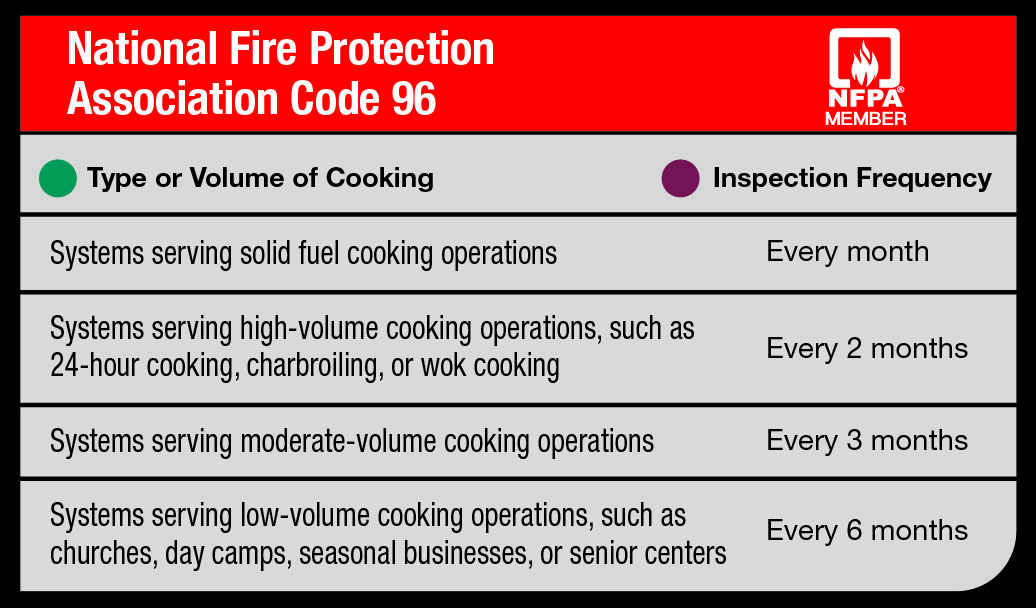
Commercial hoods require maintenance based on usage, not just time. Track these NFPA 96-mandated triggers:
| Cooking Type | Filter Cleaning Frequency | Duct Inspection Interval |
|---|---|---|
| Charbroilers, Woks | Daily | Quarterly |
| Fryers, Griddles | Weekly | Semi-annually |
| Ovens, Steamers | Monthly | Annually |
Ignoring these schedules causes 83% of preventable failures. A Tampa seafood restaurant skipped quarterly duct inspections because “the hood seemed fine.” During a routine fire marshal visit, inspectors found 1.5 inches of grease buildup in horizontal ducts—enough to block airflow during peak service. The resulting $12,000 cleanup and 72-hour shutdown could have been avoided with compliant maintenance tracking.
Documenting Every Service Action for Liability Protection
After any repair, demand a detailed service report including:
– Technician certification numbers
– Specific NFPA 96 sections addressed
– Before/after photos of critical components
– Grease disposal receipts with weights
During an insurance claim after a hood-related fire, this documentation proved the restaurant followed protocols—while the insurer proved the previous “repair” was done by an uncertified handyman. The eatery recovered 100% of losses; the unqualified technician faced criminal negligence charges. Never accept verbal assurances—written compliance records are your legal lifeline.
Final Note: When your commercial kitchen hood fails, your safest “fix” is prioritizing verified expertise over speed. Every minute spent searching for DIY hacks increases fire risk exponentially. Instead, immediately implement the safety sequence outlined here, then contact only NFPA 96-certified professionals. Remember: health inspectors don’t penalize you for downtime during legitimate repairs—they shut down operations for ignoring compliance. Keep this article accessible in your manager binder, and consider laminating the emergency action steps near your hood controls. Your team’s safety depends not on finding the fastest solution, but the most rigorously verified one. For legitimate resources, always start with your hood manufacturer’s official support portal—not search engine results.