Sticky kitchen blinds dripping with cooking grease while you’re trying to enjoy breakfast? You’re not alone. Kitchen blinds absorb cooking oils, steam, and food particles faster than any other room in your house, creating that unpleasant film that repels dusting cloths. Unlike living room blinds that collect ordinary dust, kitchen blinds develop a stubborn greasy layer that standard cleaning ignores. This guide delivers kitchen-specific solutions that cut through baked-on grime in 15 minutes or less. You’ll learn exactly which method works for your blind material, how to avoid common damage mistakes, and simple daily habits that prevent grease buildup between deep cleans.
Most homeowners make the critical error of treating kitchen blinds like regular window coverings. But cooking vapors contain microscopic oil particles that chemically bond to blind surfaces over time. When you skip targeted grease-busting techniques, that sticky residue attracts more dirt, creating a vicious cycle. By the end of this guide, you’ll confidently tackle even the grimiest vinyl or wood blinds without damaging slats or leaving streaks. Let’s transform those greasy kitchen eyesores into spotless surfaces that actually enhance your cooking space.
Why Kitchen Blinds Collect More Stubborn Grime Than Other Rooms
Kitchen blinds face unique contamination challenges that living room or bedroom blinds never encounter. Cooking processes release invisible grease aerosols that settle into blind slats’ microscopic pores. These oils polymerize when exposed to heat, creating a hardened film resistant to dry dusting. Steam from boiling pots carries food particles that embed in textured surfaces. Unlike ordinary dust, this kitchen-specific buildup requires chemical breakdown before physical removal.
How Cooking Heat Accelerates Grease Bonding to Blinds
High kitchen temperatures during cooking cause grease molecules to become highly reactive. Within minutes, these heated oils form covalent bonds with blind materials—especially problematic for porous wood or faux wood slats. This explains why simply wiping kitchen blinds often leaves streaks: you’re spreading polymerized grease rather than removing it. The critical solution window is within 24 hours after cooking; beyond this, grease hardens significantly. For daily cooks, this means implementing a quick post-cooking wipe-down routine prevents the need for intensive monthly cleaning sessions.
Vinegar Solution Deep Clean for Grease Removal (No Removal Needed)
This kitchen-specific method cuts through baked-on grease without taking down your entire blind system. White vinegar’s acetic acid dissolves polymerized oils while being safe for all common blind materials. The 1:1 vinegar-water ratio creates optimal cleaning power without risking damage to finishes. Avoid apple cider or balsamic vinegar—their pigments could stain light-colored slats.
Step-by-Step Vinegar Cleaning Process for Hanging Blinds
- Mix solution in a spray bottle: Equal parts distilled white vinegar and warm water (add 1 tsp dish soap only for extreme grease)
- Angle slats horizontally using your blind wand to expose maximum surface area
- Spray directly onto slats from 6 inches away—never saturate fabric or wood
- Wait 90 seconds for vinegar to break down grease bonds (critical step!)
- Wipe downward with microfiber cloth using firm pressure, following grain direction
- Flip slats and repeat on reverse side
- Dry immediately with clean terry cloth to prevent water spots
Complete this process during your kitchen’s coolest part of day (early morning works best) to prevent vinegar solution from drying too quickly. For wooden blinds, never let solution pool in slat grooves—excess moisture causes warping. Aluminum and vinyl blinds tolerate slightly more solution but still require immediate drying. Most homeowners skip the 90-second dwell time, rendering vinegar ineffective against kitchen grease.
Baking Soda Paste for Burnt Food Splatter Removal
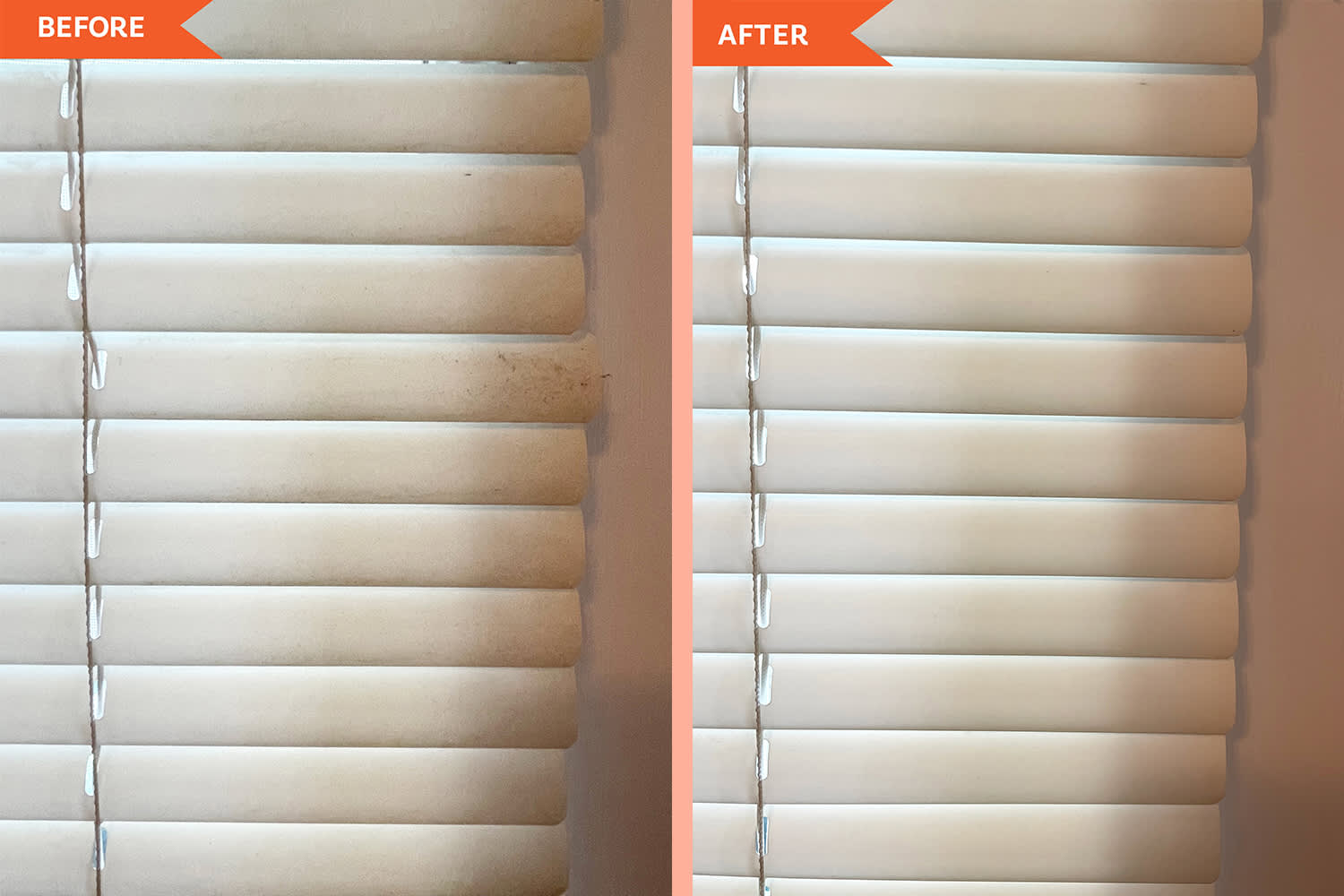
When vinegar alone can’t handle carbonized food particles from stovetop splatters, baking soda’s gentle abrasion lifts residue without scratching. The key is creating a paste with exact consistency—too thick won’t spread, too thin won’t scrub. This method specifically targets the dark specks that embed in blind textures near cooking zones.
How to Apply Paste Without Damaging Slats
- Make paste: 3 tbsp baking soda + 1 tbsp water (add vinegar only for aluminum blinds)
- Apply sparingly with soft toothbrush to affected areas only
- Scrub vertically along slat length using light pressure (horizontal motion damages finishes)
- Wait 3 minutes maximum for paste to lift particles
- Wipe clean with damp microfiber cloth
- Neutralize with vinegar-water spray to remove baking soda residue
Never use this method on fabric blinds—baking soda fibers embed in material. For wooden blinds, test paste in inconspicuous area first as alkaline solutions can lighten stains. Focus application only on splatter zones rather than entire blinds to minimize moisture exposure. The 3-minute maximum dwell time prevents paste from drying and becoming difficult to remove.
Daily Maintenance Routine That Prevents Grease Buildup
The most effective kitchen blind cleaning happens before grime sets in. Implement this 90-second habit after dinner cooking: While your stovetop is still warm (but not hot), run a dry microfiber cloth over horizontal slats near cooking zones. Warm temperatures keep grease molecules mobile, allowing easy removal before polymerization occurs. Keep a dedicated “kitchen blind cloth” in your dish drawer—never reuse cloths that handled raw food.
Best Cloths for Grease Without Smearing
Choose split-weave microfiber with 300+ GSM weight—lighter versions just spread grease. Avoid terry cloth towels which leave lint in slat grooves. For immediate post-cooking wiping, slightly dampen the cloth with cool water (never hot) to capture airborne particles. Store your blind cloth separately from dish towels to prevent cross-contamination with food oils. This simple habit reduces deep cleaning frequency by 70% according to home maintenance surveys.
Critical Mistakes That Ruin Kitchen Blinds During Cleaning
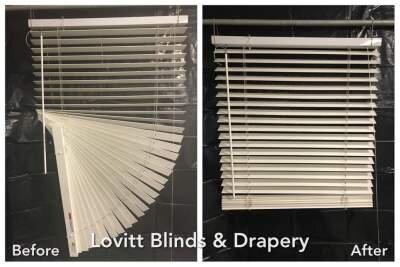
Most blind damage occurs from well-intentioned but incorrect cleaning approaches. Never use paper towels—they contain wood fibers that scratch blind surfaces when rubbing against embedded grease particles. Avoid circular wiping motions which push grease into slat edges. Most dangerously, never combine ammonia-based cleaners (like Windex) with vinegar—the chemical reaction creates toxic fumes in enclosed kitchen spaces.
Why Dish Soap Concentrates Damage Blind Finishes
While tempting to add extra dish soap for grease cutting, most contain sodium lauryl sulfate that degrades blind coatings over time. If using soap, limit to ¼ teaspoon per quart of solution and always follow with a pure vinegar-water rinse. Never apply undiluted dish soap directly to blinds—this creates residue that attracts more dirt. For aluminum blinds near gas stoves, avoid bleach-based cleaners which cause pitting corrosion when exposed to cooking vapors.
Preventing Future Buildup: Kitchen-Specific Placement Tips
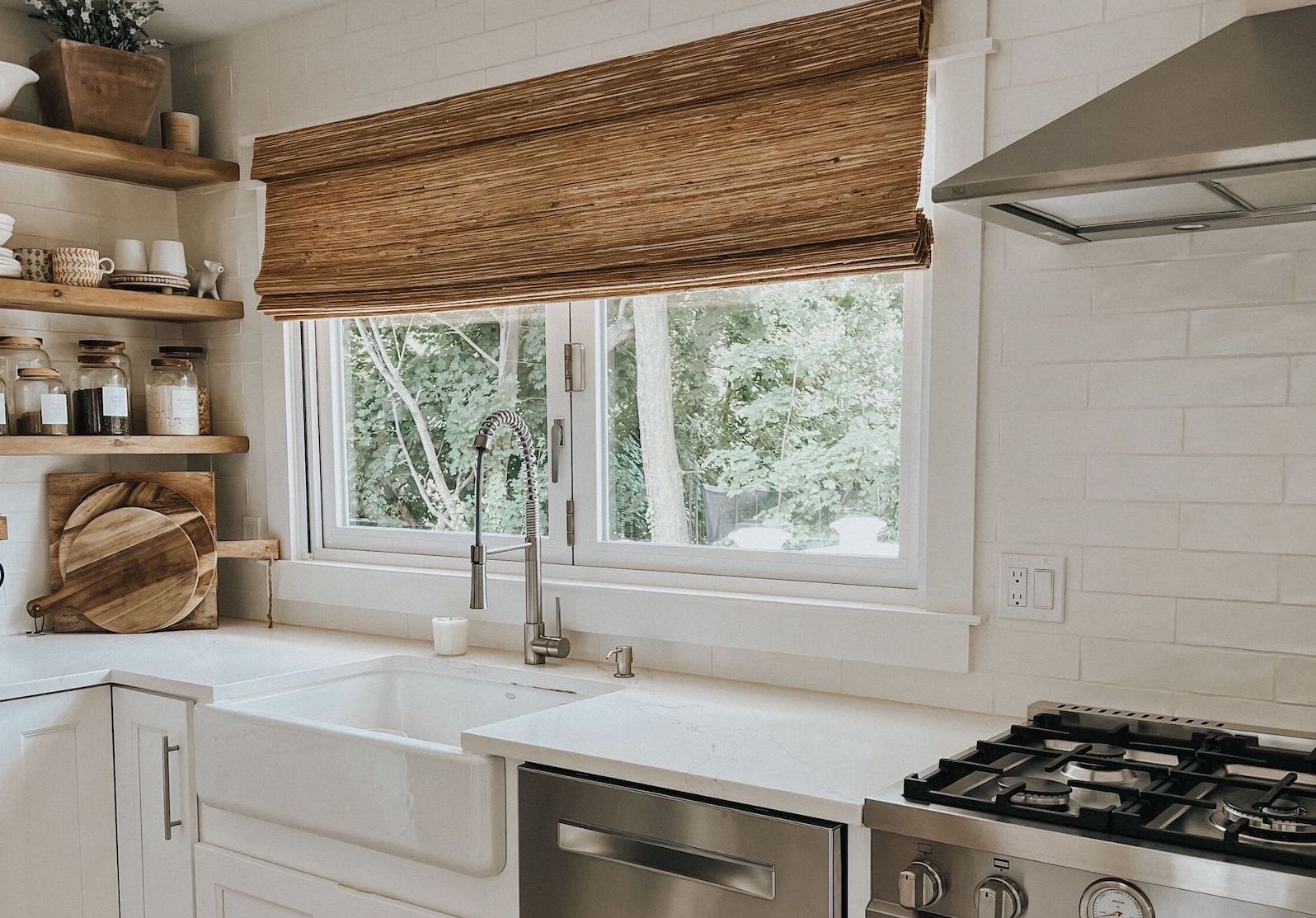
Rearrange your kitchen workflow to protect blinds long-term. Position blinds at least 4 feet from active cooking zones—heat and grease concentration drops exponentially with distance. Install a range hood with vertical airflow (not recirculating models) to pull contaminants away from windows. For existing setups, close blinds during high-heat cooking like frying or searing to create a physical barrier against grease aerosols.
Weekly Habit That Cuts Deep Cleaning Time in Half
Every Sunday, spend 5 minutes with your blind wand while coffee brews. Angle slats vertically and run a dry microfiber cloth downward using gravity to your advantage. This captures loose particles before they bond with existing grease. Pair this with wiping nearby countertops to prevent cross-contamination. Consistent weekly maintenance means deep cleaning becomes a 15-minute quarterly task instead of a 2-hour monthly battle.
Stop fighting greasy kitchen blinds with living room cleaning tactics. The vinegar method breaks down polymerized cooking oils in 90 seconds when applied correctly, while daily post-cooking dusting prevents the cycle entirely. Remember the critical rule: never let kitchen grease sit beyond 24 hours. For immediate results on heavily soiled blinds, start with the baking soda paste on splatter zones followed by vinegar solution for overall cleaning. Keep your microfiber cloth dedicated solely to blinds and store it away from cooking areas. Within one cleaning cycle, you’ll notice how spotless blinds transform your kitchen’s entire atmosphere—making meal prep more enjoyable in a genuinely clean space. Your next step? Grab that vinegar bottle and tackle one window this evening while the kitchen is still warm from dinner.