Nothing disrupts kitchen efficiency like a drawer that’s jumped its tracks, leaving you struggling to access utensils or spices. This common household frustration typically stems from worn rollers, misaligned tracks, or simple debris accumulation—and the good news is that most derailments can be fixed without professional help. Whether your kitchen drawer has partially slipped off one side or completely derailed during use, understanding the underlying mechanisms and following a systematic repair approach will restore smooth operation. In this guide, you’ll learn exactly how to put a kitchen drawer back on track using proven techniques that address the root cause rather than just the symptoms.
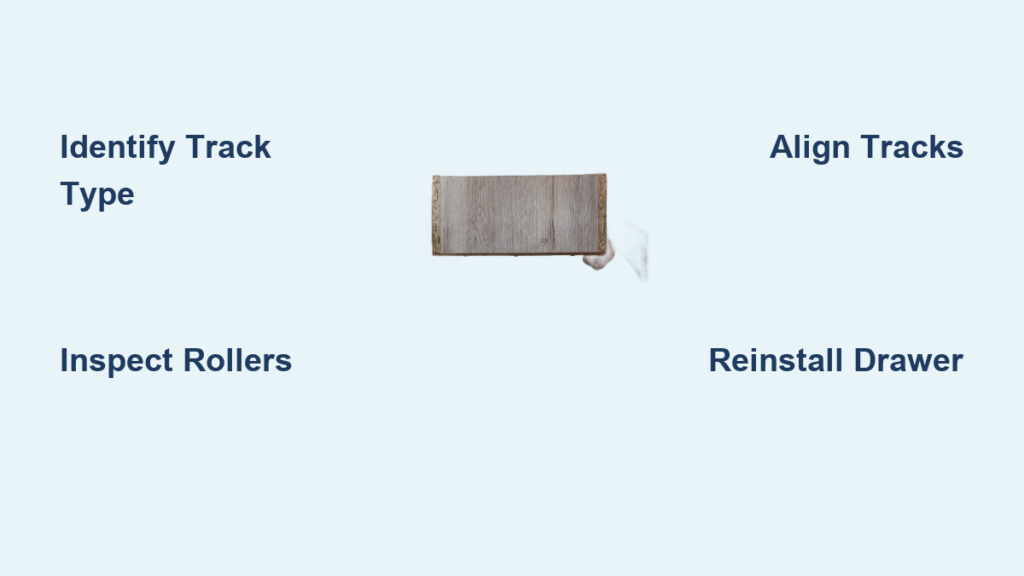
Identify Your Drawer Track System Type
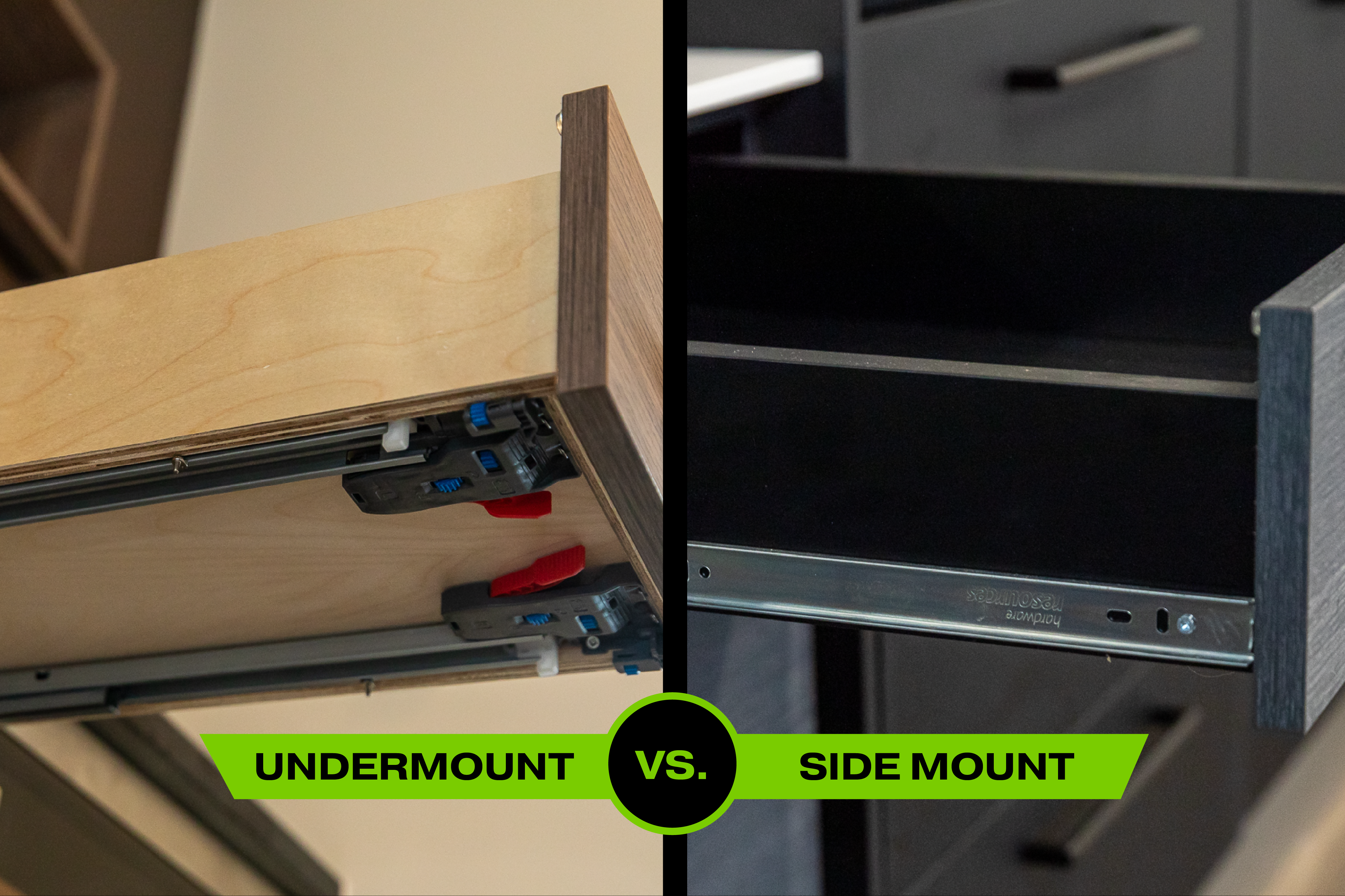
Before attempting repairs, you must identify which track system your kitchen drawer uses. Different mechanisms require specific approaches, and using the wrong technique can cause additional damage.
Side-Mount Track Characteristics
Side-mount tracks run along both sides of the drawer with visible hardware extending from the cabinet. These robust systems typically support 75-100 pounds and feature ball-bearing rollers that allow smooth movement. When your drawer slides out, you’ll see metal rails attached to the cabinet walls and matching components secured to the drawer sides. This configuration appears in most contemporary cabinetry installations.
Under-Mount Track Identification
Under-mount tracks attach beneath the drawer box, creating a clean appearance with no visible hardware. These sophisticated systems often include soft-close technology and are standard in higher-end kitchens. The drawer appears to float within the cabinet opening, with release mechanisms typically located near the track interfaces. These tracks generally handle 50-75 pounds and require precise alignment during repair.
Center-Mount Track Recognition
Center-mount tracks consist of a single rail running along the bottom center of the drawer. This older design appears in vintage cabinets and some budget installations. The drawer lifts straight up off the track once front retaining clips are removed, and these systems typically support lighter loads of 25-50 pounds. Look for a single track running down the center rather than dual side tracks.
Why Kitchen Drawers Jump Their Tracks
Understanding the root causes of derailment helps you address the underlying problem rather than just treating symptoms.
Worn or Damaged Roller Mechanisms
The ball bearings or wheel assemblies that enable smooth drawer movement degrade through continuous use. Roller bearings crack, flatten, or seize up, causing grinding noises and jerky movement that eventually leads to complete disengagement. Inspect rollers for visible damage or rough rotation—this accounts for most derailment cases.
Loose or Missing Mounting Hardware
Vibration from regular use gradually loosens track fasteners over months and years. Missing screws create unstable mounting points that compound the problem. This issue frequently affects older installations where original screws have never been tightened or replaced.
Bent Tracks from Overloading or Impact
Heavy items shifting suddenly within a drawer can bend metal tracks, while plastic components crack from age or temperature changes. Even minor bends prevent proper roller engagement throughout the drawer’s travel range, causing binding and eventual derailment.
Essential Tools for Drawer Track Repair

Having the right tools available before starting repairs improves efficiency and outcomes significantly.
Basic Repair Toolkit
Screwdriver set with Phillips head, flathead, and Robertson (square) drivers accommodates various screws in different track systems. A cordless drill with screwdriver bits speeds larger jobs but requires careful control to avoid over-tightening.
Adjustable pliers and needle-nose pliers grip small components, remove retaining clips, and manipulate hardware in tight cabinet spaces. These tools prove essential for extracting damaged rollers.
Level and carpenter’s square ensure proper track alignment during reinstallation. Even small alignment errors cause operational problems, making these precision tools invaluable.
Safely Removing a Derailed Drawer
Proper removal technique prevents additional damage and sets the stage for effective repair.
Side-Mount Drawer Removal Process
Locate the release levers or catches at the back of each track assembly. These small plastic or metal tabs, when pressed or lifted, allow the drawer to disengage. With releases activated, lift the drawer slightly and pull it straight out from the cabinet. Some systems require simultaneous activation of both sides.
Under-Mount System Release Techniques
Look for release mechanisms near the cabinet-mounted track interface. These may involve lever-style releases, pull-tabs on nylon cables, or rotate-and-lift mechanisms depending on the manufacturer. Blum, Grass, and Hafele systems each use distinctive release designs.
Thorough Inspection of Track Components
A comprehensive inspection identifies all issues requiring attention before reassembly.
Cleaning Track Channels
Remove accumulated dust, food particles, and residue with a dry cloth first, then follow with a slightly damp cloth for sticky deposits. Compressed air clears debris from roller housings and track crevices that cloths cannot reach.
Roller Condition Assessment
Examine each roller for visible wear, damage, or smooth rotation capability. Functional rollers spin freely without wobble or grinding sensation. Press rollers from side to side to check for excessive play indicating bearing wear.
Repairing or Replacing Damaged Rollers
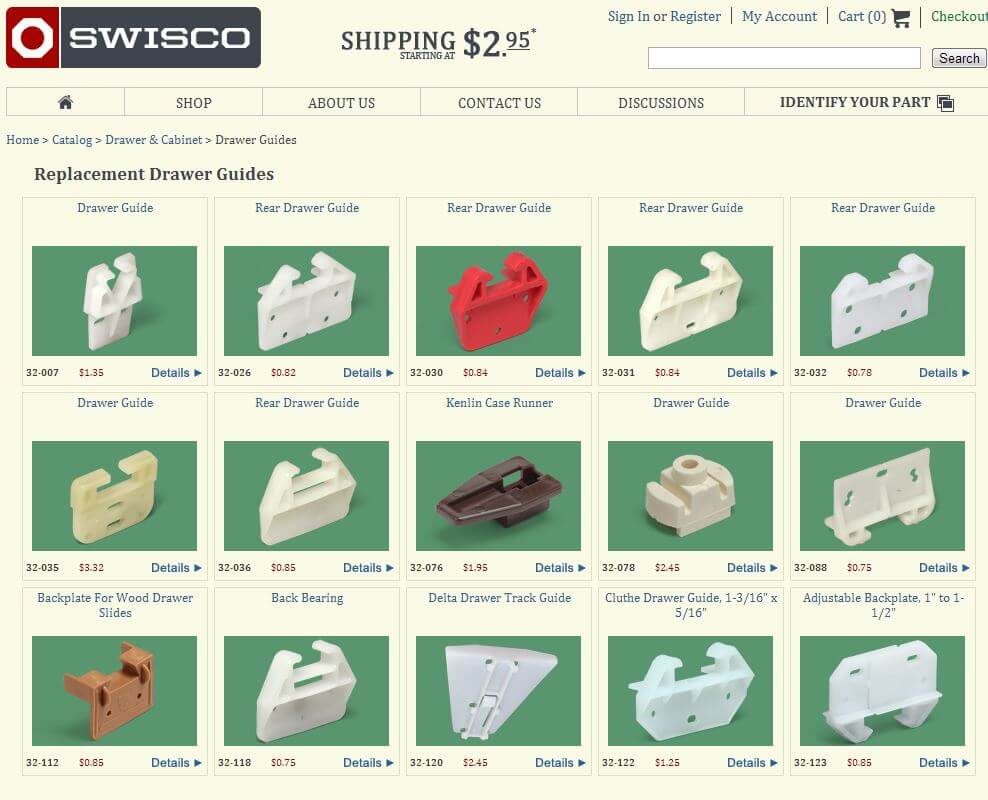
When roller inspection reveals damage, replacement typically proves more effective than attempting repair.
Roller Replacement Procedure
Identify your roller type before purchasing replacements. Side-mount systems use either fixed-position rollers on the track or drawer-mounted rollers that ride within the channel. Under-mount systems feature integrated roller assemblies.
Remove old roller assemblies by extracting mounting screws while noting the position of any spacers or washers. Install new rollers using original mounting points with proper alignment and tight (but not over-tightened) fasteners.
Proper Track Realignment Techniques
Track realignment often resolves derailment issues without requiring part replacement.
Correcting Bent Tracks
Mark current track positions with a pencil before loosening mounting screws. Remove tracks for realignment by extracting all mounting screws and carefully extracting the assembly. Straighten minor bends in metal tracks using adjustable pliers, working from the center outward with small adjustments.
Precision Track Reinstallation
Reinstall tracks with proper alignment by positioning at the correct height relative to adjacent drawers. Use a level to ensure horizontal alignment across the full track length. Insert mounting screws loosely, verify alignment, then tighten progressively in an alternating pattern.
Reinstalling Your Drawer Correctly
With tracks repaired and aligned, reinstall the drawer using the reverse of your removal procedure.
Drawer Engagement Process
Position the drawer by aligning the drawer box with track entry points, ensuring both sides sit at correct angles. Engage the mechanism by pushing the drawer straight into the cabinet with steady, even pressure. Listen for clicking sounds indicating proper engagement of retention mechanisms.
Testing Drawer Operation
Operate through several complete cycles to verify smooth movement. Check for binding, unusual noises, or uneven movement that might indicate remaining alignment issues. Make minor track adjustments as needed using adjustment mechanisms built into most modern track systems.
Fine-Tuning Drawer Position and Movement
Modern track systems include adjustment capabilities that perfect drawer positioning after reinstallation.
Height Adjustment Methods
Locate adjustment screws on drawer-mounted track members—typically accessible with the drawer partially extended. Turning screws clockwise raises the drawer side; counterclockwise lowers it. Make identical adjustments to both sides to maintain level positioning.
Lateral Alignment Correction
Shift drawers left or right within cabinet openings to maintain consistent reveal gaps between adjacent drawer fronts. This capability proves especially valuable in frameless cabinetry where consistent spacing matters visually. Adjustment mechanisms move tracks within elongated mounting slots.
Troubleshooting Common Post-Repair Issues
Even after proper repair, some situations require additional diagnosis or alternative approaches.
Persistent Binding or Sticking
Remove the drawer again and examine the full track length for debris or damage. Verify track straightness using a level and inspect roller operation for binding. Measure diagonal distances to identify warped drawer boxes causing uneven movement.
Sagging When Fully Extended
Ensure rollers seat properly in track channels and mount securely to drawer sides. Examine tracks for visible sagging between mounting points—severe deflection requires track replacement. Redistribute heavy items to reduce peak loads exceeding track capacity.
Preventive Maintenance for Long-Lasting Operation
Regular maintenance prevents derailment and extends track system lifespan significantly.
Monthly Quick Checks
Visually inspect tracks with drawers fully extended for debris, damage, or loose mounting screws. Operate each drawer through complete cycles, noting any changes in smoothness or noise that might indicate developing problems.
Proper Loading Practices
Distribute weight evenly with heavy items near the drawer bottom and centered load. Stay within manufacturer-specified weight limits that account for dynamic forces during operation. Close drawers gently rather than allowing them to slam, preventing impact stress on tracks.
When to Call a Professional Instead
Some situations exceed DIY capabilities or present risks warranting professional intervention.
Complex System Limitations
Soft-close mechanism repairs involving hydraulic or spring-loaded components often require professional expertise. Structural cabinet damage causing repeated derailment problems needs professional assessment. Safety concerns around heavy drawers that could fall justify professional intervention.
A kitchen drawer that has come off its tracks disrupts household routines but rarely requires expensive professional intervention. By understanding your track system type, identifying the underlying cause of derailment, and following systematic repair procedures, most homeowners can successfully put a kitchen drawer back on track. The key lies in thorough diagnosis before replacement, proper track alignment during reinstallation, and regular maintenance that catches developing problems before they cause failure. With the right tools, patient approach, and attention to detail, you can restore smooth drawer operation and prevent future derailments. Remember that consistent preventive maintenance extends the life of your kitchen drawers significantly—addressing minor issues before they become major problems keeps your kitchen functioning efficiently for years to come.