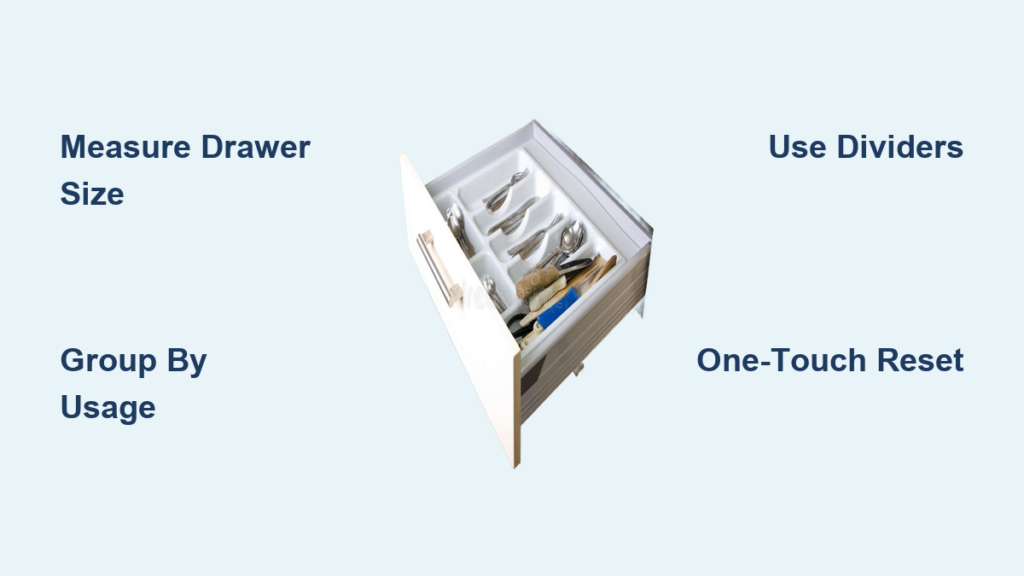
Your kitchen drawers are probably overflowing with utensils, tools, and gadgets fighting for space. Every time you reach for a spatula, you end up dumping half the drawer contents on the counter. You’re not alone—most homeowners struggle with inefficient kitchen drawer layouts that waste time and create daily frustration. The good news is that with a thoughtful approach to arranging kitchen drawers, you can transform chaotic storage into a streamlined system that makes cooking more enjoyable. This guide reveals practical methods to organize your kitchen drawers based on actual kitchen workflow patterns, helping you create a space where everything has its place and you can find what you need in seconds.
Assess Your Current Drawer Chaos Before Making Changes
Before rearranging anything, you need to understand exactly what you’re working with and how you actually use your kitchen. Most people skip this critical step and end up with organization systems that look nice but fail in daily use.
Empty Everything and Categorize Your Kitchen Tools
Start by completely emptying each drawer onto a clean surface like your kitchen table or island. Group similar items together—spatulas with spatulas, whisks with whisks, and so on. This visual inventory reveals surprising insights: you might discover three identical cheese graters or realize you’ve been storing that avocado slicer you’ve never used. As you sort, be ruthless—discard broken items, donate duplicates, and remove anything you haven’t used in the past year. The less you have, the easier it becomes to create an efficient system.
Identify Your Most Frequently Used Kitchen Tools
Pay special attention to which tools you reach for daily versus those reserved for special occasions. Your everyday cooking tools deserve prime real estate in the most accessible drawers, while specialty items can go in harder-to-reach spaces. Track your usage for a few days if needed—notice which utensils you grab instinctively when making your morning coffee or preparing dinner. This usage pattern should directly inform where you place items in your reorganized drawers.
Design Your Drawer Layout Based on Cooking Workflow
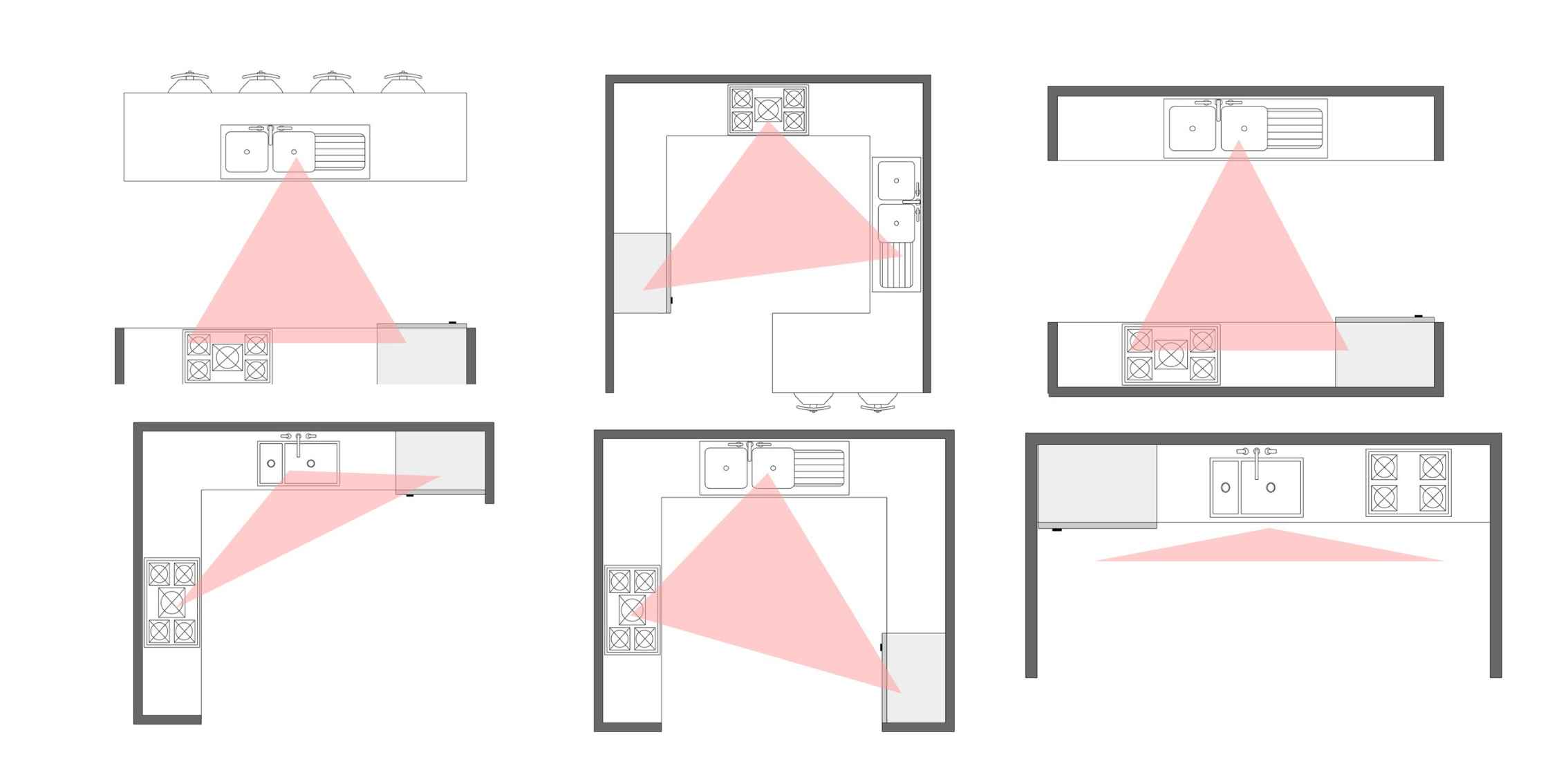
The most effective kitchen drawer organization follows your natural cooking movements rather than arbitrary categories. Tools should be arranged in the sequence you use them during meal preparation.
Position Utensils According to Cooking Sequence
Place your most frequently used cooking tools in the drawer closest to your stove, arranged in the order you typically use them. For example: tongs near the front (first used for searing), followed by spatulas (for flipping), then whisks (for sauces). This “cooking sequence” arrangement eliminates wasted movement during meal prep. Keep measuring tools in a separate drawer near your prep area but away from heat sources, with spoons and cups grouped together for quick grabbing.
Create Dedicated Zones for Specific Kitchen Tasks
Divide larger drawers into functional zones rather than mixing all utensils together. One section could hold all baking tools (pastry brushes, icing tips, rolling pins), while another contains salad preparation items (tongs, serving forks, vegetable peelers). Use adjustable dividers to create these zones, allowing you to modify the layout as your cooking habits change. For deep drawers, consider stacking zones vertically with shelf organizers—top layer for frequently used items, bottom for heavier tools you access less often.
Select the Right Organizers for Your Specific Drawer Dimensions

Generic drawer organizers often waste valuable space by not matching your drawer’s exact dimensions. Customizing your storage solutions to fit perfectly makes every inch count.
Measure Twice, Purchase Organizers Once
Before buying any organizers, measure your drawer’s interior width, depth, and height with a tape measure. Note any obstructions like drawer slides or底部 hardware. Standard kitchen drawers typically range from 14-24 inches wide, but your specific dimensions may vary. Bring these measurements when shopping for organizers—many companies offer customizable options that fit your exact space rather than forcing you to adapt to their standard sizes.
Choose Material and Style Based on Drawer Contents
Select organizer materials based on what they’ll hold: bamboo or wood works well for lightweight utensils but may warp under heavy cast iron tools; stainless steel handles weight better but can scratch delicate items. For drawers holding sharp knives, choose organizers with protective slots that keep blades secure. If storing small items like bottle openers or peelers, opt for organizers with multiple small compartments rather than one large tray. Always test organizers in your empty drawer before fully loading them to ensure smooth operation.
Implement the “One-Touch” Rule for Sustainable Organization
The most beautifully organized drawer fails if it’s not practical for daily use. The “one-touch” rule ensures your system remains functional long after the initial setup.
Store Items Where You Actually Use Them
Stop storing items based on what “category” they belong to and instead place them where you use them. Keep garlic presses with your cutting boards, not with other small appliances. Store oven mitts in the drawer next to your oven, not with baking tools. This approach might seem counterintuitive at first, but it eliminates the frustrating hunt for items during cooking. If you find yourself regularly moving between drawers for related tasks, reorganize to keep those items together.
Leave Room for Growth and Change
Resist the temptation to fill every inch of space—leave 15-20% of your drawer empty for new tools you might acquire or seasonal items. As your cooking habits evolve (maybe you start baking more during holidays), your drawer organization should adapt. Every three months, do a quick assessment: are you consistently bypassing certain organizers? Are some sections always empty? Adjust your layout before minor frustrations become major disorganization problems.
Maintain Your System with Simple Daily Habits
Perfect drawer organization doesn’t stay perfect without maintenance. Incorporate these micro-habits into your existing kitchen routine to keep everything in its place.
The 10-Second Reset After Every Meal
Make it a habit to spend just 10 seconds returning items to their designated spots immediately after using them. While your coffee brews or your dinner rests, quickly straighten the utensil drawer. This prevents the “just toss it in” mentality that leads to chaos. Keep a small tray on your counter for items that don’t belong in drawers (like dish towels or cleaning supplies) to prevent them from migrating into storage spaces where they don’t belong.
Monthly “Drawer Wellness Check” Routine
Set a recurring calendar reminder for a monthly drawer assessment. Open each drawer and ask: “Does everything here serve a purpose?” “Is this where I naturally reach for it?” “Does this layout support how I actually cook?” Don’t be afraid to completely reorganize if your needs have changed—your system should work for you, not the other way around. During this check, wipe down drawer interiors and organizers to prevent grease buildup that makes items stick together.
Troubleshoot Common Drawer Organization Failures
Even well-planned systems encounter problems. Recognizing these common issues early prevents minor frustrations from derailing your entire organization system.
Fixing the “Everything Slides Forward” Problem
When opening and closing drawers, items naturally migrate toward the front, creating chaos at the back where things get lost. Solution: Install a simple lip organizer along the front edge of deep drawers to create a barrier. Alternatively, place heavier items (like cast iron utensils) at the back to act as natural anchors. For shallow drawers, use non-slip drawer liner material underneath organizers to prevent movement.
Solving the “Too Many Small Items” Dilemma
Tiny tools like peelers, graters, and kitchen shears often get lost in larger utensil drawers. Create a dedicated small-tools tray with individual slots for each item, or use a divided jewelry organizer turned upside down (the compartments work perfectly for kitchen gadgets). Store this tray in a convenient location—many find the drawer next to the sink ideal since these tools often get washed immediately after use.
Transforming your kitchen drawers from frustrating clutter traps to efficient workspaces takes thoughtful planning but pays off daily in saved time and reduced stress. The key is designing around your actual cooking habits rather than following generic organization rules. By implementing these practical strategies, you’ll create a system that works with your natural movements rather than against them. Remember that perfect drawer organization isn’t about achieving Pinterest-worthy symmetry—it’s about creating a functional space that makes cooking more enjoyable. Start with one drawer today using these methods, and you’ll quickly experience the satisfaction of having exactly what you need, exactly when you need it.