Tired of seeing clutter through your glass kitchen cabinet doors? You’re not alone. Many homeowners struggle with the constant need to organize and display items perfectly every time they open their cabinets. The good news is you don’t need a full kitchen remodel to solve this problem—covering your glass cabinet doors provides an affordable, DIY-friendly solution that instantly refreshes your kitchen’s appearance. Whether you want to hide less attractive dishware, create a more cohesive look, or simply add privacy to your kitchen storage, learning how to cover glass kitchen cabinet doors properly can transform your space in just a weekend. In this guide, you’ll discover multiple effective methods to cover glass cabinet doors, complete with step-by-step instructions that anyone can follow.
Why Cover Glass Cabinet Doors Instead of Replacing Them
Replacing cabinet doors costs significantly more than covering existing glass panels. Most homeowners can complete glass cabinet door covering projects for under $100 using materials available at local hardware stores. The process preserves your existing cabinet structure while giving you complete design flexibility to match your current kitchen aesthetic. Unlike replacement, covering glass doors doesn’t require professional installation skills or specialized tools, making it accessible for DIYers of all experience levels. This approach also avoids the mess and disruption of a full cabinet replacement project.
Cost Comparison: Covering vs. Replacing Cabinet Doors
| Option | Average Cost | Time Required | Skill Level | Disruption |
|---|---|---|---|---|
| Cover Glass Doors | $30-$150 | 1-2 days | Beginner | Minimal |
| Replace with Solid Doors | $200-$800+ | 2-5 days | Intermediate | High |
When Covering Makes the Most Sense
Covering glass cabinet doors proves most beneficial when your cabinet boxes remain in good condition but the glass panels no longer suit your style preferences. This solution works particularly well if you’ve recently updated your kitchen decor but want to avoid the expense of new cabinetry. Homeowners who rent their properties often choose this method since it’s typically reversible when moving out. The technique also helps when you love your cabinet layout but want to create visual consistency with other solid-door cabinets in your kitchen.
Best Materials for Covering Glass Cabinet Doors

Removable Window Films for Temporary Solutions
Window films offer the easiest, most reversible method for covering glass cabinet doors. Frosted films create privacy while allowing light transmission, making your kitchen feel open yet organized. Patterned films add decorative elements without permanent commitment. Most quality films feature air-release technology that prevents bubbles during application. The process requires minimal tools—just a spray bottle with soapy water, a squeegee, and sharp utility knife for trimming.
Pro Tip: Measure your glass panels carefully before purchasing film. Add 1/4 inch to each dimension to ensure full coverage, then trim excess after application. Apply films in cool, dry conditions for best adhesion.
Contact Paper for Budget-Friendly Transformation
Contact paper has evolved far beyond basic shelf liner. Modern versions come in hundreds of patterns, textures, and finishes that mimic wood, stone, and fabric. Self-adhesive contact paper specifically designed for glass surfaces provides excellent adhesion without leaving residue when removed. For glass cabinet doors, opt for matte finish papers that won’t show fingerprints as readily as glossy versions.
Common Mistake to Avoid: Skipping the cleaning step. Always clean glass thoroughly with rubbing alcohol before application—any grease or dust will prevent proper adhesion and cause bubbles.
Step-by-Step Guide to Applying Frosted Window Film
Preparing Your Glass Surfaces
Begin by removing cabinet doors from hinges—a crucial step many DIYers skip that leads to poor results. Clean each glass panel with glass cleaner, then wipe with rubbing alcohol to remove any residue. Allow surfaces to dry completely before measuring. Use painter’s tape to mark cutting lines on the paper backing side of your film, not on the adhesive side, to maintain precision.
Application Process Without Bubbles
Mix a solution of 1 part dish soap to 10 parts water in a spray bottle. After cutting your film to size, spray this solution generously on the glass surface. Peel back about 2 inches of the film’s backing and carefully position the film, using a credit card or squeegee to press out air bubbles as you go. Work from the center outward for best results. Allow 48 hours for the film to fully dry before reinstalling cabinet doors.
Professional-Looking Fabric Overlay Technique
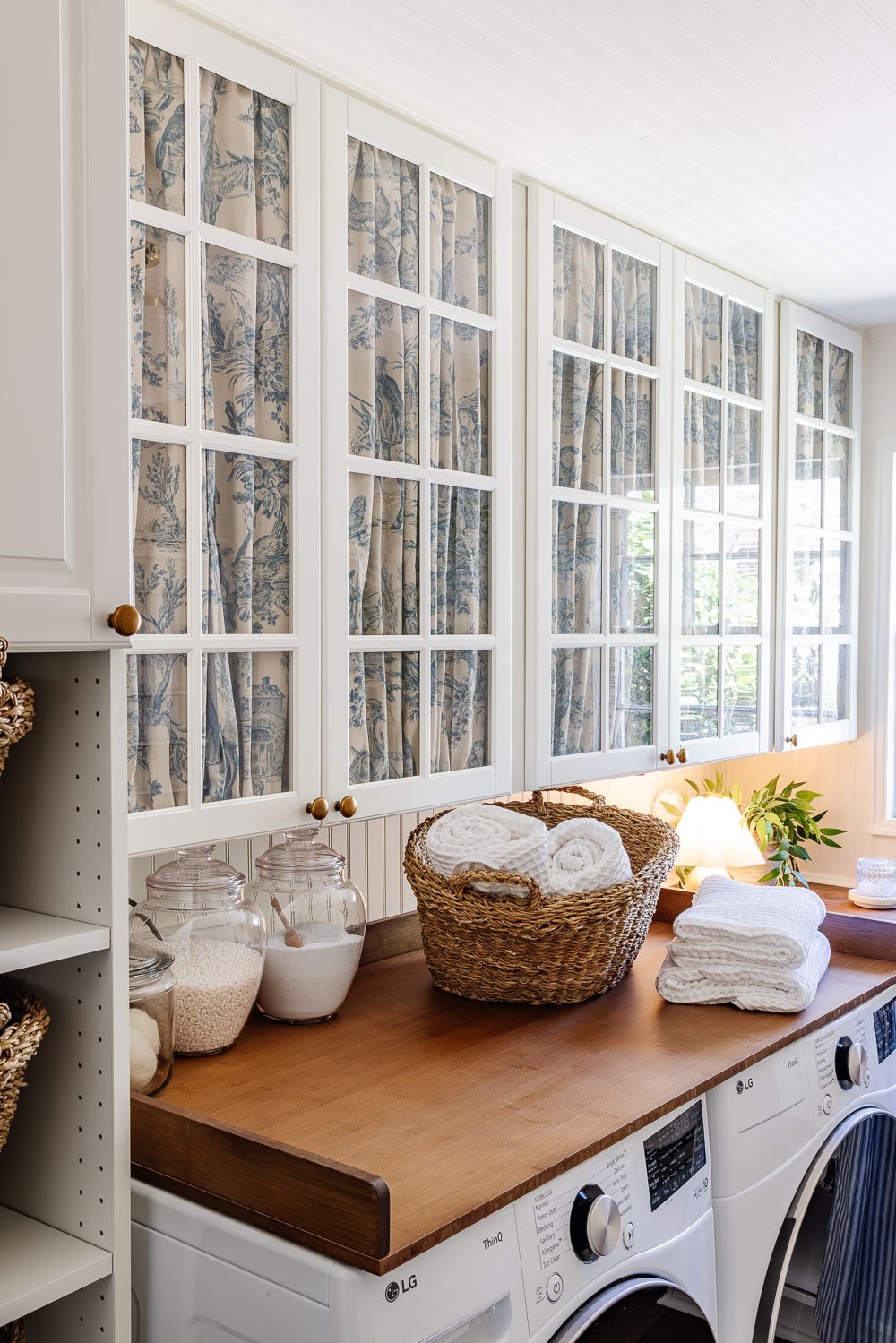
Selecting the Right Fabric and Adhesive
Choose lightweight, tightly woven fabrics like linen or cotton for best results. Avoid thick materials that won’t lay flat against glass. Purchase spray adhesive specifically formulated for fabric-to-glass applications—regular craft glue will create unsightly bubbles and wrinkles. Test your fabric and adhesive combination on a small scrap piece before committing to your cabinet doors.
Achieving Wrinkle-Free Results
Iron your fabric thoroughly before application to remove any creases. Apply adhesive in thin, even layers to both the glass surface and fabric back, waiting the recommended time before pressing fabric onto glass. Start from the center and work outward, using a soft cloth to smooth fabric into place. Trim excess fabric with a sharp utility knife after the adhesive has fully cured (typically 24 hours).
Paint Techniques for Permanent Coverage
Frosted Glass Paint Application
Frosted glass paint provides opaque coverage while maintaining a decorative, textured appearance. Unlike regular paint, this specialty product adheres to smooth glass surfaces without peeling. Apply with a high-quality foam brush using light, even strokes in one direction. Two thin coats work better than one thick coat to prevent drips. Allow proper drying time between coats as specified by the manufacturer.
Spray Paint for Smooth, Solid Coverage
For complete opacity, use glass-specific spray paint available in various finishes. Proper preparation is essential—sand glass lightly with 220-grit sandpaper to create “tooth” for the paint to grip. Apply paint in light, sweeping motions from 10-12 inches away, building coverage gradually. Multiple thin coats produce better results than trying to cover in one application. Allow at least 48 hours for full curing before handling.
Troubleshooting Common Covering Problems
Fixing Bubbles and Wrinkles After Application
Small bubbles often resolve themselves as adhesive cures, but persistent ones require intervention. Gently lift the edge of the covering material with a razor blade, spray adhesive solution underneath, then smooth back into place. For wrinkles in fabric applications, carefully peel back the affected section, reapply adhesive, and smooth again using downward pressure. Prevention works best—take your time during initial application to avoid these issues.
Addressing Peeling Edges Over Time
Peeling edges typically indicate inadequate surface preparation. Clean the area thoroughly with rubbing alcohol, then apply a small amount of clear silicone sealant along the edge using a toothpick for precision. Press firmly and allow 24 hours to cure before using the cabinet. For temporary fixes, clear packing tape can provide a discreet solution until proper repair is possible.
Maintenance Tips for Long-Lasting Results
Clean covered glass cabinet doors with non-abrasive cleaners only—vinegar and water solutions work well for most coverings. Avoid ammonia-based cleaners which can damage adhesives over time. When dusting, use a microfiber cloth with light pressure to prevent lifting edges. Check edges periodically for signs of peeling, especially in high-moisture areas near sinks or dishwashers.
For removable films and papers, expect to replace them every 2-3 years depending on kitchen conditions. Permanent paint applications should last 5+ years with proper care. Always keep leftover material for future touch-ups—store in a cool, dry place rolled rather than folded.
Final Note: Covering glass kitchen cabinet doors offers tremendous design flexibility without the cost of replacement. Whether you choose removable films for temporary changes or permanent paint solutions for lasting transformation, proper preparation and technique make all the difference in achieving professional results. Start with one cabinet door as a test before committing to your entire kitchen—this allows you to perfect your technique and ensure you’re happy with the results. With the right materials and careful execution, you can complete this project in a weekend and enjoy your newly transformed kitchen for years to come.