
Nothing disrupts your kitchen workflow like a cupboard door that won’t stay closed, swings open unexpectedly, or sits crooked on its hinges. Whether your upper cabinet door has gradually drifted out of alignment or suddenly won’t latch properly, these common issues can make food storage frustrating and create safety hazards in busy households. Knowing how to fix a kitchen cupboard door properly saves you money on unnecessary replacements and restores functionality to your kitchen storage. This guide covers the most effective techniques for diagnosing and repairing misaligned, loose, or damaged cupboard doors—whether you’re dealing with subtle alignment issues or doors that won’t stay closed at all.
Diagnose Your Cupboard Door Problem Before Repairing
Before grabbing tools, properly identify what’s causing your cupboard door issue. Most problems fall into specific categories that require different solutions.
Is Your Cupboard Door Loose or Wobbly?
Check for excessive movement when you gently shake the door. A properly secured door should have minimal play. If you feel significant wobble, your hinge screws have likely loosened over time from repeated use. This is especially common in upper cabinets where doors open against gravity. Inspect both the cabinet frame screws and the door-mounted screws—both can loosen independently. While minor looseness might just need tightening, stripped screw holes require more advanced repair techniques.
Why Your Cupboard Door Won’t Stay Closed
When your kitchen cupboard door refuses to remain shut, examine three critical elements: the hinge alignment, the door stoppers, and the catch mechanism. Many modern cabinets use magnetic catches that lose effectiveness when the door shifts out of position. If your door swings open when you walk past, the hinges have likely shifted enough that gravity works against the door’s natural closing motion. Check whether the problem occurs only when the cabinet is empty or persists when storing typical items—this helps determine if weight distribution contributes to your issue.
Essential Tools Required for Cupboard Door Repair
Basic Repair Kit for Most Alignment Issues
Gather these tools before starting any cupboard door repair:
– Phillips head screwdriver (manual or electric)
– 1/8″ and 1/4″ drill bits
– Wood filler or toothpicks
– Small hammer
– Level (8-12 inches works best)
– Measuring tape
– Pencil for marking
Having these items ready prevents mid-repair interruptions and ensures you can address unexpected complications like stripped screw holes. Keep a small container nearby for screws—you’ll often remove multiple screws during adjustment and need to keep them organized.
Specialized Tools for Complex Cupboard Door Problems
For more challenging repairs like completely stripped hinge holes or severely warped doors, add these specialized items:
– Cabinet door alignment jig (available at hardware stores)
– Wood glue
– 1.5-inch wood screws (longer than original)
– Chisel for hinge mortise adjustment
– Clamps for holding doors during glue repairs
Professional cabinetmakers often carry these tools specifically for precision door alignment. While not necessary for simple adjustments, they become essential when standard tightening and realignment attempts fail.
Adjust Cabinet Hinges to Fix Misaligned Doors
How to Properly Adjust Euro-Style Cabinet Hinges
Most modern kitchen cabinets use Euro-style hinges with three adjustment points. Start with the depth adjustment screw (located at the hinge base) to move the door closer to or farther from the cabinet frame. Turn clockwise to pull the door in, counterclockwise to push it out. Next, adjust the height screw (typically on the hinge arm) to raise or lower the door position—turn left to raise, right to lower. Finally, use the side-to-side adjustment (on the mounting plate) to shift the door horizontally without moving the entire hinge assembly.
Fixing Common Hinge Problems on Older Cabinets
Older cabinets often feature butt hinges that require different adjustment techniques. Loosen—but don’t remove—all hinge screws slightly, then reposition the door to your desired location before gradually tightening screws while checking alignment. If the door has dropped significantly, insert thin cardboard shims behind the upper hinge before retightening. For doors that bind at the bottom, slightly deepen the hinge mortise with a chisel to create more clearance. Always adjust both top and bottom hinges simultaneously to maintain proper door geometry—adjusting only one hinge often creates new alignment issues.
Repair Stripped Screw Holes in Cupboard Doors
:max_bytes(150000):strip_icc()/how-to-fix-a-stripped-screw-hole-3536468-FINAL-5b982891c9e77c005037660c.png)
Quick Fix for Slightly Stripped Hinge Holes
When hinge screws won’t tighten because of worn wood, try this immediate solution: remove the screw completely, insert two toothpicks coated with wood glue into the hole, snap off the excess, and let dry for two hours. The toothpicks provide fresh gripping material for the screw. Alternatively, use a matchstick or small wooden skewer for larger hinge screws. Never force a screw into a stripped hole—that only makes the problem worse by expanding the hole further.
Permanent Repair for Severely Damaged Hinge Holes
For completely stripped holes that won’t hold even with toothpicks, follow this professional technique: drill out the damaged hole to 1/4″ diameter using a drill bit perpendicular to the surface. Apply wood glue inside the hole, then insert a tight-fitting wooden dowel. Cut the dowel flush once dry, mark your screw location, and carefully drill a pilot hole 70% the diameter of your screw. This creates a solid foundation that will hold screws securely for years. For cabinet frames made of particleboard, consider epoxy-based wood fillers designed specifically for engineered wood products.
Fix Cupboard Doors That Won’t Stay Closed
Adjust Magnetic Catches Without Replacing Hardware
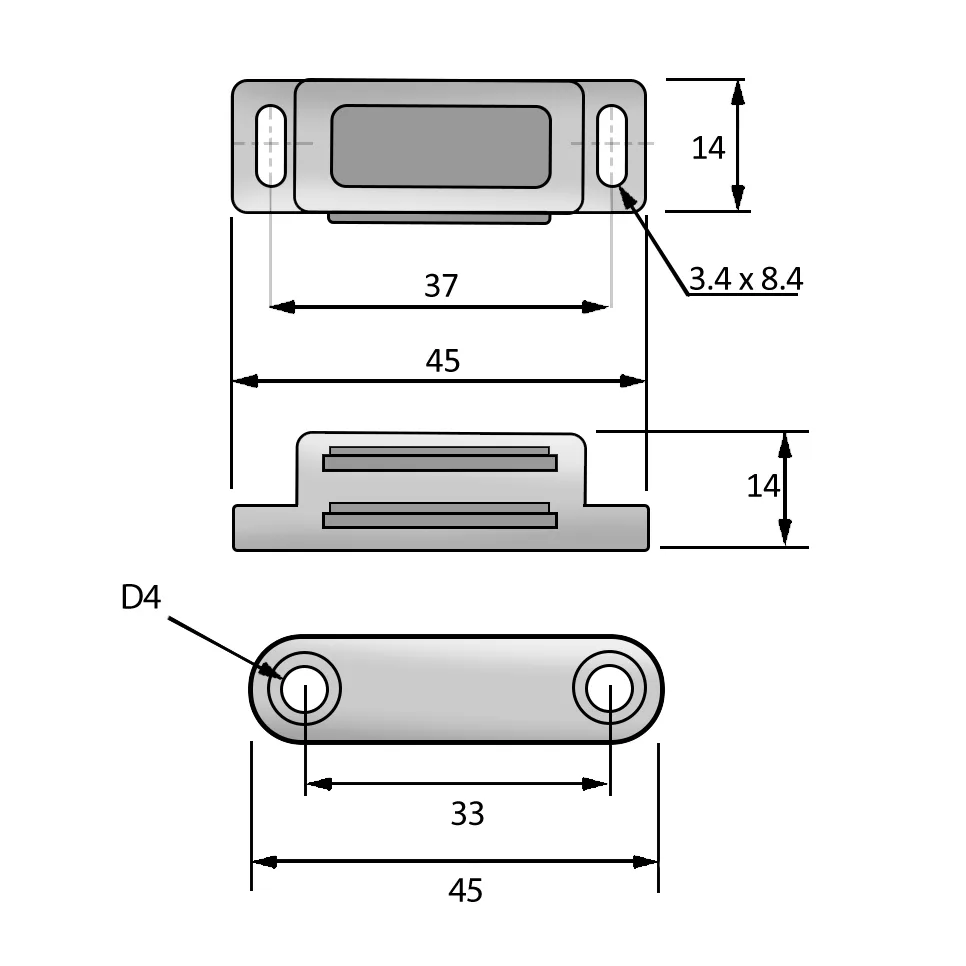
Most modern cabinets use magnetic catches that fail when doors shift out of alignment. First, check if the strike plate (mounted on the cabinet frame) lines up perfectly with the magnet in the door. Even 1/8″ misalignment prevents proper engagement. Loosen the strike plate screws slightly, close the door gently to let it self-align, then retighten while holding the door closed. If the magnet has weakened, replace just the magnetic component rather than the entire catch mechanism—most hardware stores sell replacement magnets that snap into existing housings.
Install Temporary Solutions for Immediate Functionality
When you need an immediate fix before proper repair, try these temporary solutions: attach a small adhesive-backed hook inside the cabinet frame with a matching loop on the door. Use removable mounting putty to create a gentle hold that keeps doors closed but allows easy opening. For upper cabinets where gravity works against closure, place a thin rubber door stop at the bottom inside edge to create slight resistance that helps the door stay shut. These aren’t permanent solutions but can maintain functionality while you gather proper tools for lasting repair.
Prevent Future Cupboard Door Problems
Regular Maintenance That Extends Cabinet Life
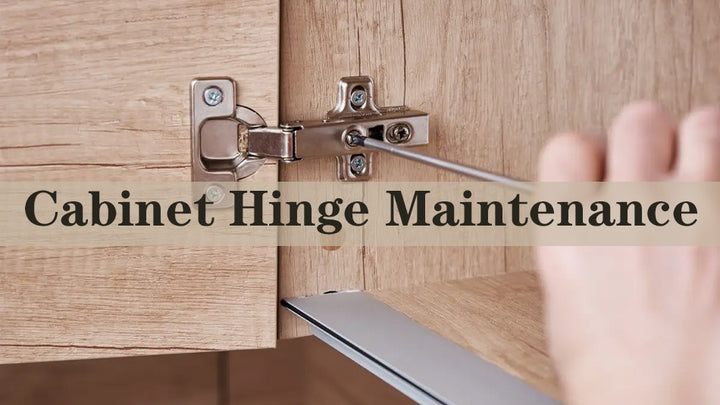
Prevent recurring alignment issues with quarterly maintenance: tighten all hinge screws (both cabinet and door sides), check door alignment with a small level, and clean hinge mechanisms of built-up grease and dust. Apply a small amount of silicone-based lubricant to hinge pivots—never use oil-based lubricants that attract dirt. For cabinets storing heavy items, redistribute weight to prevent doors from sagging over time. Pay special attention to corner cabinets and tall pantry units, which experience more stress from door weight and usage patterns.
When to Replace Rather Than Repair Cupboard Doors
Sometimes replacement proves more cost-effective than repeated repairs. Consider new doors if you notice: extensive water damage warping the door structure, multiple stripped hinge holes that compromise structural integrity, or outdated hardware that no longer matches available replacement parts. Modern cabinet doors often cost less than professional repair services, and many home centers offer pre-hung doors that simplify installation. However, for custom or high-end cabinetry, professional repair usually preserves value better than replacement.
Final Note: Properly aligned cupboard doors transform your kitchen functionality and aesthetics with minimal investment of time and tools. By understanding hinge mechanics and common failure points, you’ve gained the knowledge to maintain perfect door alignment for years. Remember that most issues stem from simple screw loosening rather than fundamental damage, making regular maintenance your best prevention strategy. When alignment problems persist after basic adjustments, check for underlying issues like cabinet frame damage or moisture-related warping that may require professional assessment. With these techniques, you’ll keep your kitchen storage operating smoothly while avoiding unnecessary replacement costs.