Picture this: you’ve just installed a beautiful kitchen bar, but when friends come over, they’re constantly complaining about awkward seating positions or struggling to see across the counter. This common frustration stems from one critical oversight—getting the height wrong. The question “how high should a kitchen bar be” determines not just comfort but whether your space becomes a natural gathering spot or an underused afterthought. With the right measurements, your kitchen bar transforms into the heart of your home where conversations flow as easily as the wine. This guide delivers precise height specifications, stool pairings, and configuration secrets to ensure your kitchen bar hits the sweet spot for comfort and functionality.
42 Inches: The Standard Kitchen Bar Height You Need
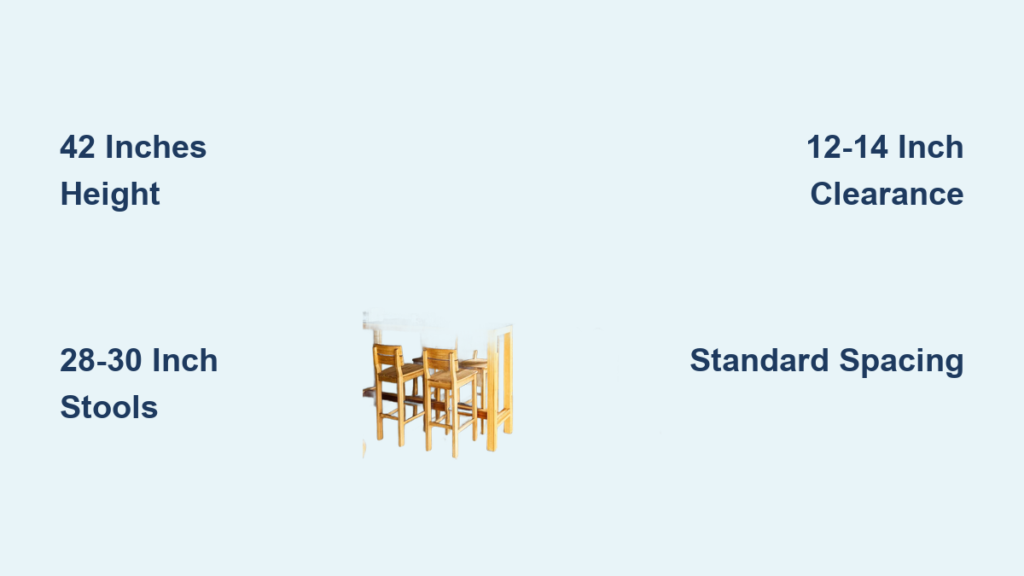
The universally accepted measurement for kitchen bar height is 42 inches (106.7 cm) from floor to surface. This precise height creates the ideal elevation for social interaction while maintaining visual connectivity in open-concept homes. When you install your kitchen bar at this standard height, you’re ensuring optimal sightlines across your living space—guests can see you preparing food without craning their necks, and you can easily monitor children playing in adjacent rooms.
This six-inch difference from standard countertops serves multiple practical purposes beyond aesthetics. At 42 inches, your bar surface prevents the “wall effect” that occurs with standard counters, keeping your kitchen feeling open and inviting. Most importantly, this height accommodates the natural standing position for adults during social interactions—neither too high to cause strain nor too low to feel childish. When planning your kitchen layout, always measure from finished floor to the top of your planned bar surface to avoid costly mistakes during installation.
Counter Height vs. Bar Height: Critical Differences You Must Know
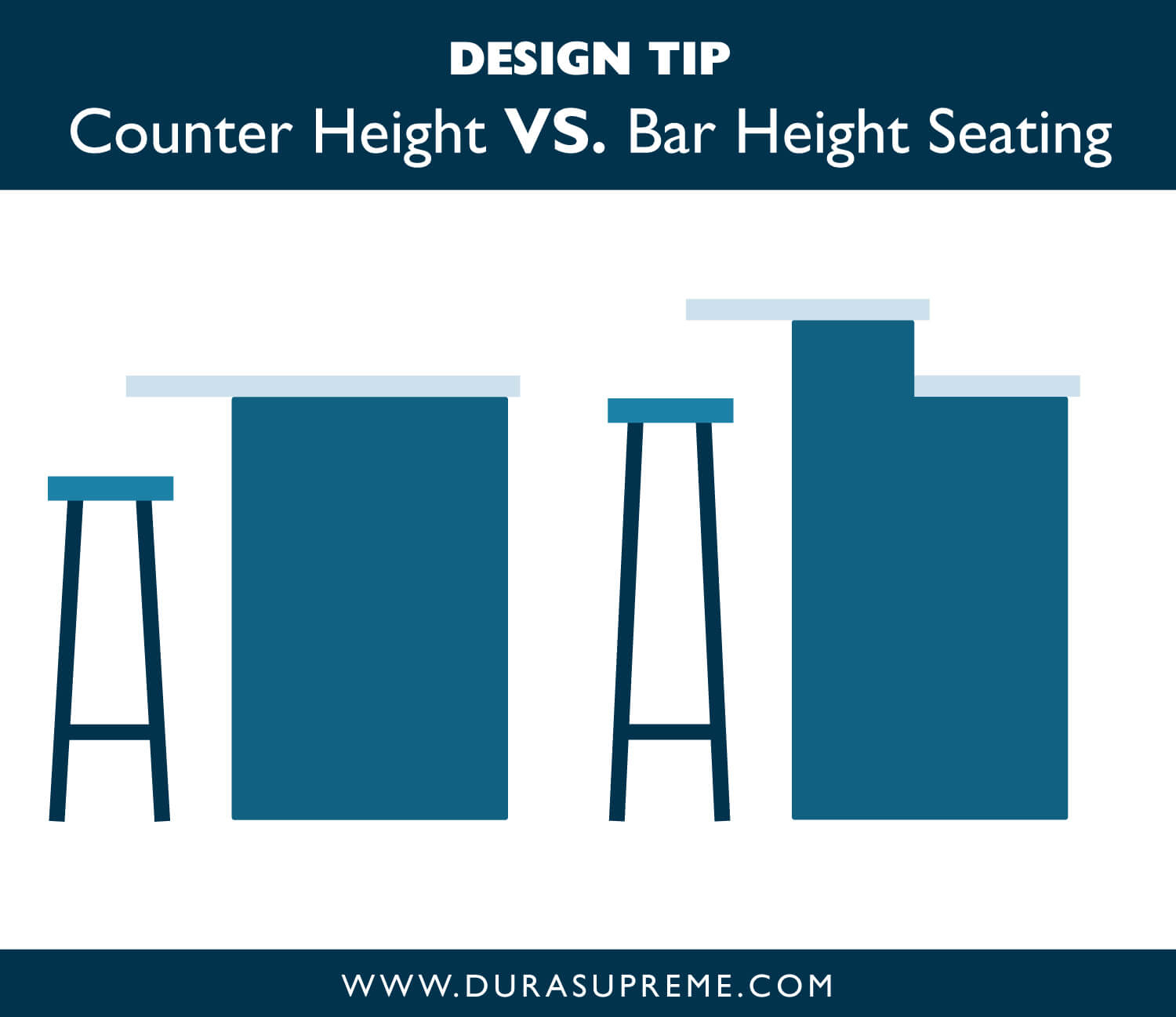
Your kitchen’s functionality depends on understanding the distinct roles of different surface heights. Standard kitchen counters sit at 36 inches (91.4 cm), the perfect height for food preparation where you’ll spend most of your cooking time. This lower height allows you to comfortably chop vegetables, roll dough, and complete other food prep tasks without straining your back or shoulders—a crucial consideration if you cook frequently.
Kitchen bars rise to 42 inches (106.7 cm) specifically to create separation while maintaining connection in open floor plans. This elevation allows you to interact with guests while working, unlike standard counters that often force you to turn your back. The six-inch difference might seem minor, but it dramatically transforms how you experience your kitchen—items placed on a 42-inch bar remain visible from living room seating areas without creating a visual barrier.
Dining tables typically measure 30 inches (76.2 cm) high, establishing a three-tier hierarchy in contemporary kitchen design. If your kitchen bar will primarily serve as a breakfast spot for family meals rather than an entertainment hub, consider installing it at counter height (36 inches) with matching 24-26 inch stools for comfortable dining without the need for taller seating.
How to Match Stool Height to Your Kitchen Bar Perfectly
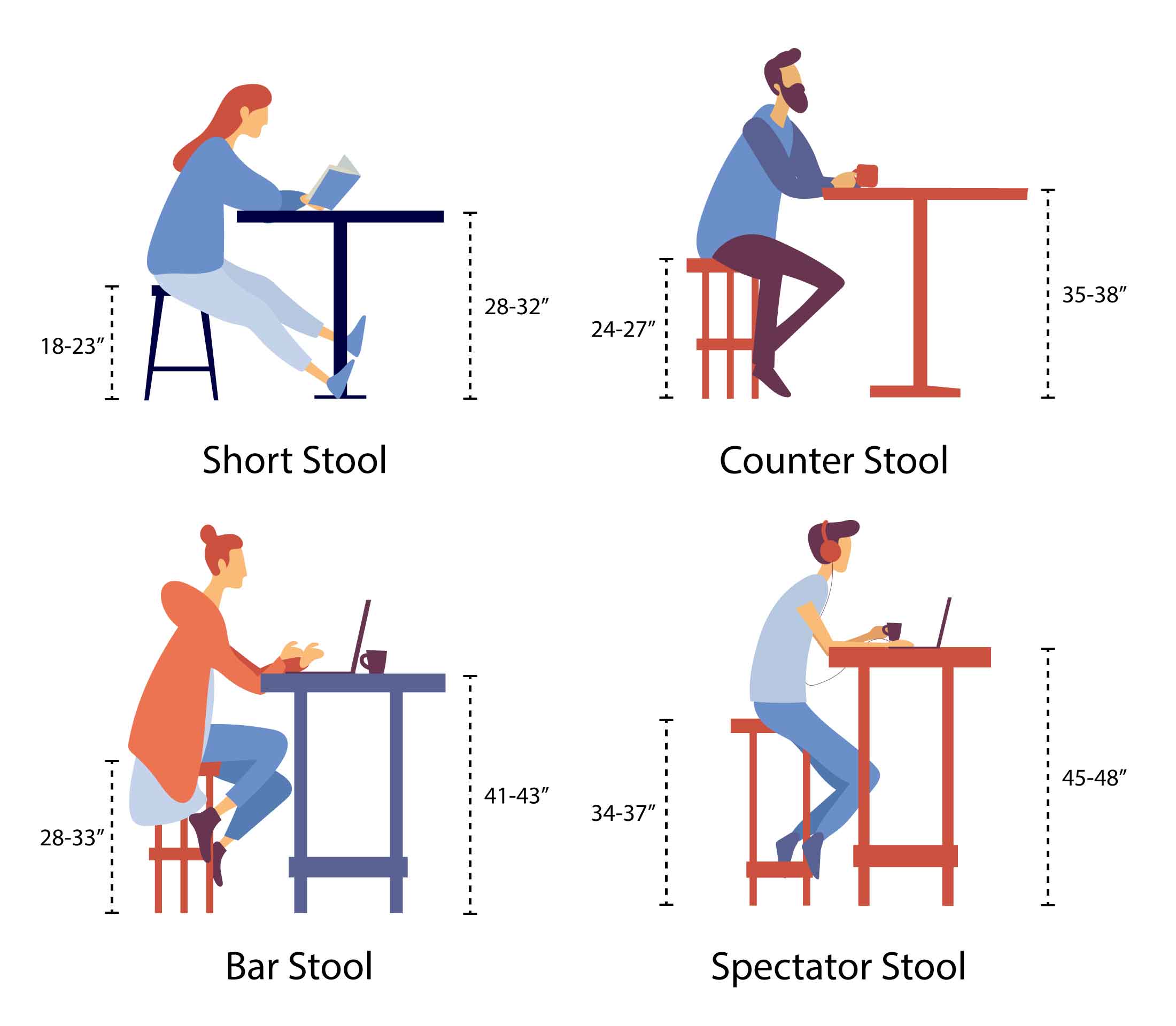
Selecting the right stools makes or breaks your kitchen bar experience. For a 42-inch bar, your stools need seats measuring 28 to 30 inches (71-76 cm) from floor to seat surface. This creates the essential 12 to 14 inches of clearance between seat and bar top—any less causes cramped leg positioning, while more creates uncomfortable dangling feet. When testing stools, sit down and check that your feet rest flat on the floor with knees bent at approximately 90 degrees.
The relationship between bar height and stool height follows these specific guidelines:
– For 42-inch bars: 28-30 inch stool seats
– For 36-inch counters: 24-26 inch stool seats
– For 30-inch dining tables: 18-20 inch chair seats
Adjustable-height stools have become increasingly valuable in modern kitchens. Models offering 6 inches of adjustment (typically 24-30 inches) accommodate households with varying user heights—essential if you have teenagers approaching six feet or grandparents who prefer lower seating. When purchasing stools, always measure from the floor to the seat’s highest point, not the backrest, to ensure proper clearance beneath your bar.
Ergonomic Secrets for Maximum Bar Comfort
Your kitchen bar should encourage lingering conversations, not quick escapes. The 42-inch height works best when it aligns with users’ natural arm positions. Stand at your planned bar location and bend your elbows to 90 degrees—this sweet spot indicates the ideal height where forearms rest comfortably without shoulder strain. Taller users (over 6 feet) often prefer the standard 42-inch height, while those under 5’6″ might find it more comfortable to lower the bar by 1-2 inches.
Consider how you’ll primarily use your bar when determining height. If you envision casual cocktail gatherings and quick snacks, the standard 42-inch height is perfect. However, if your bar will serve as the main family dining spot for full meals, incorporate a lower tier at 36 inches on one side of your island—this dual-height design accommodates both standing interaction and seated dining. The 42-inch height also solves a common open-concept kitchen problem: it keeps your workspace visible to guests without forcing you to turn your back during conversations.
Kitchen Island Bar Height Configuration Guide
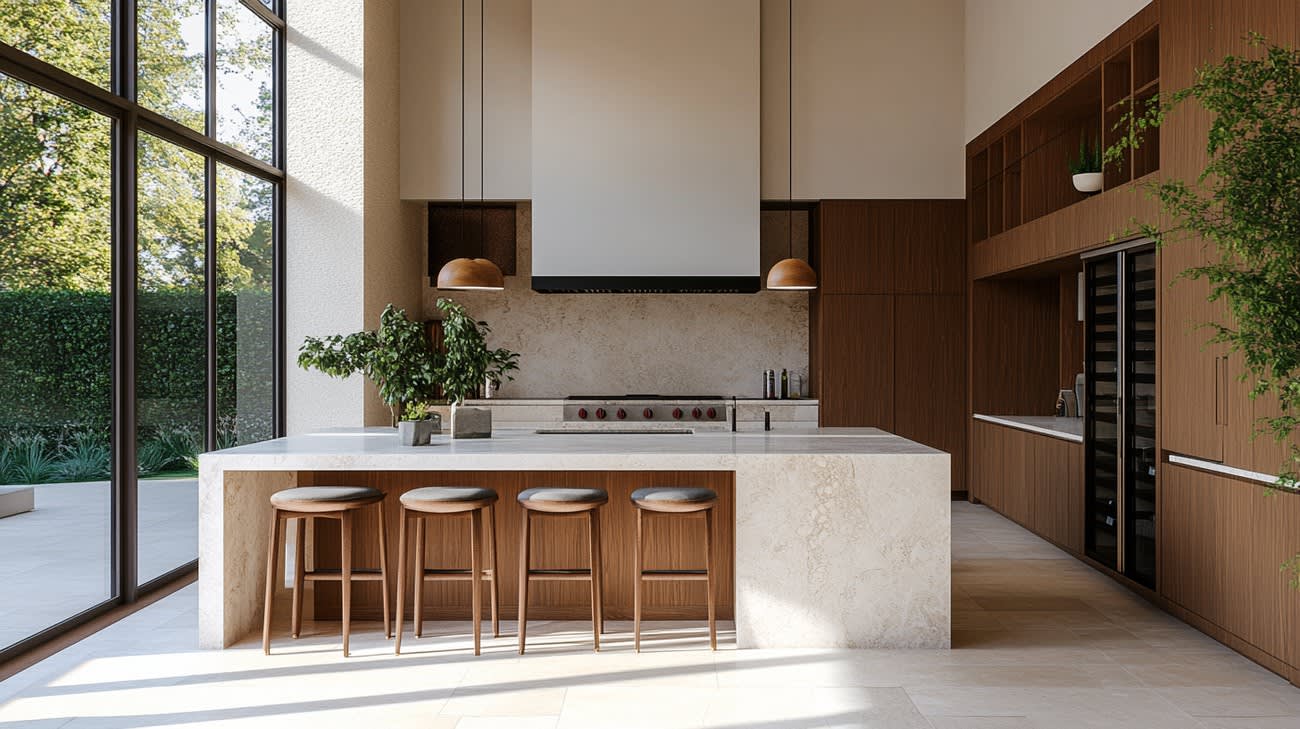
Your kitchen layout determines how you implement bar height standards. Islands with bar seating require careful planning to maximize functionality. The most effective design features a 42-inch bar surface extending 12-16 inches beyond the main counter on the seating side, while maintaining the standard 36-inch height on the cooking side. This creates a natural workflow where you can prepare food at counter height then turn to serve at bar height.
Peninsula bars attached to walls need the same height considerations but with added attention to clearance. Ensure at least 36 inches of walkway space behind seated guests—anything less creates cramped movement. For truly versatile spaces, consider multi-tiered islands that combine all three standard heights: 30 inches for dining, 36 inches for prep, and 42 inches for bar seating. This configuration works especially well in larger kitchens where different activities happen simultaneously.
Commercial vs. Residential Bar Height Standards Compared
While restaurants and bars consistently use the 42-inch standard for practical service reasons, residential kitchens offer more flexibility. Commercial establishments maintain this height to create clear separation between staff and patrons while allowing bartenders to work efficiently. In your home kitchen, you can customize heights based on your specific needs, but straying from the standard affects resale value and furniture compatibility.
If you’re planning to stay in your home long-term, custom heights might suit your household perfectly—especially if all family members are unusually tall or short. However, if you might sell within 5-7 years, sticking with the 42-inch standard ensures future buyers won’t need to replace stools or modify the structure. The good news is that most home buyers expect and prefer the standard 42-inch bar height in modern open-concept kitchens.
Special Kitchen Bar Height Variations Worth Considering
Not every kitchen fits the standard mold, and that’s okay. Breakfast bars used primarily for family meals often work better at counter height (36 inches) with matching 24-26 inch stools. This lower configuration creates a more intimate dining experience where children can easily climb on and off seats without supervision.
Outdoor kitchen bars typically follow the 42-inch standard but might benefit from being 1-2 inches lower in windy locations—this reduces the chance of items blowing off the surface. For accessibility, incorporate a section lowered to 34 inches or less to accommodate wheelchair users, creating a multi-level design that serves everyone in your household. These specialized configurations prove that while standards exist for good reason, your kitchen should ultimately serve your specific needs.
Installation Checklist: Avoiding Costly Bar Height Mistakes
Before finalizing your kitchen bar height, measure these critical dimensions to prevent common installation errors:
- Knee clearance: Maintain 18-24 inches beneath the bar surface
- Surface depth: Ensure at least 12-16 inches for comfortable elbow placement
- Overhang: Extend the bar 8-12 inches beyond base cabinets for proper legroom
- Lighting height: Position pendant fixtures 30-36 inches above the bar surface
When planning seating, allow 24-30 inches of bar length per person—less creates cramped elbow room, while more feels sparse. During installation, double-check that the bar height remains consistent across its entire length; even slight variations (more than 1/4 inch) become noticeable and uncomfortable when multiple people sit down.
Final Height Recommendation: For most homeowners, the standard 42-inch kitchen bar height provides the perfect balance between functionality and social interaction. Pair it with 28-30 inch stools for optimal comfort, and consider a multi-level island design if your kitchen serves multiple functions. Remember that consistency matters—maintain the same height across your entire bar surface to avoid awkward seating transitions. When in doubt, build a temporary mock-up at your planned height before final installation; have family members use it for meals and conversation to confirm it feels natural. This small test could save you from costly modifications later and ensure your kitchen bar becomes the welcoming hub your home deserves.