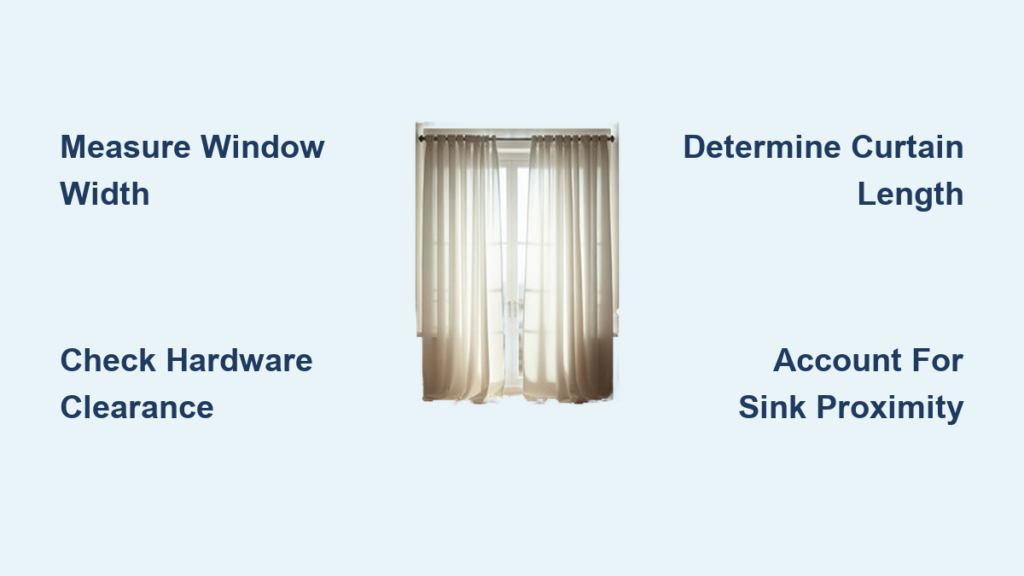
Nothing ruins a beautiful kitchen makeover faster than ill-fitting curtains that bunch awkwardly, leave gaps, or drag through sink water. Precise measurements transform ordinary window treatments into polished design elements that enhance both aesthetics and functionality. When you measure correctly for kitchen curtains, you avoid costly mistakes like curtains that block cabinet access, interfere with stove operation, or create fire hazards near heat sources. This guide delivers the exact steps professionals use to achieve perfect curtain fits for any kitchen window configuration.
Kitchen windows demand special measurement considerations you won’t find in other rooms. The proximity to sinks, stoves, and cabinets creates unique challenges that standard curtain measurements ignore. A curtain hanging too close to a burner becomes a serious safety risk, while fabric that brushes against countertops collects grease and food particles. By following these proven measurement techniques, you’ll select curtains that complement your kitchen layout while functioning flawlessly in this high-traffic space. You’ll learn exactly where to position rods, how much fabric to order, and how to handle tricky configurations like bay windows above your sink area.
Gather Your Measuring Tools

Skip the flimsy fabric tape measures that bend and stretch—your kitchen curtain project demands precision instruments. A 25-foot metal retractable tape measure provides the rigidity needed to get accurate straight-line readings, especially for taller windows. Keep this tape measure dedicated to home projects; worn tapes with stretched hooks deliver inconsistent results that compromise your entire measurement process.
Document every number immediately in a waterproof notebook—kitchens are high-moisture environments where paper notes can smudge or tear. Record measurements in both inches and centimeters to avoid conversion errors when ordering custom curtains. Include sketches showing window obstructions like faucets, cabinet handles, or light fixtures that affect curtain placement. Digital photographers should take multiple-angle photos of each window with a ruler visible for scale reference.
Don’t overlook the importance of a sturdy step stool for reaching high kitchen windows safely. Many homeowners make critical errors when stretching or balancing during measurements. If your kitchen has vaulted ceilings or hard-to-reach windows, consider investing in a laser distance measurer that provides accurate readings from the floor. This tool pays for itself when measuring above stoves or sinks where leaning too far creates safety hazards.
Measure Window Width Correctly
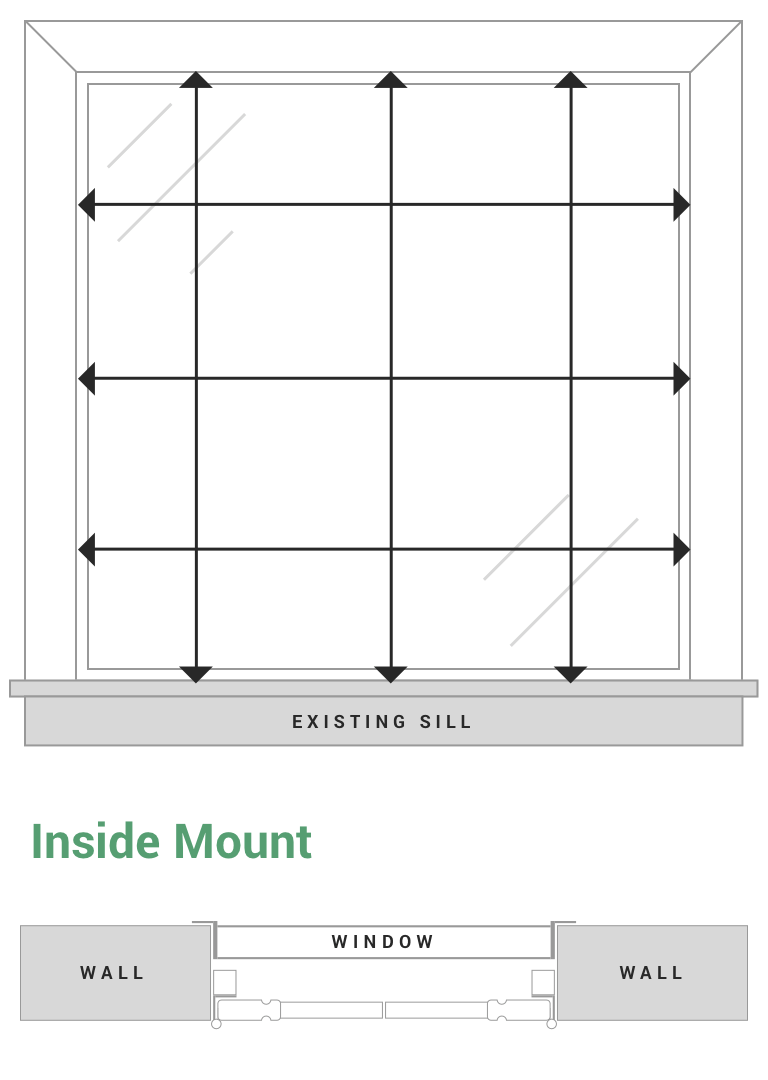
Start by measuring the window frame’s interior width at three distinct points: top, middle, and bottom. Older kitchens often have slightly out-of-square window openings due to settling, so using only one measurement guarantees uneven curtain coverage. Note the smallest dimension if the window isn’t perfectly rectangular—this becomes your critical width reference for inside-mount installations.
For outside-mount curtains (the preferred choice for most kitchens), measure the total wall space you want covered. Extend your tape measure 6-8 inches beyond the window frame on each side to allow full light exposure when curtains are open. Windows flanked by upper cabinets require special consideration—measure to the cabinet edge if you want curtains to frame the entire window unit, or stop short if maintaining cabinet access is priority.
Calculate your required fabric width using the fullness formula: window width × desired fullness ratio = total fabric width. Most kitchen curtains need 1.5-2 times the window width for proper gathering. For a standard 36-inch kitchen window, this means ordering 54-72 inches of total fabric width (27-36 inches per panel). Sheer cafe curtains above sinks typically use lower fullness (1.3-1.5x), while blackout curtains on larger windows need higher fullness (2-2.5x) to maintain opacity when closed.
Account for Hardware Clearance
Measure bracket placement carefully to avoid collisions with cabinet doors or handles. Standard curtain rods project 3-4 inches from the wall, but shallow-mount brackets (2-2.5 inches) work better above sinks where space is limited. Position the outermost bracket at least 2 inches away from any obstruction to ensure smooth curtain operation.
Check finial clearance by measuring from the outer bracket to the nearest obstacle, then comparing this to half your chosen finial’s width plus rod projection. For example, if brackets sit 2 inches from a cabinet, and you’re using 4-inch finials with a 3-inch rod projection, the finial would extend 4 inches beyond the bracket center (2-inch radius + 2-inch projection)—causing it to hit the cabinet when opened.
Determine Curtain Length Options

Kitchen curtain lengths fall into three practical categories based on sink and stove locations. Sill-length curtains (ending 1-2 inches below the windowsill) work best above sinks where water exposure is frequent. Measure from rod to 1 inch below the sill—never to the exact sill level, which creates an unattractive gap when curtains hang naturally.
Apron-length curtains extend 4-6 inches below the sill for a more tailored look while still clearing countertops. This length suits windows above breakfast nooks or secondary sinks where water exposure is minimal. Floor-length curtains (ending 1 inch above the floor) create dramatic elegance in kitchen dining areas but should never be used near primary sinks or stoves due to moisture and fire risks.
Special Kitchen Length Considerations
For windows above sinks, measure from rod to 2-4 inches below your faucet’s lowest point—this prevents curtain tails from dragging through dirty dishes. Test this measurement with a string before finalizing; operate your faucet fully to verify clearance. Windows near stoves require strict adherence to fire safety standards: maintain at least 12 inches between the stove surface and curtain hem, measured vertically when curtains are closed.
Bay windows above kitchen sinks need segmented length measurements. Take separate readings at each window section’s center point, as angled configurations often have varying sill heights. This prevents the common mistake of one curtain panel dragging while others hang too high.
Handle Special Kitchen Window Configurations
Corner kitchen windows demand custom solutions since standard rods won’t follow the angle. Measure both window sections from the corner point outward, noting exact angles with a protractor app on your smartphone. Corner connectors allow two separate rods to join at precise angles, but require exact measurements to avoid gaps at the joint.
Bay windows above kitchen sinks present triple challenges: multiple angles, sink proximity, and often limited wall space. Measure each segment’s width at three points (top, middle, bottom), then determine the narrowest dimension for hardware compatibility. Bay window rods come in flexible or segmented kits—verify your measurements against the manufacturer’s maximum span per segment to prevent sagging.
Avoid Common Measuring Mistakes
The most costly error involves measuring only the glass area instead of the entire window unit. Kitchen windows often have decorative trim or mullions that affect curtain placement. Always measure the outermost frame edge that determines your visual window boundary.
Never skip double-checking measurements after initial installation. Hang your rod temporarily using painter’s tape, then verify curtain coverage with a fabric sample before final mounting. This reveals issues like uneven rod placement or unexpected obstructions that affect curtain operation in your specific kitchen layout.
Final Thoughts
Perfect kitchen curtain measurements transform functional window coverings into design assets that enhance both beauty and safety. By carefully accounting for sink proximity, stove clearance, and cabinet obstructions, you’ll select curtains that work with your kitchen’s unique demands rather than against them. Remember that kitchen windows require stricter safety considerations than other rooms—never compromise on stove clearance measurements or water exposure prevention.
Before purchasing, create a complete measurement log including: window dimensions, rod placement coordinates, clearance distances from hazards, and fullness calculations. This documentation prevents confusion when comparing products or consulting with professionals. The extra 15 minutes spent verifying measurements saves hours of frustration and potentially hundreds of dollars in replacement costs. When your kitchen curtains hang perfectly—clearing sinks, avoiding stoves, and complementing your decor—you’ll appreciate the precision that turned a simple window treatment into an integral part of your kitchen’s functionality and style.