That persistent foul odor rising from your kitchen sink isn’t just unpleasant—it’s a clear sign that organic matter is decomposing within your plumbing system. Whether you’re dealing with a rotten egg stench, musty mildew smell, or general drain odor, most kitchen sink smells can be eliminated using simple household items and proper techniques. This guide delivers actionable solutions to identify the source of your sink smell and eliminate it for good, restoring freshness to your kitchen environment.
Why Your Kitchen Sink Smells Like Rotten Eggs or Garbage
Kitchen sink odors typically stem from specific, identifiable sources rather than mysterious plumbing gremlins. Pinpointing the exact cause determines which solution will work fastest for your situation.
Food debris trapped in drainpipes creates the most common kitchen sink smell. When food particles bypass your strainer and lodge in pipe bends, bacteria begin breaking them down, producing foul-smelling gases. This problem worsens if you frequently dispose of starchy foods, fats, or fibrous vegetables that easily stick to pipe walls.
Garbage disposal buildup generates particularly strong odors because the grinding mechanism turns food waste into a paste that coats interior surfaces. Coffee grounds, eggshells, and vegetable scraps accumulate under the splash guard and around impellers, creating a breeding ground for odor-causing bacteria that regular running doesn’t eliminate.
Dry P-trap conditions allow sewer gases to enter your kitchen when sinks sit unused for several days. The U-shaped pipe beneath your sink normally holds water that seals out odors from the main drainage system. When this water evaporates during vacations or when secondary sinks go unused, the barrier disappears, letting unpleasant smells rise freely.
Biofilm development occurs when bacteria, fungi, and organic matter form a slimy coating on pipe interiors. This persistent layer continuously produces odors even after surface cleaning and requires specific treatment to fully eradicate.
Immediate Fixes for Kitchen Sink Odors Using Household Items
Before spending money on commercial products, try these proven home remedies that eliminate most sink smells with items already in your pantry.
Eliminate Odors with Baking Soda and Vinegar Reaction
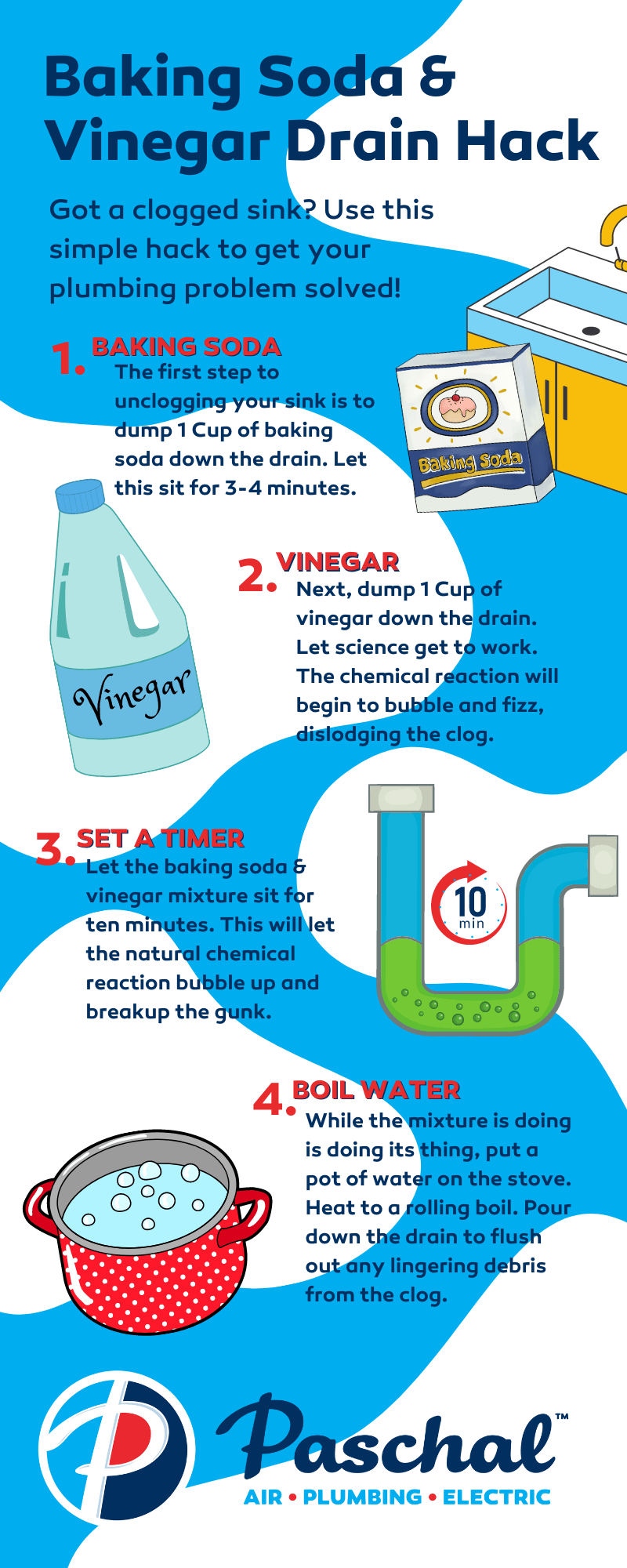
This chemical reaction creates powerful odor-neutralizing action through simple physics. Begin by pouring 2 cups of boiling water down the drain to soften initial buildup. Add 1 cup of baking soda directly into the drain opening, ensuring it coats the pipe walls. Slowly pour 1 cup of white vinegar down the same path—the mixture will immediately begin bubbling and fizzing as it breaks down organic matter. Cover the drain with a stopper or cloth to contain the reaction for 10-15 minutes, then flush with another 2 cups of boiling water. For stubborn smells, repeat this process twice weekly until odors disappear completely.
Salt and Hot Water Treatment for Grease-Based Smells
When grease accumulation causes your kitchen sink smell, salt provides gentle abrasive action without damaging pipes. Dissolve ½ cup of table salt in 4 cups of boiling water, then slowly pour the solution down the drain. The hot water melts congealed grease while the salt particles scrub pipe walls. Let the solution sit for 10 minutes before flushing with additional hot water. This method works especially well for sinks without garbage disposals and serves as excellent weekly maintenance to prevent future odor problems.
Citrus Peel Disposal Refresh for Instant Freshness
Citrus peels offer immediate odor masking while providing mild cleaning action. Cut lemon, lime, or orange peels into 2-inch strips and drop them into your garbage disposal. Run the disposal with cold water for 30-45 seconds—the natural citrus oils coat interior surfaces while the mechanical action cleans blades. For sinks without disposals, simmer citrus peels in 2 cups of water for 10 minutes, let cool slightly, then pour down the drain. The pleasant scent lasts several days while the mild acidity helps break down minor buildup.
Enzyme Cleaners for Persistent Organic Buildup
For smells that resist basic cleaning, enzyme-based products provide biological solutions that continue working for hours. Unlike harsh chemical cleaners that might damage pipes, these contain live bacteria that consume organic matter at the source. Apply according to package directions—typically by pouring the solution down the drain before bedtime and allowing 8-12 hours of contact time. These cleaners excel at eliminating biofilm that causes recurring odors, making them ideal for monthly maintenance even after initial odor removal.
Deep Cleaning Your Garbage Disposal to Eliminate Odors

When your disposal itself smells, surface cleaning won’t solve the problem—you need to address hidden buildup areas.
Manual Disposal Interior Scrubbing Process
First, disconnect power to the disposal at the circuit breaker—safety is non-negotiable when working with this appliance. Remove the rubber splash guard by twisting it counterclockwise, revealing the interior chamber. Use a long-handled brush with stiff bristles to scrub all visible surfaces, paying special attention to the grinding mechanism and sidewalls where food paste accumulates. Don’t neglect the underside of the splash guard itself, which often harbors significant buildup. For tough residue, create a paste of baking soda and water, apply it to affected areas, wait 15 minutes, then scrub again before rinsing thoroughly.
Ice Cube Cleaning Method for Hard-to-Reach Areas
Ice cubes provide mechanical cleaning action that reaches spots brushes can’t. Fill the disposal halfway with ice cubes, then add ½ cup of rock salt for extra abrasive power. Run cold water and turn on the disposal—the ice knocks loose debris from impellers while the salt scrubs buildup from hard-to-reach areas. Continue running for 30-45 seconds until all ice has processed. Follow with citrus peels to leave a fresh scent and neutralize any remaining odors.
Fixing P-Trap Issues Causing Sewer Smells
When your kitchen sink emits sewage-like odors, the P-trap likely needs attention—either refilling or cleaning.
Refilling a Dry P-Trap in Under 60 Seconds
If your sink hasn’t been used recently, simply run water for 1-2 minutes to refill the P-trap’s water seal. The curved pipe section should retain enough water to block sewer gases once properly filled. If the smell returns within hours, check for leaks around the P-trap connections that might prevent proper water retention.
Cleaning a Clogged P-Trap Step-by-Step
Place a bucket beneath the P-trap to catch residual water, then loosen the slip nuts connecting it to the drainpipe using channel-lock pliers. Remove the curved section and dump any standing water and debris into your bucket. Use a bottle brush or old toothbrush to clean the interior thoroughly, paying attention to the curved section where buildup concentrates. Rinse all components with hot water before reassembling, ensuring connections are snug but not overtightened to prevent cracks.
Preventing Kitchen Sink Smells Before They Start
The most effective odor solution is prevention through consistent habits that stop buildup before it occurs.
Daily Drain Maintenance Habits That Work
Always run cold water for 15-20 seconds before and after using your garbage disposal—this flushes waste completely through the system. Install a fine-mesh strainer to catch food particles larger than ⅛ inch, and empty it after each use. Never pour cooking grease down the drain; instead, collect it in a container for proper disposal. These simple actions prevent 90% of common kitchen sink smell problems.
Weekly Deep Cleaning Routine for Odor-Free Drains
Every Saturday morning, pour 4 cups of boiling water down each kitchen drain to melt and flush away accumulating grease. Follow this with a baking soda and vinegar treatment as described earlier, letting the reaction work for 15 minutes before final flushing. For disposals, process ice cubes and citrus peels weekly to maintain freshness and mechanical cleanliness.
Monthly Professional-Grade Maintenance
Once monthly, treat your drains with an enzyme cleaner according to package directions—typically by pouring the solution down the drain before bed and allowing overnight contact time. Remove and clean your drain basket thoroughly in the sink, using an old toothbrush to reach crevices. Inspect visible pipes for moisture that might indicate slow leaks contributing to odor problems.
When Kitchen Sink Smells Require Professional Help
Certain odor situations indicate problems beyond DIY solutions that require licensed plumber intervention.
Sewer Line Problems Needing Immediate Attention
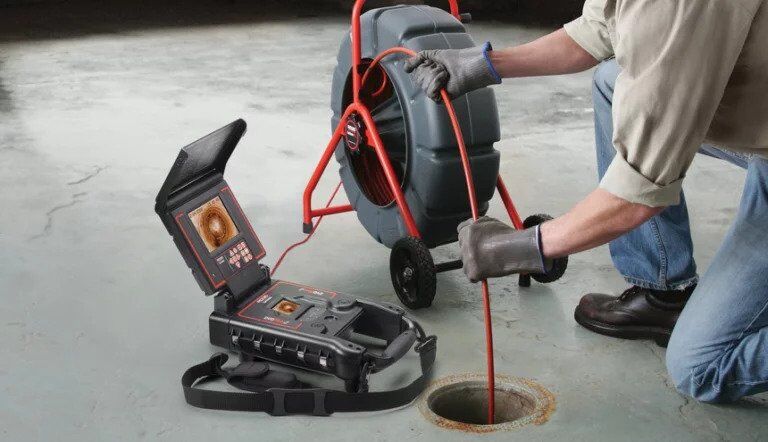
If multiple drains in your home emit sewage odors simultaneously, especially when toilets gurgle during use, you likely have a main sewer line issue. These problems require professional video inspection and potentially hydro jetting to clear blockages deep in your plumbing system.
Vent Pipe Blockage Warning Signs
When sinks gurgle during drainage or experience slow emptying along with persistent odors, a blocked plumbing vent might be the culprit. These roof-accessible pipes allow air into your drainage system, and blockages prevent proper flow while allowing sewer gases to escape through sink traps.
Quick Reference: Fix Kitchen Sink Smell Based on Symptoms
| Smell Type | Most Likely Cause | Best Immediate Solution |
|---|---|---|
| Rotten eggs | Bacterial decomposition in drain | Baking soda/vinegar treatment |
| Musty odor | Mold growth in disposal | Manual scrubbing + bleach solution |
| Sewage smell | Dry P-trap or vent issue | Run water for 2 minutes; call plumber if persistent |
| Garbage smell | Disposal buildup | Deep clean disposal interior |
| Odor after vacation | Evaporated P-trap water | Run sink for 1-2 minutes |
Kitchen sink smells are fixable problems, not plumbing mysteries. By identifying your specific odor source and applying the appropriate solution from this guide, you can eliminate unpleasant smells permanently. Start with the simplest remedies like baking soda and vinegar treatments before progressing to more intensive cleaning methods. Implement the preventive habits described to keep your drains fresh between cleanings. If odors persist despite thorough cleaning efforts, consult a professional plumber to address potential sewer line or venting issues. With consistent maintenance, your kitchen sink will remain odor-free and functional for years to come.