A windowless kitchen sink area can feel dark, cramped, and disconnected from the rest of your home. Many homeowners face this exact challenge—whether their floor plan places the sink against an interior wall or architectural constraints simply don’t allow for a window. The good news? A windowless kitchen sink can become just as vibrant, functional, and inviting as any sun-drenched space with the right design strategy. From strategic lighting placements to clever mirror placements and color choices that bounce light around the room, numerous solutions exist to transform your sink area from a dim corner into a stunning focal point.
This guide explores proven kitchen sink ideas for spaces without windows, covering everything from lighting configurations and visual tricks to ventilation solutions and layout optimizations. Whether you’re renovating an existing kitchen or designing a new one from scratch, these strategies will help you create a sink area that feels open, bright, and genuinely enjoyable to use every day.
Install Strategic Lighting Layers for Maximum Brightness
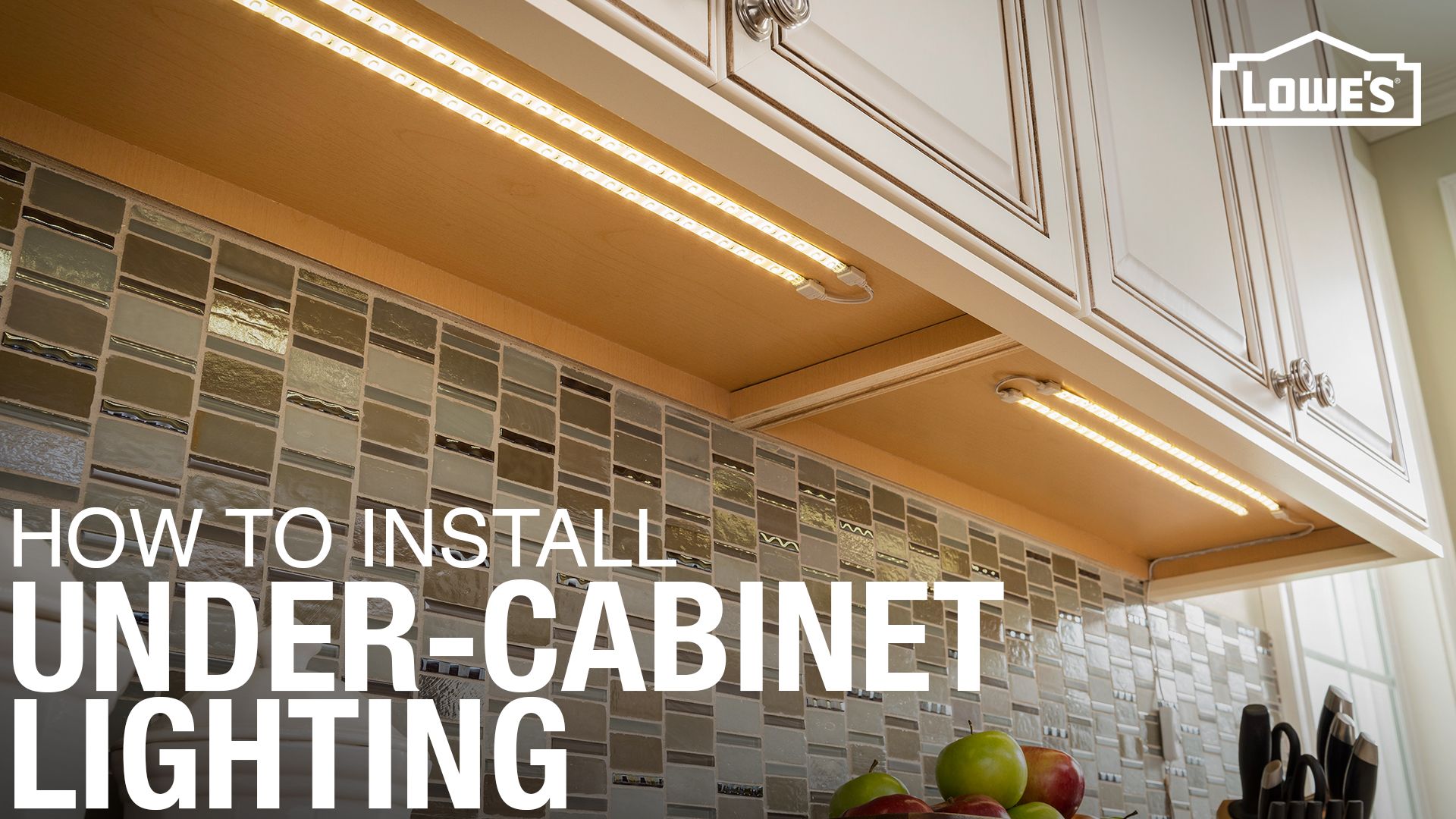
Lighting serves as the most impactful solution for brightening a windowless kitchen sink area. Rather than relying on a single overhead fixture, successful designs layer multiple light sources at different heights and intensities to create depth and eliminate shadows.
Task lighting forms the foundation of any well-lit sink area. Install a recessed light or focused LED fixture directly above the sink to provide shadow-free illumination for washing dishes and food preparation. These fixtures should deliver 300-500 lumens with a color temperature between 3000K-4000K for clean, neutral white light. Under-cabinet LED strips also work exceptionally well for banishing darkness beneath cabinetry.
Ambient lighting fills the room with overall glow and prevents harsh contrasts. Consider recessed cans spread evenly across the ceiling or LED strips tucked into crown molding to wash light upward. Dimmable switches allow you to adjust the ambiance throughout the day.
Accent lighting adds personality while contributing additional light. Pendant lights hung low over a peninsula near the sink draw the eye, while wall sconces mounted on either side of the backsplash introduce balanced light distribution. For best results, position your main task light 24-30 inches above the sink basin.
Create Illusions of Space with Mirrors and Reflective Surfaces
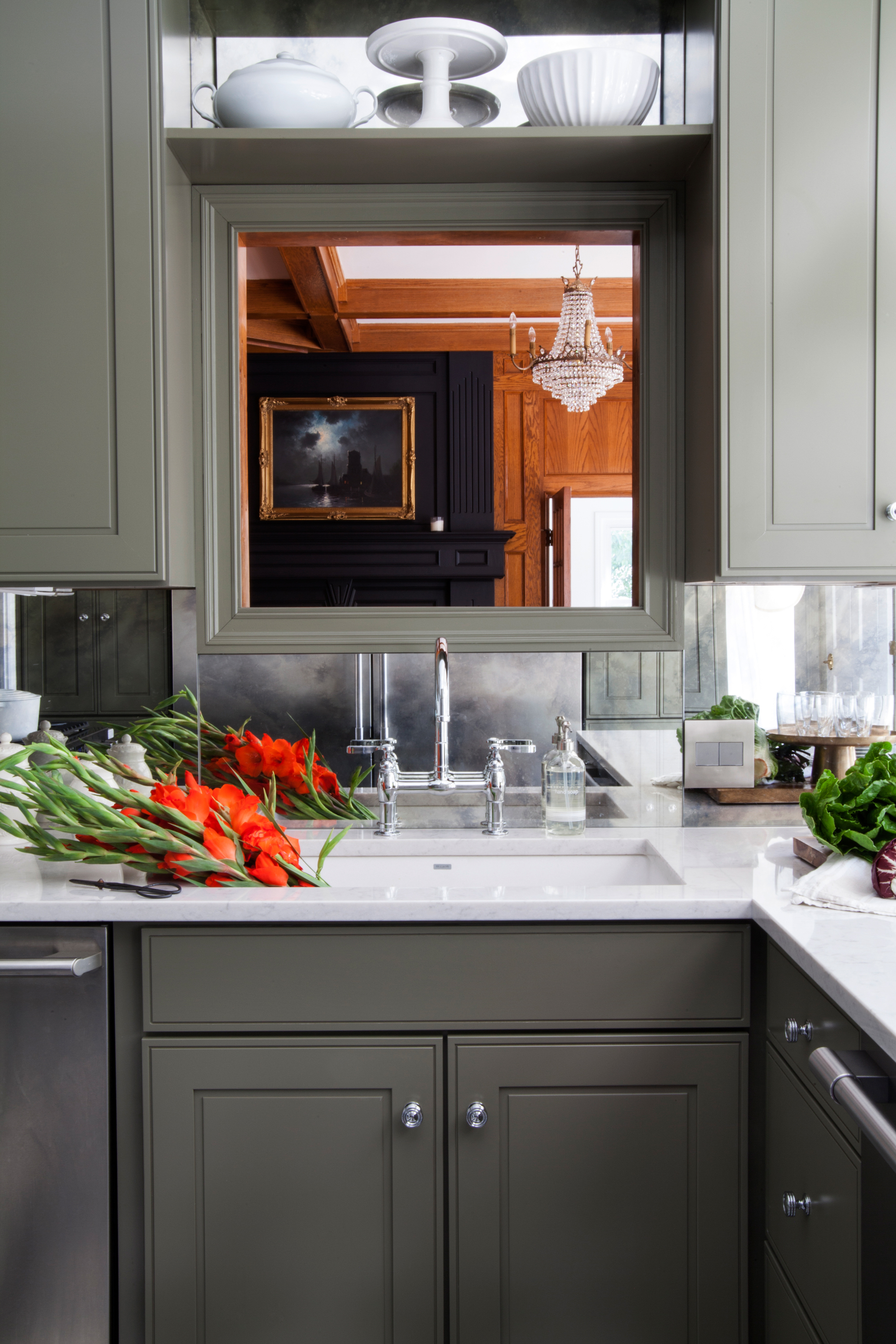
Mirrors function as optical illusions in windowless spaces, virtually expanding square footage by bouncing existing light around the room. When strategically placed near the sink area, mirrors transform a claustrophobic corner into a seemingly open extension of your kitchen.
A single large mirror mounted above the sink serves as the simplest solution. Choose a statement mirror with an interesting frame to add decorative flair while solving the lighting problem. For maximum effect, position the mirror to reflect your brightest light source.
Mirror-tiled backsplashes offer a more dynamic alternative to a single flat mirror. Small mirrored tiles in varying orientations catch and fragment light from multiple angles, creating sparkling visual interest. Keep in mind that mirrored backsplashes require regular cleaning to maintain their sparkle.
Beyond traditional mirrors, incorporate other reflective materials. Glossy cabinet finishes bounce light around the room, while polished quartz countertops add subtle reflection. Stainless steel appliances and fixtures contribute their own reflective quality—just balance these with matte surfaces to prevent the room from feeling cold.
Choose Light Color Schemes That Maximize Brightness
Color selection dramatically influences how bright and spacious your windowless kitchen sink area feels. Light hues reflect more illumination than dark tones, making them essential choices for spaces lacking natural light.
White and off-white foundations form the starting point. White cabinets reflect the most light and create clean sightlines. If pure white feels too stark, consider warm off-whites like alabaster or cream, which retain brightness while adding subtle warmth.
Light-colored countertops in white, light gray, or pale beige prevent the workspace from feeling dark. Quartz, marble-look laminates, and light butcher block all work well. Avoid dark granite that absorbs light and makes the sink area feel cave-like.
For color accents, look to soft pastels and nature-inspired tones. Pale blues and greens evoke water and sky associations, subconsciously connecting the sink area to outdoor feelings. Implement color zoning by using slightly different shades of light colors for cabinets, walls, and trim to create dimension while maintaining an overall airy feel.
Solve Ventilation Without Windows Effectively
Kitchens without windows over the sink require effective ventilation to remove cooking odors, moisture, and airborne grease. Range hoods become even more critical since there’s no window to crack for fresh air.
Wall-mounted range hoods offer powerful extraction capabilities. Look for models with high CFM ratings—600-1200 CFM for gas ranges. Convertible models that can vent externally or recirculate internally provide flexibility depending on your home’s configuration.
Island range hoods work well in open-concept layouts where the cooktop sits on an island. These fixtures descend from the ceiling and require ducting through the ceiling cavity, so proper planning during construction is essential.
Downdraft ventilation systems rise up from behind the cooktop when in use. Modern downdraft systems work well for moderate cooking needs and are ideal for minimalist designs. For complete air management, install a small exhaust fan on a timer near the sink to remove steam and moisture that accumulates during dishwashing.
Optimize Layout to Maximize Perceived Space

Thoughtful layout planning makes the sink area feel more open and functional. How you arrange cabinets and work zones impacts both practical use and perceived openness.
Position the sink to maximize sightlines whenever possible. Placing the sink where it faces the most open area of the kitchen creates a more pleasant dishwashing experience. If floor plan constraints force the sink against an interior wall, orient the faucet toward brighter spaces.
Create open sightlines through strategic cabinet placement. Glass-front cabinets or open shelving near the sink maintains visual connectivity. If full glass fronts feel too open, consider glass inserts in select upper cabinet doors.
Minimize upper cabinets on at least one side of the sink. Removing upper cabinets on one wall and replacing them with open shelving dramatically opens the space and allows light to travel further into the kitchen.
Maximize Storage While Preserving Brightness
Windowless kitchens require creative storage solutions to maintain functionality without contributing to clutter or darkness.
Pull-out storage solutions maximize every inch of cabinet space. Deep pull-out pantry shelves and blind corner lazy susans ensure nothing gets lost in dark corners. These mechanisms bring items to you rather than forcing you to search through shadowed interiors.
Drawer organization systems outperform cabinets in many sink-area applications. Install dividers and custom inserts to organize everyday items. Soft-close drawer glides make accessing contents smooth, while LED drawer lighting illuminates contents when opened.
Vertical storage solutions draw the eye upward. Mounted pot racks, utensil rails, and magnetic knife strips keep frequently used items accessible while freeing counter space. This approach keeps surfaces clear to maximize light reflection.
Enhance Backsplash and Flooring for Light Reflection
Backsplash and flooring choices complete the visual transformation of your windowless sink area.
Light-colored backsplash tiles in white, cream, or light gray reflect light and create visual continuity. Large-format tiles with minimal grout lines reduce visual fragmentation and appear brighter than small tiles. Glass tile and mirrored backsplashes maximize light reflection—use these selectively as accent areas.
White or light flooring grounds the bright aesthetic. Light oak, maple, or bamboo flooring reflects light upward. Large-format porcelain tiles in light gray work well in moisture-prone areas near the sink and offer easy cleanup.
Add Living Elements for Personality Without Natural Light
Even without natural window light, you can introduce organic life that makes the sink area feel welcoming.
Low-light houseplants thrive with proper supplemental lighting. Snake plants, pothos, and ZZ plants tolerate lower light conditions. Position them on open shelves to bring nature indoors. If real plants struggle, high-quality artificial plants offer similar visual benefits.
Artwork and decorative mirrors inject personality. A large statement mirror above the sink serves both functional and decorative purposes. Choose artwork with light, airy subjects to reinforce the bright aesthetic.
Open shelving with displayed items creates built-in decorating opportunities. Arrange a curated collection of white dishes and glassware on open shelves near the sink to add visual interest while keeping everyday items accessible.
Transforming a kitchen sink area without a window from a dark corner into a bright, functional centerpiece requires layering multiple strategies—strategic lighting, reflective surfaces, thoughtful color choices, and smart layout decisions. Start with one or two solutions that address your specific challenges, whether that’s installing better task lighting or adding a statement mirror. With these kitchen sink ideas for windowless kitchens, your space can feel just as open and inviting as any windowed kitchen, proving that natural light isn’t the only path to a beautiful cooking environment. Regular maintenance of your light fixtures and reflective surfaces will ensure your windowless sink area remains bright and welcoming for years to come.