That stainless steel basin where you wash dishes, prep meals, and rinse produce is far more sophisticated than it appears. When you turn the faucet handle, clean water flows instantly. When you pull the stopper, wastewater disappears without a trace of sewer odor. This seamless operation relies on an intricate dance between pressurized supply lines, mechanical valves, and gravity-fed drainage systems working in perfect harmony. Understanding how your kitchen sink works empowers you to tackle minor repairs confidently and communicate effectively with professionals when major issues arise. You’ll discover exactly how water enters your sink, flows through the faucet mechanism, and exits through the drainage system—all while preventing dangerous sewer gases from entering your home.
Water Supply Lines and Shut-Off Valve Operation

Your kitchen sink receives water through two dedicated supply lines hidden beneath the cabinet—hot and cold water arrive via separate pipes from your home’s main plumbing system. These flexible connections, typically made of braided stainless steel or copper, attach directly to quarter-turn shut-off valves mounted on the wall or cabinet floor. When you turn these valves clockwise, they block water flow to your sink without disrupting your entire home’s plumbing—a critical safety feature during emergencies or repairs.
Why flexible supply lines fail prematurely
Flexible supply lines develop problems when mineral deposits accumulate at connection points or when constant water pressure causes microscopic vibrations. Look for small water droplets forming at the base of the connection nut—that’s your first warning sign of an impending leak. Replace supply lines every 5-7 years regardless of visible issues, as the internal rubber seals degrade over time even when no leaks appear. When installing new lines, hand-tighten connections first, then give a quarter-turn with pliers—over-tightening cracks fittings and creates immediate leaks.
Proper shut-off valve maintenance schedule
Many homeowners discover their shut-off valves are frozen solid when they need them most. Test both hot and cold valves monthly by turning them fully off and back on. If resistance occurs, apply penetrating oil and work the valve gently until it operates smoothly. Never force a stiff valve—this often breaks the internal mechanism, requiring full replacement. Keep replacement valves on hand that match your specific plumbing configuration (compression,¼-turn, or multi-fit), as plumbing standards have changed over decades of home construction.
Single-Handle Faucet Cartridge Replacement Process
Modern kitchen faucets predominantly use ceramic disc cartridges that control both water temperature and flow with a single handle. Unlike older washer-based systems that require frequent part replacements, ceramic discs withstand millions of operations thanks to their extreme hardness. When your faucet develops drips or inconsistent temperature control, the cartridge has likely worn out or accumulated mineral deposits that prevent proper sealing.
Step-by-step cartridge replacement in 15 minutes
- Shut off both hot and cold water valves beneath the sink
- Remove the decorative cap on top of the faucet handle
- Unscrew the handle mounting screw and lift off the handle
- Use a cartridge puller tool to extract the old cartridge
- Clean the cartridge housing thoroughly with vinegar
- Insert the new cartridge ensuring proper alignment
- Reassemble in reverse order and test operation
Keep your faucet’s model number handy when purchasing replacements—cartridge designs vary significantly between manufacturers and even between product lines from the same brand. Professional plumbers always replace both hot and cold cartridges simultaneously since they experience identical wear patterns.
P-Trap Cleaning Without Creating a Mess

The U-shaped pipe beneath your sink—the P-trap—is your kitchen’s first line of defense against sewer gases. This simple component maintains a water seal that blocks noxious fumes while allowing wastewater to flow freely. When your sink drains slowly, the clog most often resides in the P-trap’s accessible curves rather than deeper in the main drain line. Cleaning it properly prevents messy spills and identifies whether the problem requires simple maintenance or professional intervention.
Safe P-trap disassembly technique
Place a shallow bucket directly beneath the P-trap before loosening any connections. Start by unscrewing the slip nut at the tailpiece connection (the straight pipe from your sink drain), then the nut connecting to the drainpipe. As you separate the sections, support the trap to control water drainage—typically 1-2 cups will empty into your bucket. Use needle-nose pliers to extract debris from both the curved section and connecting pipes. Reassemble with new slip nut washers to prevent future leaks, and run water to check for drips before putting everything back under the sink.
When to call a plumber instead of DIY
If water backs up immediately after cleaning the P-trap or multiple fixtures in your home drain poorly simultaneously, the blockage likely exists in the main sewer line. Attempting to snake beyond the P-trap without proper equipment often pushes clogs deeper, creating more expensive problems. Persistent foul odors after P-trap cleaning indicate a venting issue that requires professional diagnosis—never ignore sewer gas smells as they contain hazardous methane and hydrogen sulfide.
Garbage Disposal Drainage Best Practices
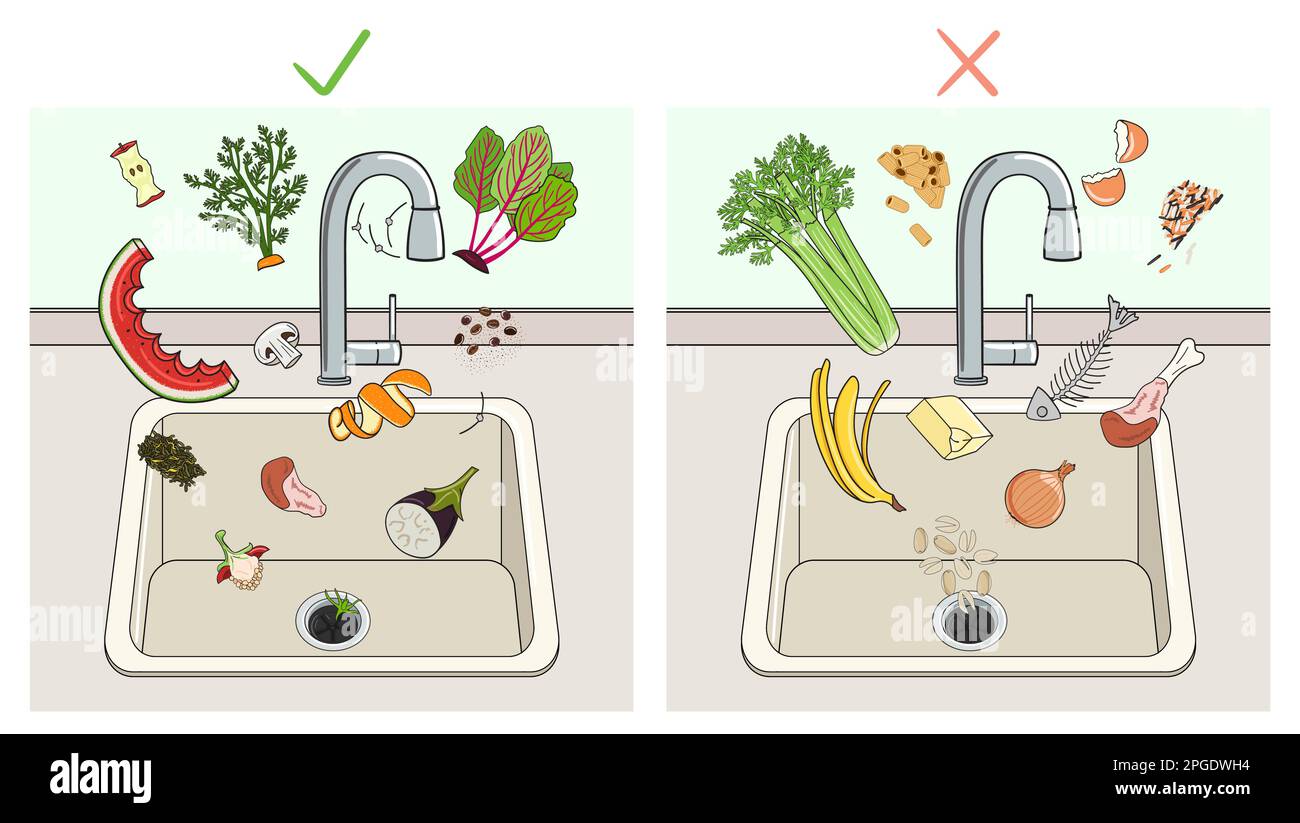
Kitchen sinks with garbage disposals introduce additional complexity to the drainage system. The disposal unit mounts between the sink drain and P-trap, grinding food waste into slurry that flows through standard drainpipes. Improper usage creates clogs that affect not just your sink but potentially your entire kitchen drainage network.
Foods that destroy garbage disposals
Fibrous vegetables like celery and asparagus wrap around disposal impellers, causing motor burnout. Starchy foods such as pasta and rice expand when mixed with water, creating concrete-like clogs in drainpipes. Coffee grounds accumulate in pipe bends, eventually forming impenetrable blockages. Save these items for composting rather than risking costly plumbing repairs. Always run cold water when operating the disposal—hot water melts grease that later solidifies in pipes.
Monthly disposal maintenance routine
Prevent odors and buildup by grinding ice cubes monthly to scour the grinding chamber. Follow with a cup of baking soda and vinegar, then flush with hot water. Never use chemical drain cleaners in disposal units—they corrode components and create dangerous fumes when mixed with food particles. If the disposal hums but doesn’t turn, check the reset button on the unit’s bottom before assuming motor failure.
Vent Stack Function and Failure Symptoms
:strip_icc()/venting-sink-toilet-bathtub-diagram-6fe98bed-a3fbe89aa95f45b0a98754e849ad13fa.jpg)
Hidden from view but critical to proper operation, your home’s plumbing vent system allows air to enter drainpipes as wastewater flows out. These vertical pipes extend through your roof, maintaining atmospheric pressure that enables smooth drainage. When vents become blocked by debris, ice, or bird nests, your sink exhibits telltale symptoms that distinguish vent problems from simple clogs.
Recognizing vent system failures
Gurgling sounds from your sink drain during toilet flushes indicate negative pressure pulling water from the P-trap. Multiple fixtures draining poorly simultaneously suggests a main vent blockage rather than isolated clogs. Water draining slowly then suddenly rushing indicates intermittent venting as air struggles to enter the system. Never ignore these symptoms—prolonged vent issues can siphon all water from P-traps, allowing dangerous sewer gases to enter your home.
Temporary vent problem solutions
While permanent vent repairs require roof access, you can temporarily restore drainage by opening a nearby window to equalize pressure. For immediate relief during cooking emergencies, carefully remove the P-trap cleanout plug to introduce air directly into the drain system. Contact a plumber promptly for proper vent inspection—DIY attempts to clear roof vents often create safety hazards without resolving the underlying blockage.
Preventative Maintenance Schedule for Longevity
Kitchen sink problems rarely strike without warning signs. Implementing a simple monthly maintenance routine prevents 80% of common plumbing failures and extends your system’s lifespan significantly. Track these critical maintenance tasks on your calendar to avoid costly emergency repairs.
Monthly sink care checklist
- Remove and clean aerator under running water
- Run hot water for 30 seconds to clear grease buildup
- Inspect supply lines for moisture or corrosion
- Test shut-off valves for smooth operation
- Check cabinet floor for water accumulation
- Run disposal with citrus peels to eliminate odors
Annual professional inspection points
- Pressure test supply lines for hidden leaks
- Inspect P-trap seals and replace washers
- Verify proper drain slope in accessible pipes
- Check vent stack integrity from roof access
- Evaluate water pressure throughout home
- Assess corrosion on metal components
Regular maintenance pays dividends—most kitchen sink repairs under $150 become $500+ emergencies when ignored. Simple tasks like aerator cleaning take minutes but prevent mineral buildup that restricts flow and damages internal components over time.
Key Takeaways for Sink System Mastery
Your kitchen sink operates through an elegant interplay of pressurized supply lines, precision faucet mechanisms, and gravity-dependent drainage components working in concert. Understanding these systems transforms confusing malfunctions into diagnosable problems with clear solutions. When water drips, flows weakly, or drains slowly, you’ll recognize whether the issue lies with supply valves, faucet cartridges, P-traps, or vent systems. Implementing the monthly maintenance routine outlined here prevents most common failures while extending your sink’s service life dramatically. Remember that persistent gurgling indicates vent problems, slow drainage usually means accessible clogs, and drips beneath the sink point directly to failing connections. With this knowledge, you’ll handle minor repairs confidently and make informed decisions when professional help becomes necessary—keeping your kitchen functioning smoothly for years to come.