Many homeowners dream of adding a casual dining space to their kitchen but feel overwhelmed by the construction process. A breakfast bar offers the perfect solution – transforming your kitchen into a multifunctional space where family and friends can gather. Without proper planning, however, what should be a simple upgrade can turn into a costly mistake. This guide walks you through the essential considerations for creating a functional breakfast bar that enhances your kitchen’s layout while avoiding common pitfalls that lead to wasted space and budget overruns.
When designed correctly, a breakfast bar becomes the heart of your kitchen – a place for quick meals, homework sessions, and spontaneous conversations. The key lies in understanding how this feature integrates with your existing kitchen workflow rather than treating it as an afterthought. By following thoughtful planning steps and making informed decisions about placement and proportions, you can create a breakfast bar that feels like it was always meant to be part of your kitchen design.
Planning Your Breakfast Bar Layout
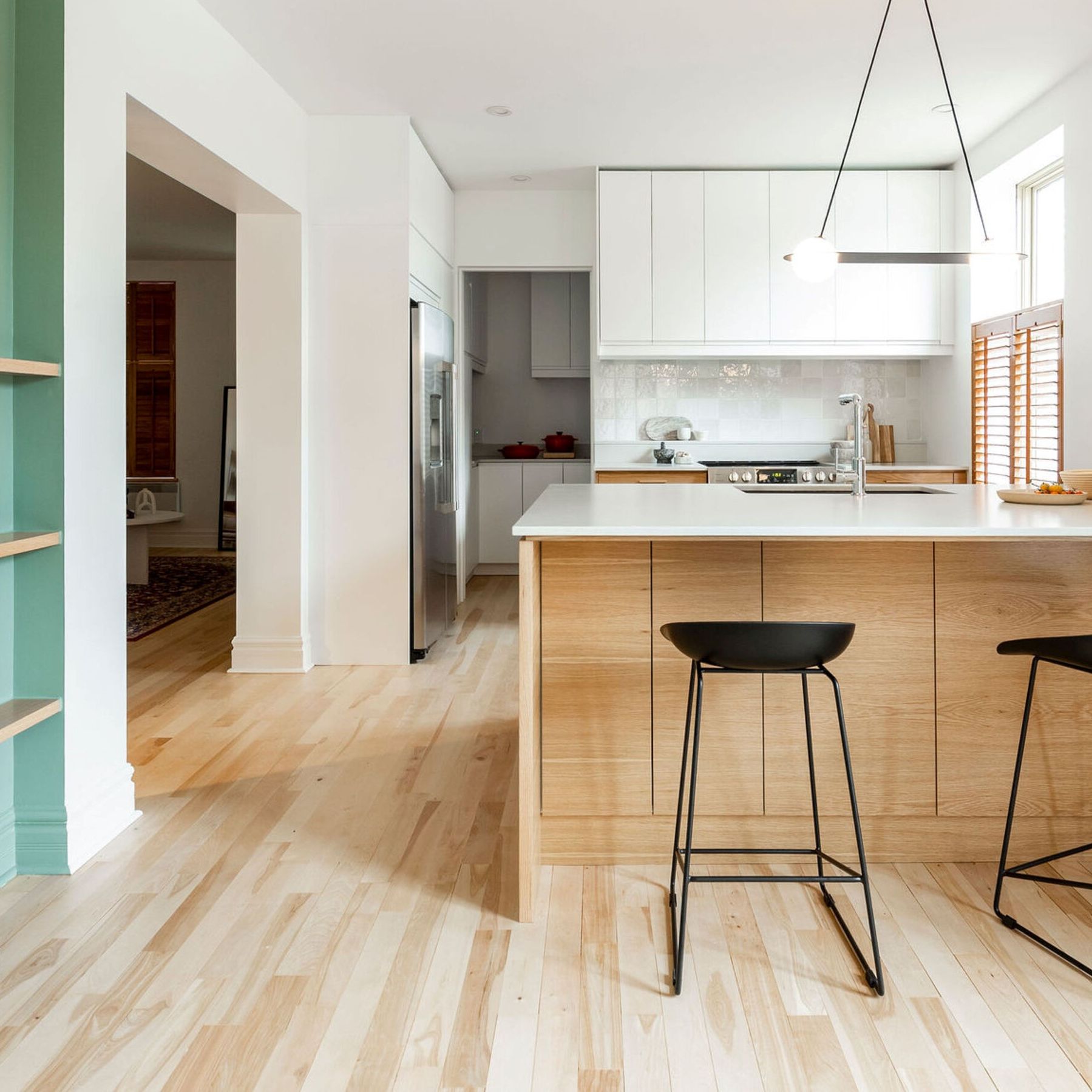
Before purchasing materials or making any structural changes, carefully evaluate your kitchen’s existing layout to determine the optimal breakfast bar placement. Your kitchen’s traffic patterns and workflow zones must accommodate this new feature without disrupting the essential cooking triangle between refrigerator, sink, and stove. Measure your available space to ensure adequate clearance – a minimum of 36 inches between the bar edge and opposing cabinets allows for comfortable movement while seated.
What Space Requirements Should You Consider?
Kitchen designers recommend allocating at least 24 inches of width per seating position, with 30 inches being ideal for comfortable elbow room. For homes with children or frequent guests, planning for three to four seating positions typically provides the best flexibility. The bar overhang requires special attention – a standard 12-inch overhang accommodates most seating arrangements, while deeper 15-inch overhangs work better for taller stools or built-in storage beneath the counter.
How Does Your Kitchen Configuration Affect Design Options?
Existing kitchen layouts determine your breakfast bar possibilities. In galley kitchens with parallel countertops, extending one counter creates a natural peninsula-style breakfast bar. L-shaped kitchens often benefit from extending the shorter leg to form a comfortable eating area. For open-concept spaces, consider whether your breakfast bar should connect to adjacent rooms or maintain clear separation between cooking and living areas. The relationship between your breakfast bar and other kitchen elements significantly impacts both functionality and visual appeal.
Selecting Appropriate Materials and Heights

Choosing the right counter height creates the foundation for a comfortable breakfast bar experience. Standard kitchen counters sit at 36 inches, but breakfast bars typically require 42-inch height to accommodate proper seating. This 6-inch difference ensures adequate leg clearance when using standard bar stools. When integrating your breakfast bar with existing counters, create a smooth transition between heights using a stepped design that maintains visual continuity while serving distinct functions.
What Counter Materials Work Best for Breakfast Bars?
Durable surfaces withstand daily use while complementing your kitchen’s aesthetic. Solid surface materials offer seamless integration with main countertops and resist stains from morning spills. Wood butcher block provides warmth but requires regular maintenance to prevent water damage. Laminate offers budget-friendly durability with countless design options that can match or contrast with your main kitchen counters. Consider how your material choice affects seating comfort – softer edges on wood or rounded laminate edges prevent accidental bumps during casual use.
How Do You Determine the Right Seating Height?
Matching stool height to your breakfast bar prevents uncomfortable dining experiences. For standard 42-inch bars, select stools with 28-30 inch seat heights. Test seating arrangements before finalizing your design – have family members sit at temporary heights to evaluate comfort. Remember that footrests significantly improve comfort during extended seating, especially for children whose feet don’t reach the floor. The relationship between counter height, stool height, and legroom creates the foundation for a breakfast bar you’ll actually use daily.
Structural Support and Installation Considerations
Breakfast bars require proper structural support to handle daily use and prevent sagging over time. Unlike standard counters that receive support along their entire length, breakfast bars often feature extended overhangs that need reinforcement. Support brackets installed every 16-24 inches underneath the counter provide necessary stability, especially for heavier materials like stone or solid wood. For spans exceeding four feet, consider adding a central support leg or decorative column to prevent deflection.
What Support Options Work Best for Different Bar Designs?
Wall-mounted breakfast bars benefit from securing the counter directly to wall studs using heavy-duty brackets that distribute weight evenly. Freestanding peninsula designs require leg supports at both ends and possibly in the middle for longer spans. The connection point where your breakfast bar meets existing cabinetry needs special attention – improper attachment leads to separation and structural issues over time. Visual inspection of support structures during installation prevents future problems that compromise both safety and aesthetics.
How Can You Integrate Electrical and Lighting Features?
Strategic lighting transforms your breakfast bar from purely functional to inviting. Under-cabinet lighting along the bar’s edge creates focused task lighting while minimizing shadows. Consider installing outlets beneath the counter edge for charging devices or powering small appliances – this requires planning during the framing stage. Recessed ceiling lights positioned directly above the bar provide general illumination without creating glare on food preparation surfaces. Thoughtful integration of these elements during installation avoids costly modifications later.
Final Design Touches and Functionality Enhancements
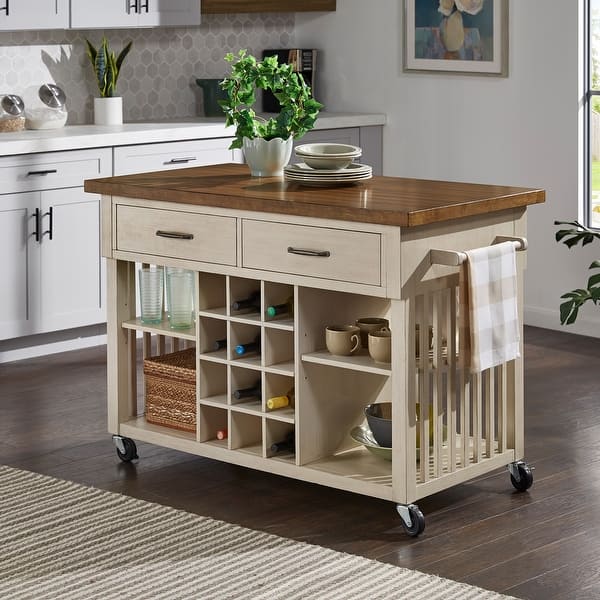
The most successful breakfast bars incorporate storage solutions that maintain kitchen organization. Consider adding open shelving beneath the counter for displaying decorative items or storing frequently used breakfast dishes. Built-in wine racks or coffee stations integrated into the bar structure maximize functionality without cluttering main kitchen counters. For families with children, incorporating a lower section of the bar creates an accessible homework or craft area that grows with your family’s changing needs.
What Layout Mistakes Should You Avoid?
Homeowners frequently make breakfast bars too narrow, leaving insufficient room for plates and drinks alongside morning newspapers or tablets. Ensure your design includes at least 15 inches of depth beyond the seating edge for comfortable meal placement. Another common error involves positioning the bar too close to cooking areas, creating safety hazards from hot pans and steam. Maintain at least 48 inches between your stove and breakfast bar seating area to prevent accidents while allowing comfortable movement.
How Can You Maximize Your Breakfast Bar’s Versatility?
Design your breakfast bar to serve multiple functions throughout the day. Incorporate a small section with lower counter height for children’s use that doubles as a homework station. Consider adding a pull-out shelf underneath for extra seating during gatherings. For small kitchens, fold-down or swing-out bar sections provide flexibility, disappearing when not in use. The most successful breakfast bars evolve with your family’s changing needs rather than serving a single purpose.
Maintaining Your Breakfast Bar Investment
Regular cleaning preserves your breakfast bar’s appearance and functionality. Use appropriate cleaners for your specific counter material – abrasive cleaners damage some surfaces while inadequate cleaning leaves residue on others. Inspect support structures annually for signs of stress or loosening connections, especially where the bar attaches to main cabinetry. Address minor scratches or wear immediately to prevent more extensive damage that requires professional repair.
Creating a functional breakfast bar requires thoughtful planning but delivers significant lifestyle benefits. By considering traffic patterns, selecting appropriate materials, ensuring proper support, and incorporating smart design features, you’ll create a kitchen centerpiece that enhances daily routines and special gatherings alike. The most successful breakfast bars feel like natural extensions of your kitchen rather than afterthought additions, seamlessly integrating form and function for years of enjoyment. Remember that proper planning prevents costly mistakes – taking time to evaluate your specific needs and space constraints results in a breakfast bar that truly enhances your kitchen experience.