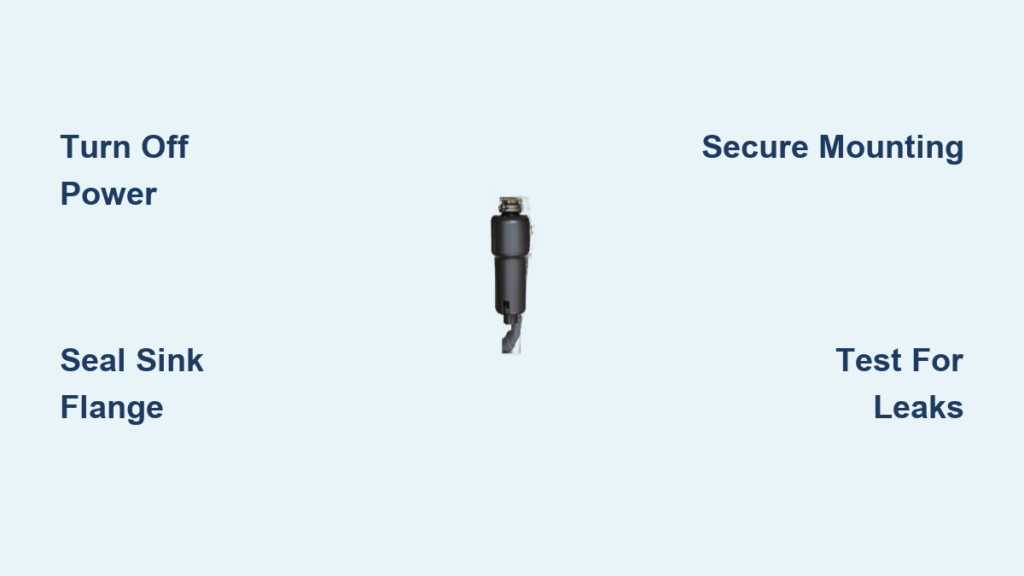
Is your old garbage disposal making strange noises or leaking underneath your sink? Maybe you’re renovating your kitchen and need to replace that outdated unit. Whatever your reason, installing a new kitchen disposal can seem intimidating at first glance. But with the right approach, most homeowners can complete this project in under two hours without calling a plumber. In this guide, you’ll discover exactly how to install a kitchen disposal safely and correctly, avoiding common mistakes that could lead to leaks, electrical issues, or damaged cabinets.
Kitchen disposals are essential kitchen appliances that save time and prevent sink clogs, but improper installation causes more than half of all disposal problems homeowners face. Following the correct installation process ensures your new unit will function efficiently for years to come. Whether you’re replacing an old disposal or installing one for the first time, this comprehensive guide provides all the information you need to get the job done right.
Essential Tools and Materials Checklist Before You Begin
Before removing your old disposal or unpacking the new one, gather these critical items to ensure a smooth installation process. Having everything ready prevents frustrating mid-project trips to the hardware store and keeps your workspace organized.
Must-Have Installation Tools
- Screwdrivers (both flathead and Phillips)
- Adjustable wrench or pliers
- Plumber’s putty or silicone sealant
- Hammer
- Wire nuts and electrical tape
- Flashlight or work light
- Bucket and towels (for potential water spills)
Critical Safety Equipment You Can’t Skip
- Safety glasses to protect your eyes from debris
- Work gloves to prevent cuts from sharp pipes
- Non-slip shoes to maintain stability under the sink
- Circuit tester to verify power is disconnected
Pro Tip: Place a towel in the sink basin before starting work. This catches small parts that might fall down the drain during disassembly.
Disconnecting Your Old Disposal Safely and Properly

The first critical step in how to install a kitchen disposal involves safely removing the existing unit without damaging your plumbing or electrical connections. Many homeowners rush this phase, leading to unnecessary complications during the new installation.
How to Disconnect Electrical Wiring Without Risk
- Locate your home’s circuit breaker and switch off power to the disposal circuit
- Use a circuit tester at the disposal to confirm no electricity is flowing
- Remove the electrical cover plate on the bottom of the disposal
- Take a photo of the wiring configuration before disconnecting anything
- Unscrew wire nuts and separate the black (hot), white (neutral), and green (ground) wires
Warning: Never assume the power is off—always test with a circuit tester. Electrical shock from improper disposal wiring causes hundreds of injuries annually.
Removing Plumbing Connections Without Creating Leaks
- Place a bucket beneath the P-trap to catch residual water
- Loosen slip-nut connections using an adjustable wrench
- Carefully remove the drain pipe and P-trap assembly
- Disconnect the dishwasher hose if applicable
- Remove mounting assembly bolts securing the disposal to the sink flange
If you encounter stubborn connections, apply penetrating oil and wait 10 minutes before trying again—never force connections as this can crack pipes.
Preparing Your Sink for New Disposal Installation
Proper preparation of your sink drain opening ensures a watertight seal and prevents future leaks. This often-overlooked step makes the difference between a disposal that lasts for years versus one that starts leaking within months.
Cleaning and Preparing the Sink Flange Area
- Remove all old plumber’s putty residue from around the sink drain opening
- Thoroughly clean the area with rubbing alcohol to remove grease and oils
- Inspect the sink flange for cracks or damage that would require replacement
- Apply a fresh bead of plumber’s putty around the new sink flange gasket
Installing the Mounting Assembly Correctly
- Insert the new mounting assembly through the sink drain opening
- Tighten the mounting ring securely from below the sink
- Verify the assembly rotates freely—this is crucial for proper disposal mounting
- Wipe away excess plumber’s putty that squeezes out around the flange
Expert Note: The mounting assembly must be perfectly level. Use a small level to check before proceeding—uneven installation causes premature wear and leaks.
Mounting Your New Kitchen Disposal Unit
With your sink properly prepared, you’re ready for the core step in how to install a kitchen disposal. This phase requires careful alignment and secure mounting to prevent vibration and noise during operation.
Positioning and Securing the Disposal
- Lift the new disposal unit and align it with the mounting assembly
- Rotate the disposal until the mounting tabs line up with the assembly slots
- Lower the disposal into position while turning it clockwise
- Continue rotating until the disposal locks securely into place
Check that the disposal hangs straight and doesn’t wobble when gently pushed. If it does, reposition and remount it.
Connecting Drain Pipes for Optimal Flow
- Attach the discharge tube to the disposal’s side outlet
- Reinstall the P-trap with proper slope (¼ inch per foot toward the wall)
- Hand-tighten slip nuts first, then give a quarter-turn with pliers
- Avoid over-tightening, which can crack plastic pipes
Time-Saving Tip: Apply a small amount of plumber’s grease to pipe threads before connecting—this makes future maintenance much easier.
Electrical Connections: Making Safe and Code-Compliant Wiring
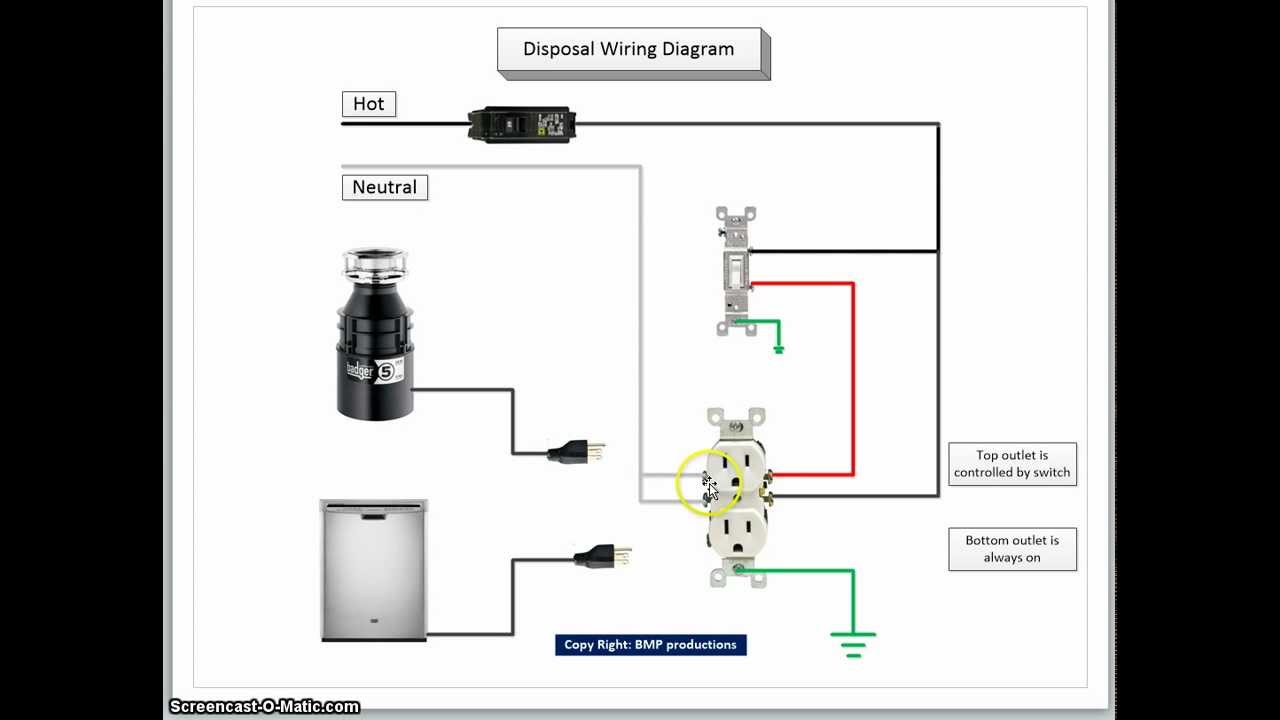
Proper electrical installation is non-negotiable when learning how to install a kitchen disposal. Incorrect wiring creates serious shock and fire hazards that compromise your home’s safety.
Step-by-Step Wiring Process
- Feed the electrical cable through the disposal’s knock-out plug
- Strip ½ inch of insulation from each wire end
- Connect black-to-black, white-to-white, and green-to-ground screw
- Secure connections with wire nuts and wrap with electrical tape
- Tuck wires neatly into the electrical compartment
- Replace the cover plate securely
Testing Electrical Safety Before Final Assembly
- Double-check all connections are tight and secure
- Verify no bare wire is exposed beyond the wire nuts
- Perform a visual inspection of all connections
- Leave power off until plumbing connections are complete and tested
Critical Warning: If you’re uncomfortable with electrical work, hire a licensed electrician. Disposals require a dedicated 120-volt circuit with proper grounding.
Testing Your Installation for Leaks and Proper Function
Before celebrating your successful installation, thorough testing prevents messy surprises when you first use your new disposal.
Leak Testing Procedure That Finds Hidden Problems
- Fill the sink with a few inches of water
- Release the stopper and watch all connections for drips
- Check under the sink with a flashlight for any moisture
- Run water for 2-3 minutes to test under continuous flow
- Tighten any connections showing even minor leaks
Operational Testing for Performance Issues
- Restore power at the circuit breaker
- Run cold water and turn on the disposal
- Listen for unusual grinding or humming sounds
- Test with small food scraps to verify grinding performance
- Check for vibrations that might indicate improper mounting
Pro Tip: Keep the disposal running for 15-20 seconds after grinding stops to ensure all waste clears the drain line.
Common Installation Mistakes That Cause Future Problems
Even experienced DIYers make these critical errors when installing kitchen disposals. Avoiding them ensures your new unit performs reliably for years.
The Mounting Assembly Leveling Error
Failing to ensure the mounting assembly is perfectly level creates stress points that lead to leaks within months. Always use a small level during installation.
The Over-Tightening Plumbing Trap
Many homeowners overtighten P-trap connections, which cracks plastic pipes and creates leaks. Hand-tighten first, then give only a quarter-turn with tools.
The Missing Air Gap for Dishwasher Connection
Not installing an air gap for the dishwasher connection violates plumbing codes in many areas and creates backflow risks. Always check local regulations.
Maintenance Tips to Extend Your Disposal’s Lifespan
Your installation work isn’t complete without understanding proper maintenance. These simple habits prevent 90% of common disposal problems.
Weekly Cleaning Routine
- Run ice cubes through the disposal to clean blades
- Follow with citrus peels for freshening
- Use a dedicated disposal cleaner monthly
- Never put fibrous foods, grease, or expandable items down the drain
Monthly Maintenance Checklist
- Inspect for leaks under the sink
- Check mounting bolts for tightness
- Clean the splash guard regularly
- Verify proper drainage speed
Final Note: A properly installed kitchen disposal should operate quietly with no leaks or unusual vibrations. If you encounter persistent issues after installation, consult the manufacturer’s troubleshooting guide or contact a professional plumber. Regular maintenance prevents most problems, but knowing how to install a kitchen disposal correctly from the start saves you time, money, and potential water damage down the line. Keep this guide handy for future reference—you’ll appreciate having these installation insights when it’s time to replace your unit years from now.