Standing water pooling in your kitchen sink as you stare at a mountain of dirty dishes is one of the most frustrating household emergencies you’ll face. That slow-draining gurgle or complete blockage prevents basic food preparation and dishwashing, disrupting your entire kitchen workflow. Most kitchen drain clogs develop from daily accumulation of grease, food scraps, soap scum, and other debris that gradually narrows your pipes. The good news? Nearly 90% of kitchen sink clogs respond to DIY methods before requiring professional help. This guide delivers step-by-step solutions tailored to your specific clog severity, so you can restore proper drainage in under an hour using tools and supplies you likely already have at home.
Diagnose Your Drain Blockage Type First
Before grabbing tools, determine exactly what’s blocking your drain to choose the most effective solution. Mild clogs show only slow drainage—water eventually disappears but takes noticeably longer than usual, indicating early buildup near the drain opening. Moderate clogs leave standing water that drains extremely slowly, suggesting the obstruction has grown larger or moved further into the plumbing. Severe clogs feature standing water that refuses to drain at all, pointing to a complete blockage in the P-trap or deeper in the drain line. Garbage disposal-related clogs often affect both sides of a double sink simultaneously and may include a humming sound when the disposal activates.
This diagnosis saves you from wasting time with ineffective methods. Mild clogs typically respond to boiling water or baking soda treatments. Moderate clogs require plunging or P-trap cleaning. Severe blockages demand drain snake intervention or professional help. Clogs involving garbage disposals need specific disposal troubleshooting before addressing the drain itself. Taking two minutes to assess your clog’s severity prevents hours of frustration from using mismatched unclogging techniques.
Eliminate Standing Water Before Proceeding
Remove all standing water from your sink using a cup, bowl, or bucket to bail out the liquid before attempting any unclogging method. This critical step serves three purposes: it allows accurate assessment of clog severity, prevents messy splashing during plunging, and reduces the mess when removing plumbing components. Wear rubber gloves throughout this process to protect against bacteria in dirty sink water.
Standing water removal also significantly improves unclogging effectiveness. Boiling water works better when it contacts the clog directly rather than heating a basin of cold water first. Chemical drain cleaners concentrate more effectively on obstructions without being diluted by standing water. Plunging creates stronger pressure against the clog when the sink contains only enough water to submerge the plunger’s cup. Skipping this step often leads to failed unclogging attempts—you’ll wonder why your methods aren’t working when the real issue was excessive standing water diluting your efforts.
Apply Natural Drain Unclogging Solutions
Natural methods offer the safest, most economical approach for mild to moderate clogs using common household ingredients without harsh chemicals that can damage pipes or create safety hazards.
Flush with Boiling Water
This method works best on grease, food particles, or soap scum clogs that haven’t fully solidified. Bring a large pot of water to a rolling boil, then slowly pour it directly down the drain in two or three stages with several seconds between pours. The initial pour heats the pipe and softens the clog, while subsequent pours push loosened debris further down. Wait a few minutes, then test by running cold water.
Critical warning: Never use boiling water on PVC pipes—extreme heat can soften plastic and cause leaks. Avoid this method for garbage disposal drains where thermal shock may damage internal components. For these situations, use water that’s hot but not actively boiling.
Baking Soda and Vinegar Treatment
This combination creates a natural chemical reaction that breaks down clogs while deodorizing your drain. After removing standing water, pour half a cup of baking soda down the drain followed immediately by half a cup of white vinegar. The mixture will bubble vigorously—cover the drain quickly with a stopper or wet cloth to contain the reaction downward.
Allow 15-30 minutes for the reaction to work, then flush with hot water. The carbon dioxide gas creates pressure that dislodges blockages while the foam dissolves grease. For stubborn clogs, use a full cup of each ingredient or repeat the process. This method works safely on all pipe types including PVC, copper, and galvanized steel.
Salt and Hot Water Enhancement
Coarse salt adds abrasive action to hot water treatment, scouring pipe walls while breaking down grease. Pour half a cup of table salt directly into the drain after removing standing water. Let it sit for a few minutes to contact grease buildup, then follow with hot (not boiling) water from a full kettle.
The salt crystals provide mechanical abrasion that removes stuck-on material while hot water dissolves grease. This combination addresses both the clog and residue coating pipe interiors. Repeat several times if initial attempts show improvement but don’t fully resolve the blockage. This approach also works well as monthly preventive maintenance.
Implement Mechanical Unclogging Methods
:max_bytes(150000):strip_icc()/unblock-a-sink-with-a-snake-2718783-hero-c6ea29f0800646138972390d86116f50.jpg)
When natural methods fail, mechanical techniques apply physical force to dislodge stubborn blockages requiring more effort but often delivering results.
Plunge Effectively
A plunger creates hydraulic pressure that dislodges clogs in the trap or further down the drain line. Ensure several inches of water remain to submerge the plunger’s cup. Position directly over the drain and press down firmly to create a tight seal. Pump vigorously for 20-30 seconds while maintaining the seal, then pull away abruptly to create suction.
This pressure-and-suction action breaks apart clog material. For double-bowl sinks, stuff a wet rag into the opposite drain to concentrate suction on the clogged side—the rag must create an airtight seal. If improvement occurs but drainage remains slow, repeat the sequence until water flows freely.
Employ a Drain Snake
When clogs resist plunging, a drain snake reaches deeper obstructions. Place a bucket beneath the P-trap and remove it to access the drainpipe. Insert the snake’s end into the pipe opening and turn the handle clockwise to feed the cable further. Continue until you encounter resistance (the clog location).
Rotate the snake back and forth while applying firm pressure to break the clog apart or hook material for retrieval. When resistance diminishes, slowly pull the snake back, bringing debris with it. Reassemble the P-trap and test the drain. This method reaches clogs beyond the P-trap that other techniques cannot touch.
Straighten a Wire Hanger
Without a proper drain snake, a straightened wire coat hanger can reach nearby clogs. Straighten the hanger while leaving a small hook at one end. Insert carefully into the drain and maneuver downward using a corkscrewing motion.
When resistance is encountered, move the hanger back and forth while pushing and pulling to dislodge or hook clog material. Withdraw the hanger to remove debris, then flush with hot water. This improvised method works best for clogs in the P-trap or just beyond the drain basket. Follow with boiling water to dissolve remaining material.
Clear the P-Trap
The P-trap’s curved design catches debris while preventing sewer gases from entering your kitchen, making it a prime clog location. Place a bucket beneath it before loosening slip nuts counterclockwise by hand or with pliers. Carefully lower the P-trap, allowing contents to empty into the bucket.
Inspect the interior and remove accumulated debris (often a thick, greasy mass). Rinse thoroughly with hot water before reassembly. When reconnecting, tighten slip nuts securely but avoid over-tightening, which can crack fittings. Hand-tightening followed by a quarter-turn with pliers typically provides sufficient security. Run water to check for leaks and verify improved drainage.
Address Garbage Disposal Problems
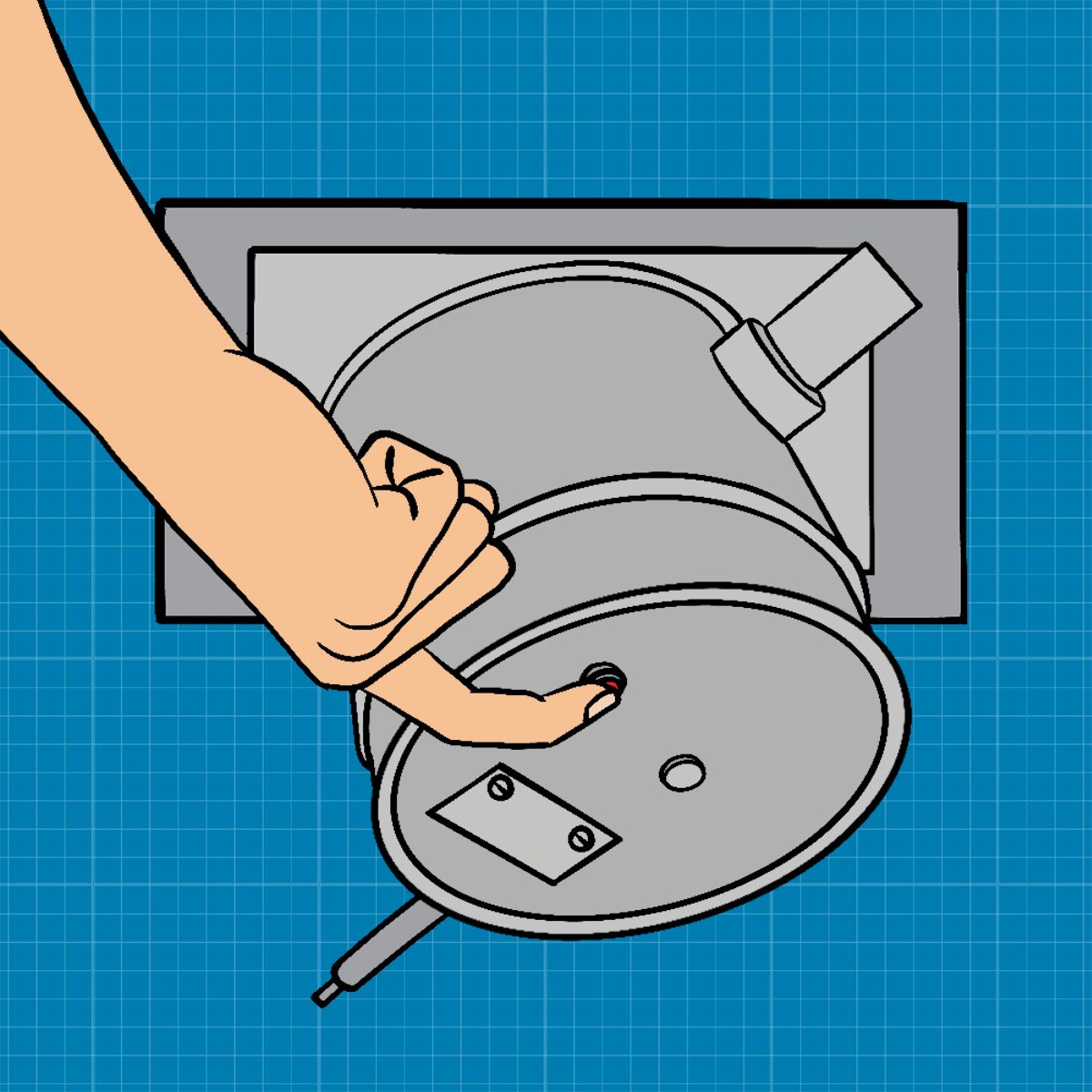
Garbage disposals frequently cause or contribute to kitchen sink clogs. Press the red reset button on the unit’s bottom until you feel a click. Wait several minutes for the motor to cool before testing. If it hums but doesn’t run, disconnect power and use a hex wrench in the bottom opening to manually rotate the impeller and dislodge jams.
For routine cleaning, grind ice cubes to knock loose accumulated material from interior walls, then citrus peels for deodorizing. Never insert fingers into the disposal, even when power is disconnected. Address disposal issues before attempting to unclog the drain itself—many “drain clogs” actually originate from malfunctioning disposals.
Use Chemical Drain Cleaners Wisely
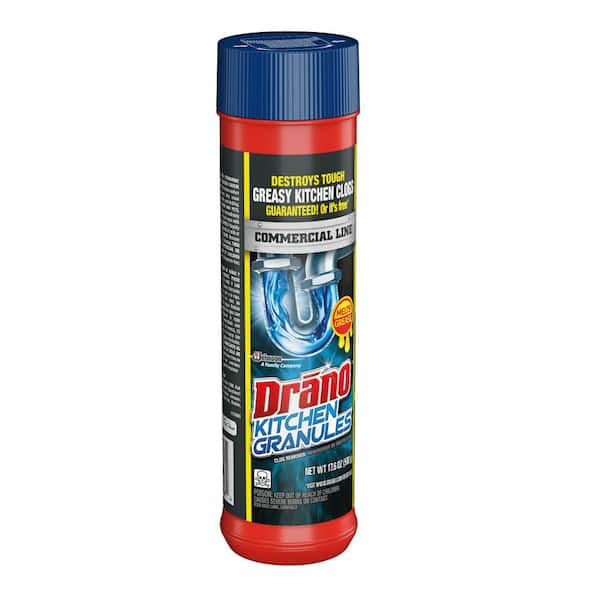
Chemical cleaners offer powerful solutions for stubborn clogs but require careful handling. For kitchen sinks, granular products like Drano Kitchen Granules work well on grease clogs. Remove standing water, pour three heaped tablespoons directly into the drain, follow with two cups of hot water, and wait 15 minutes before flushing.
Safety first: Chemical cleaners generate significant heat that can damage PVC pipes or garbage disposals. Always verify product compatibility with your plumbing materials. Wear protective gloves and eye protection, ensure ventilation, and never mix different chemical products. Keep children and pets away during application.
Prevent Future Clogs Immediately
Implement these habits to significantly reduce future clog frequency:
- Pour one cup of baking soda followed by one cup of vinegar monthly, cover the drain, wait 15-30 minutes, then flush with hot water
- Never pour grease down drains—pour into containers, let solidify, then dispose in trash
- Install drain strainers and clean them after each use
- Avoid putting coffee grounds, eggshells, and fibrous vegetables down drains
- Run cold water while operating garbage disposals and for 30 seconds after grinding
When to Call a Professional Plumber
Certain situations require professional assistance:
– Multiple drains draining slowly throughout your home
– Persistent clogs that return shortly after clearing
– Clogs resisting all DIY methods
– Foul sewage odors or gurgling sounds from drains
– Water backing up in other fixtures when using the kitchen sink
Licensed plumbers possess motorized drain snakes, video inspection equipment, and hydro-jetting tools that reach deep into plumbing systems beyond DIY capabilities. These professional solutions address underlying problems that temporary fixes cannot resolve.
Quick Reference by Clog Severity
For mild clogs with slow drainage, start with boiling water, then salt and hot water or baking soda and vinegar. For moderate clogs with standing water, attempt plunging first, then P-trap cleaning if needed. For severe clogs with no drainage, begin with P-trap removal, then use a drain snake. For garbage disposal-related clogs, address the disposal first before unclogging the drain.
Keep a plunger, drain snake, baking soda, vinegar, bucket, rubber gloves, and basic wrenches together for immediate response when clogs strike. This preparedness ensures you can tackle kitchen sink clogs promptly and effectively whenever they occur, saving time, money, and frustration.