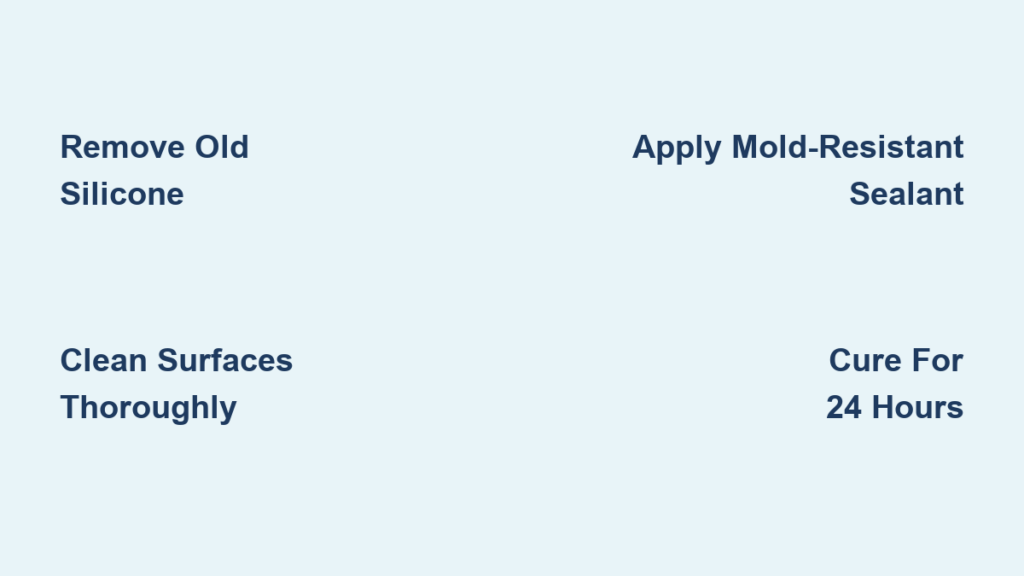
That stubborn black mold creeping along your sink edges isn’t just unsightly—it’s a warning sign that your kitchen’s waterproof barrier has failed. When the silicone caulk sealing your sink to the countertop begins cracking, shrinking, or showing discoloration, knowing how to replace silicone in kitchen applications becomes essential to prevent costly water damage. Most homeowners can tackle this project in just a few hours with the right approach, saving hundreds compared to professional repair costs. This guide walks you through exactly what you need to do to create a watertight seal that keeps your cabinets dry and mold-free for years to come.
Ignoring deteriorating silicone leads directly to water infiltration behind your sink, causing warped cabinets, hidden mold growth, and potential structural damage. The good news is that replacing kitchen silicone isn’t rocket science—you just need the proper tools, materials, and technique. Whether you’re dealing with a minor crack or complete seal failure, this comprehensive guide gives you everything required to execute a professional-quality repair that actually lasts.
Spotting Critical Silicone Failure Signs in Your Kitchen
Before grabbing your tools, verify that replacement is truly necessary by checking for these unmistakable signs of silicone failure. Cracks developing along the sealant bead represent the most obvious indicator—these aren’t just cosmetic flaws but actual pathways for water to penetrate behind your sink. As silicone ages, it gradually loses flexibility and pulls away from the edges, creating visible gaps where moisture enters.
Mold embedded within the silicone itself requires immediate action—those black spots aren’t surface stains you can clean away but established colonies living inside the material. Unlike temporary discoloration from dirt, mold that has penetrated the silicone demands complete replacement because spores remain active regardless of surface cleaning attempts. This isn’t merely a visual issue; it indicates your seal has completely lost its protective function.
Check inside your sink cabinet for secondary evidence of seal failure. Water stains, warped wood, or musty odors confirm that moisture has already breached your defenses. Addressing silicone replacement at the first visible signs prevents minor issues from escalating into expensive cabinet repairs or mold remediation projects that cost significantly more than this simple maintenance task.
Essential Tools and Products for Successful Silicone Replacement
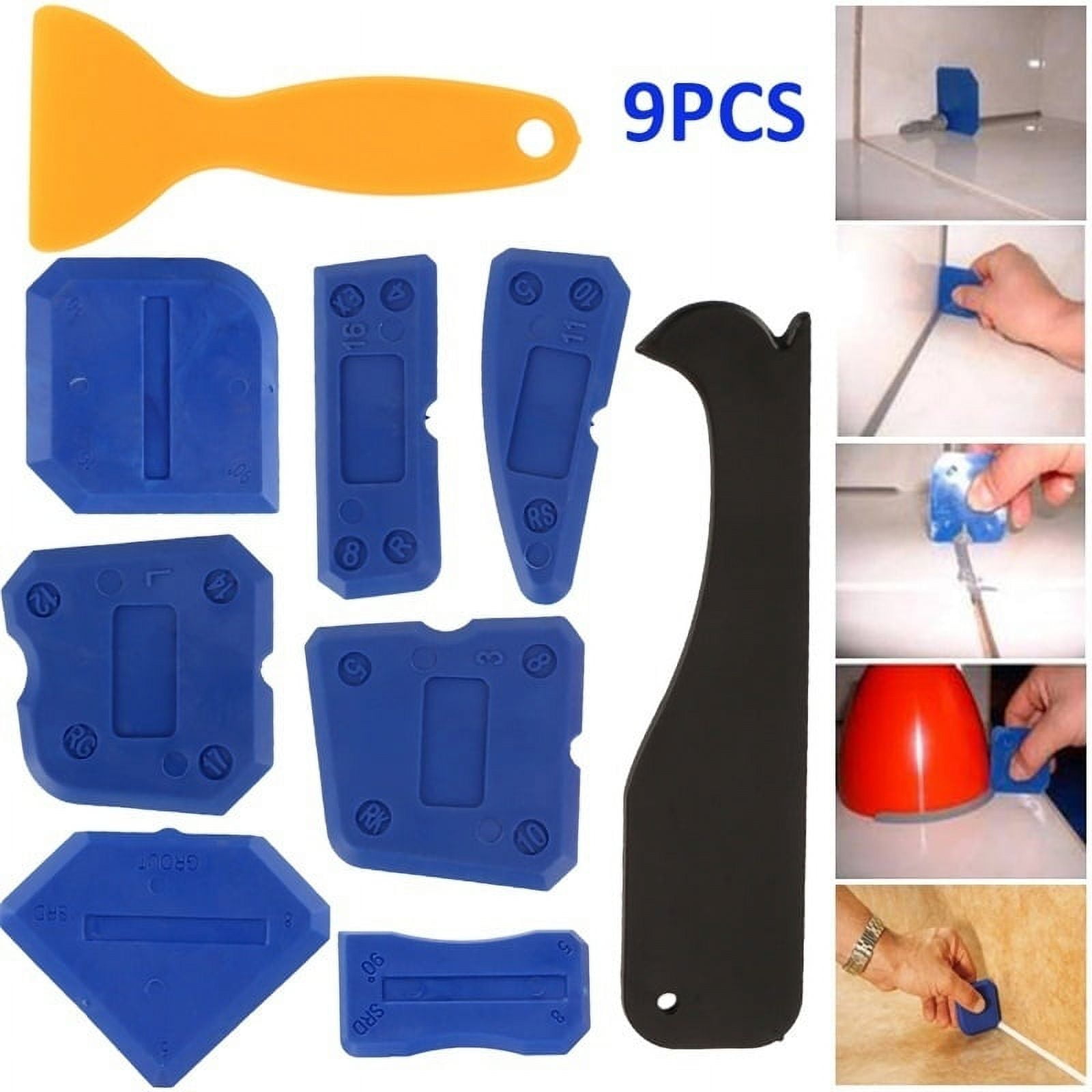
Gather these specific items before starting your project to avoid frustrating mid-process interruptions:
- Silicone removal tools: A specialized silicone removal blade or sharp utility knife for scraping
- Chemical assistance: Selleys Sealant Remover for stubborn applications (apply 5mm thick, wait 2+ hours)
- Safety gear: Gloves and safety glasses to protect during scraping
- Application equipment: Quality caulking gun, masking tape, and spatula or tooling device
- Cleaning supplies: Denatured alcohol for residue removal and Selleys Rapid Mould Killer
- The right sealant: Mold-resistant silicone like Selleys No Mould Silicone Sealant
Never skip the mold-resistant formulation—standard silicone fails quickly in kitchen environments where constant moisture creates ideal mold breeding conditions. The specialized additives in mold-resistant products actively inhibit biological growth, extending your seal’s functional lifespan significantly. Your caulking gun should have smooth plunger action; cheap models deliver uneven pressure that creates inconsistent bead thickness requiring excessive touch-up work.
Remove Every Trace of Old Silicone Completely
Begin by carefully scraping away as much old silicone as possible using your removal blade. Insert the blade against both the sink and countertop junction, working methodically to slice through the caulk without damaging surrounding surfaces. Leave no fragments behind—even tiny remnants of old silicone create weak points where water will eventually penetrate.
For stubborn applications, apply chemical sealant remover in a 5mm layer across the old silicone and wait at least two hours for it to soften the material. This step transforms hardened silicone into something easily scraped away, revealing the clean substrate beneath. The chemical approach significantly reduces physical effort while ensuring more thorough removal than scraping alone.
Consider complete sink removal for comprehensive projects—this approach allows access to hidden sealant beneath the sink lip. Loosen retaining clips beneath the countertop with a screwdriver, then lift the sink sufficiently to access all underlying caulk. While this adds complexity (you may need to temporarily disconnect plumbing), it ensures complete removal of contaminated material for a truly fresh start.
Create Perfectly Clean Surfaces for New Sealant
After silicone removal, eliminate all visible debris with denatured alcohol, which effectively removes residue while evaporating quickly. Pay special attention to the critical junction where sink meets counter—this is where contamination most commonly occurs and where adhesion matters most. Wipe thoroughly with clean cloths to ensure no particles remain.
Never skip mold treatment—spray the prepared surface with rapid mold killer like Selleys Rapid Mould Killer to eliminate spores that would otherwise colonize your new sealant. Allow it to work according to package directions before rinsing thoroughly with clean water. This step is non-negotiable for long-term success, as hidden mold continues growing beneath fresh sealant if not properly treated.
Allow surfaces to dry completely before proceeding—this crucial step prevents moisture from becoming trapped beneath new sealant. Wipe with dry cloths, then allow additional air drying time. Patience here pays dividends in adhesion quality and long-term performance, as moisture compromises both the chemical bonding process and creates conditions favorable to mold regrowth.
Apply Fresh Silicone with Professional Technique

Before applying new sealant, apply masking tape along both sink and countertop edges, leaving a precise 3mm gap for the sealant bead. This creates clean lines and prevents messy application on surrounding surfaces. Load your mold-resistant silicone into the caulking gun, cutting the tube tip at a slight angle for optimal flow.
Hold the tip against the junction at a 45-degree angle, positioning it so sealant flows into the joint rather than atop surfaces. Apply in one continuous strip around the entire perimeter, pulling the gun rather than pushing it to maintain consistent pressure. Move steadily—rushing creates thin spots while moving too slowly results in excessive bead thickness.
For sinks that were removed, apply sealant to both the sink lip and countertop surface before repositioning. This two-sided approach creates a more robust seal than single-sided application alone, as the two sealant layers merge into a unified bond when you lower the sink back into position.
Perfect Your Seal with Proper Tooling Technique
Within 5-10 minutes of application, tool the sealant to create a smooth, professional finish with optimal water-shedding properties. Prepare a detergent-water solution in a shallow container—this serves as lubricant allowing your tool to glide across the sealant without pulling it from the joint.
The most accessible method uses your fingertip dipped in the solution—press gently against the fresh sealant along both surfaces simultaneously and move in one continuous motion. Apply firm but not aggressive pressure to create a smooth, concave bead with consistent width. Alternatively, use a spatula for more control and straighter lines, particularly if you’re less experienced with caulking.
Remove masking tape immediately after tooling by pulling it away at an angle from the fresh sealant. Timing is critical—too early causes smearing while too late leaves residue or pulls at edges. Pull slowly and steadily to avoid disturbing the fresh sealant edges for perfect results.
Allow Full 24-Hour Curing Before Sink Use
Most silicone sealants require approximately 24 hours to achieve full cure, though this varies by product and environmental conditions. Never use your sink during this period—even when the surface feels dry, internal chemical curing continues that gives silicone its strength and flexibility.
Temperature and humidity significantly impact curing times—warm, humid conditions may reduce effective cure time to 12-18 hours, while cooler, drier conditions might require 36+ hours. When in doubt, allow extra curing time to ensure full strength before water exposure. Plan your project for weekends or times when you can comfortably avoid sink use for a full day.
Prevent Future Mold with Smart Maintenance Practices
Selecting mold-resistant silicone represents your first line of defense against future issues. Products like Selleys No Mould Silicone Sealant contain active ingredients that inhibit mold growth, maintaining appearance and performance far longer than standard alternatives. This initial investment pays off through extended service life and reduced maintenance.
Beyond product selection, regular inspection allows early detection of potential mold issues. Periodically examine your sealant for any discoloration and address minor issues immediately with targeted treatment before mold establishes deep roots. Proper ventilation in your kitchen also helps reduce moisture buildup that accelerates silicone deterioration.
Avoid These 5 Costly Silicone Replacement Mistakes
- Insufficient old silicone removal—leaving fragments creates weak adhesion points
- Applying to damp surfaces—trapped moisture prevents proper bonding
- Skipping mold treatment—hidden spores continue growing beneath new sealant
- Inadequate curing time—using sink too soon compromises seal integrity
- Rushing tooling phase—creates uneven beads with poor water-shedding properties
Each mistake significantly reduces your seal’s lifespan, potentially requiring repeat work within months rather than years. Taking extra time during preparation and curing pays dividends in long-term performance.
When Your Kitchen Silicone Project Needs Professional Help
While most homeowners successfully replace kitchen silicone themselves, certain situations warrant professional assistance. Extensive water damage beneath the sink, significant cabinet warping, or visible structural mold growth indicate problems beyond simple sealant replacement that require professional assessment.
Plumbing complications during sink removal—such as difficult-to-access connections or unexpected configurations—also merit calling a professional. If you’re uncomfortable with basic plumbing disconnection or lack the time to accommodate proper curing periods, professional execution ensures the job completes correctly without risking further damage.
Replacing silicone caulk in kitchen applications protects your home from water damage while maintaining clean, attractive fixtures. By following these precise steps—thorough removal, proper preparation, correct application, and adequate curing—you achieve professional-quality results that safeguard your kitchen for years. The modest investment of time and materials prevents far more expensive repairs down the line, making this essential maintenance task well worth your effort.