Your commercial kitchen equipment is the heartbeat of your foodservice operation, yet many chefs and managers treat maintenance as an afterthought—until a critical appliance fails during service. When your fryer stops heating or your refrigerator can’t maintain safe temperatures, the consequences extend far beyond repair bills: wasted inventory, angry customers, and potential health code violations that could shutter your business. Learning how to maintain kitchen equipment properly transforms these reactive emergencies into preventable situations. This guide delivers actionable maintenance protocols that keep your appliances running efficiently, extending their lifespan while protecting your food safety standards and bottom line. You’ll discover specific daily routines, troubleshooting techniques, and staff training methods that professional kitchens use to avoid costly downtime.
Daily Equipment Maintenance That Prevents Costly Breakdowns
Implementing simple end-of-shift cleaning procedures creates the foundation for reliable equipment performance while preventing hazardous buildup that leads to failures. These quick daily tasks take minimal time but deliver substantial returns in equipment longevity and operational reliability—especially when staff understands the direct connection between their actions and kitchen efficiency.
Wipe Down Surfaces Before Residue Hardens
Immediately after service ends, your team should clean exterior surfaces, control panels, and accessible components of all equipment using food-safe degreasers designed for commercial kitchens. This critical step prevents grease and food particles from baking onto surfaces during idle periods, which creates stubborn buildup requiring intensive scrubbing later. Pay special attention to oven doors, fryer exteriors, and mixer housings where grease accumulates fastest—these areas become fire hazards when neglected. Pro Tip: Keep spray bottles of commercial degreaser and microfiber cloths stationed throughout the kitchen for quick access during closing routines.
Drain and Strain Fryer Oil Daily
Failing to properly maintain your deep fryer oil significantly impacts food quality and equipment lifespan. After each service period, strain oil through a fine mesh filter to remove food particles that accelerate oil breakdown and create off-flavors in subsequent batches. Check oil clarity—if it appears dark or contains excessive sediment, replace it completely. Warning: Never mix fresh oil with degraded oil, as this compromises the entire batch and increases the risk of equipment damage from carbonized particles clogging heating elements.
Weekly Deep Cleaning Procedures for Commercial Kitchen Equipment

Weekly maintenance goes beyond surface cleaning to address buildup in hard-to-reach areas that daily wiping can’t access. These deeper cleaning sessions prevent performance degradation that occurs gradually, often going unnoticed until equipment fails completely. Schedule these procedures after your slowest service day to allow adequate time for thorough cleaning without rushing.
Soak and Clean Removable Components
Remove oven racks, grill grates, fryer baskets, and dishwasher spray arms for soaking in commercial-grade degreaser solution. Allow components to soak for 30-60 minutes (depending on buildup severity) before scrubbing with non-abrasive pads. This process dissolves baked-on grease that daily cleaning can’t remove, restoring optimal heat distribution and water flow. Time Saver: Designate specific containers for soaking different equipment types to prevent cross-contamination—never use the same soak tub for grill grates and food prep equipment.
Inspect Critical Safety Components Weekly
During your deep cleaning sessions, perform hands-on safety checks that catch developing problems before they become hazards. Examine gas line connections for leaks using soapy water (bubbles indicate leaks), test emergency shutoff valves for proper function, and verify that all electrical cords show no signs of fraying or damage. Pay particular attention to refrigerator door seals—run a dollar bill test by closing the door on the bill; if you can pull it out easily, the seal needs replacement to prevent temperature fluctuations that compromise food safety.
Monthly Calibration Tasks for Temperature-Sensitive Appliances
Temperature accuracy represents one of the most critical—and often overlooked—aspects of kitchen equipment maintenance. Monthly calibration ensures your appliances maintain precise temperatures required for food safety and consistent cooking results, preventing costly inventory loss and health code violations.
Verify and Adjust Refrigeration Temperatures
Commercial refrigerators and freezers gradually lose temperature accuracy due to compressor wear and door seal degradation. Each month, use a calibrated thermometer (not the built-in gauge) to verify actual temperatures in multiple locations within each unit. Refrigerators should maintain 33-38°F (0.5-3.3°C) while freezers need to stay at 0°F (-18°C) or below. If readings differ by more than 2 degrees from settings, recalibrate thermostats according to manufacturer instructions. Critical Step: Clean condenser coils monthly—dirty coils force refrigeration systems to work 30% harder, increasing energy costs while reducing cooling efficiency.
Test Oven and Grill Temperature Accuracy
Inconsistent cooking temperatures directly impact food quality and safety. Monthly, place an oven thermometer in multiple locations within your ovens and on grill surfaces to verify actual temperatures match settings. Commercial ovens often develop hot and cold spots that require adjustment. If discrepancies exceed 25°F (14°C), consult your equipment manual for calibration procedures or schedule professional service. Pro Tip: Document temperature readings in a logbook to identify developing patterns that indicate component failure before complete breakdown occurs.
Troubleshooting Common Equipment Failures Before They Happen

Recognizing early warning signs transforms reactive repairs into proactive maintenance, saving you from emergency service calls during peak hours. Train your staff to identify these common indicators that equipment requires attention before complete failure occurs.
Address Refrigeration Warning Signs Immediately
When your walk-in cooler runs constantly but can’t maintain temperature, don’t wait for food spoilage to occur. First, check for simple fixes: verify door seals aren’t compromised, ensure vents aren’t blocked by stored items, and clean condenser coils if dusty. If the unit still underperforms, monitor temperature logs for patterns—consistent temperature fluctuations often indicate failing thermostats or low refrigerant levels requiring professional service. Red Flag: Frost buildup inside refrigerators signals door seal failure or defrost system problems that waste energy while risking food safety.
Fix Dishwasher Performance Issues Before They Escalate
Poor dishwasher performance typically manifests as cloudy glasses, residue on dishes, or inadequate sanitization temperatures. Before calling a technician, check the most common culprits: clean spray arm holes clogged with food debris, replace worn filters, and verify water temperature reaches 140°F (60°C) for proper sanitization. Hard water buildup often causes these issues—install a water softener if your area has high mineral content. Quick Fix: Run an empty cycle with commercial dishwasher cleaner monthly to dissolve mineral deposits that impair performance.
Training Your Staff for Consistent Maintenance Results
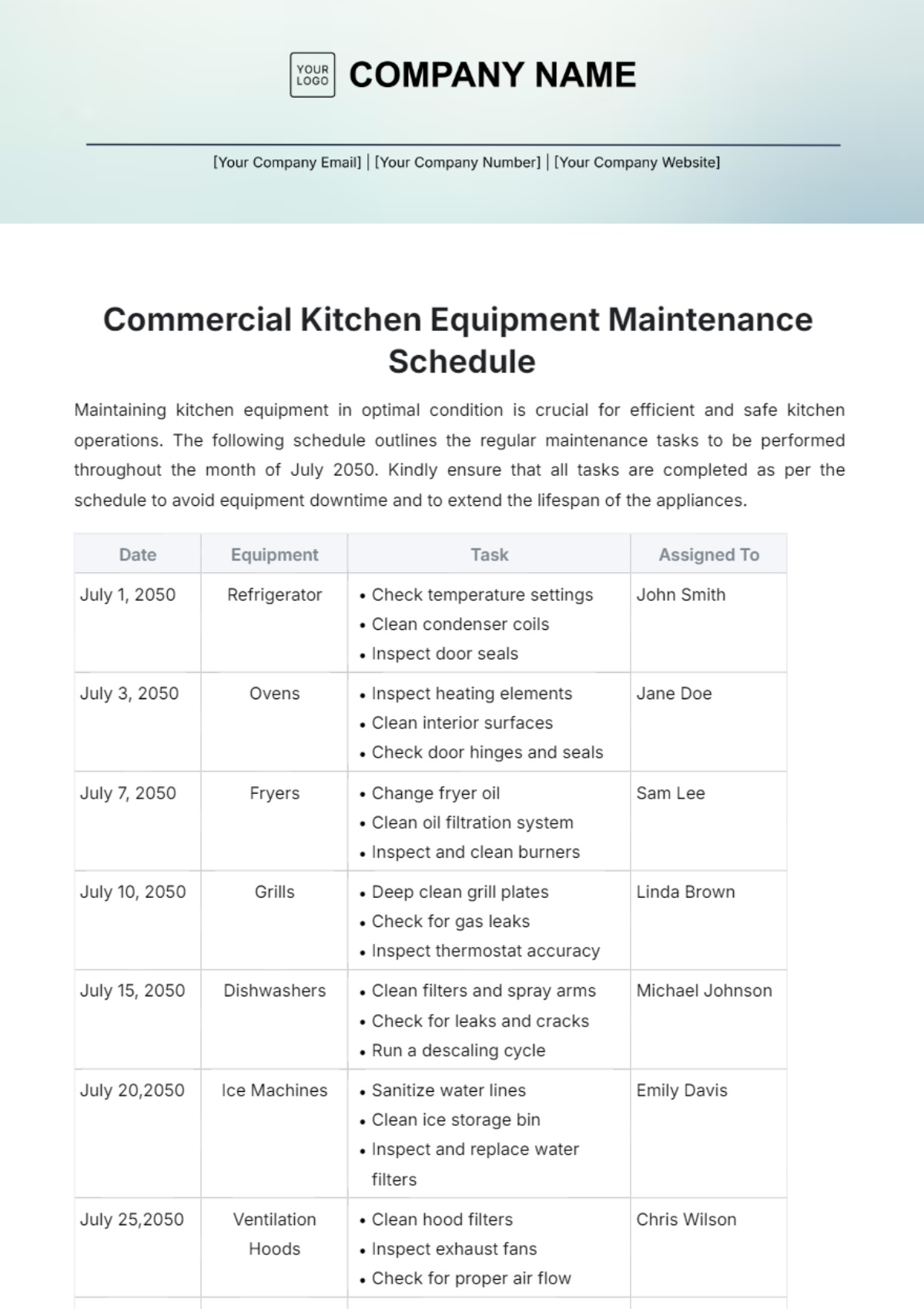
Effective equipment maintenance depends on staff who understand proper procedures and recognize the importance of their role in equipment care. Implement structured training that transforms maintenance from a chore into an integral part of kitchen culture.
Create Role-Specific Maintenance Checklists
Develop customized maintenance checklists for different staff positions that outline specific tasks each team member performs during closing routines. Line cooks should focus on equipment they operate directly (grills, fryers, ovens), while dish pit staff handle dishwasher and sink maintenance. Include visual references showing proper and improper conditions to help staff identify issues. Implementation Tip: Laminate checklists and mount them near relevant equipment—when staff complete tasks, they initial the checklist, creating accountability and documentation.
Conduct Monthly Maintenance Refresher Sessions
Schedule brief (15-minute) maintenance training sessions at the start of each month to reinforce proper techniques and address emerging issues. Use real examples from your kitchen—show staff a clogged spray arm versus a clean one, or demonstrate proper fryer oil straining technique. Encourage staff to share maintenance challenges they’ve encountered, fostering collective problem-solving. Engagement Strategy: Recognize “Maintenance MVP” each month—the employee who consistently performs thorough equipment care—to build positive reinforcement around maintenance culture.
Budgeting Smartly for Equipment Care and Replacement
Strategic financial planning for kitchen equipment maintenance prevents surprise expenses that strain your operating budget while extending the useful life of your most valuable assets. Allocate resources across three maintenance tiers to ensure comprehensive coverage without overspending.
Implement a Tiered Maintenance Budget
Divide your equipment budget into three categories: daily consumables (cleaning supplies, oil filters), scheduled professional service (annual tune-ups), and equipment replacement reserves. Allocate approximately 60% to daily maintenance supplies, 30% to professional servicing, and 10% to replacement reserves. This distribution ensures routine care receives adequate funding while preparing for inevitable equipment aging. Financial Tip: Track actual maintenance costs monthly to refine your budget allocations—many operators discover they under-budget for professional servicing while overspending on emergency repairs.
Document Maintenance for Warranty Protection
Meticulous maintenance records serve dual purposes: they demonstrate compliance during health inspections and preserve equipment warranties that require proof of proper care. Create a digital log (spreadsheet or maintenance software) tracking every service activity, including dates, tasks performed, and staff responsible. When equipment requires repair, this documentation often determines whether warranty coverage applies—manufacturers routinely deny claims due to inadequate maintenance records. Critical Practice: Store these records both digitally and in a physical binder accessible to management, as warranty claims may require submission within specific timeframes.
Properly maintaining kitchen equipment isn’t just about preventing breakdowns—it’s about protecting your food quality, ensuring regulatory compliance, and maximizing your return on significant capital investments. By implementing these daily routines, weekly deep cleaning sessions, and strategic training approaches, you’ll create a maintenance culture that supports consistent service and operational excellence. Remember that the most successful kitchens treat equipment care as integral to their brand promise, not merely a technical requirement. Start with one equipment category this week, master those maintenance protocols, then expand to others—your future self will thank you when your appliances keep performing reliably during the busiest service nights.