Your kitchen floor faces more daily abuse than any other surface in your home. Between cooking splatters, tracked-in dirt, pet paws, and family traffic, kitchen floors become breeding grounds for bacteria and grease buildup within hours. Knowing exactly how often to clean kitchen floor surfaces properly is critical—not just for appearances but for food safety and preserving your flooring investment. Without the right cleaning schedule, even high-quality floors can develop permanent stains, slippery hazards, and costly damage. This guide cuts through the confusion with specific cleaning frequencies tailored to your household’s unique needs, floor type, and daily reality.
Daily Floor Cleaning Tasks to Prevent Buildup
Sweeping your kitchen floor each morning takes just 2-3 minutes but prevents dirt from grinding into your flooring surface throughout the day. Crumbs, pet hair, and tracked-in debris quickly become embedded, making future cleaning exponentially harder. A quick dry mop or vacuum pass captures these particles before they scatter across your entire kitchen.
Target High-Traffic Zones First
Focus your daily sweeping on the path between your refrigerator and stove—the kitchen’s most heavily trafficked corridor. This 3-5 foot strip collects more grease, crumbs, and tracked dirt than any other area. Homes with pets or young children should add a second evening sweep to manage the additional debris from meals and playtime. Keep your dustpan and broom or microfiber mop near this high-traffic zone for instant access.
Immediate Spill Response Protocol
Never let spills sit more than 5 minutes, especially oily or sugary substances that quickly become sticky hazards. Keep a stack of clean microfiber cloths under your sink specifically for kitchen floor spills. For greasy messes, sprinkle baking soda first to absorb oil before wiping. This simple habit prevents 90% of permanent stains and keeps your floor safe for bare feet.
Weekly Deep Cleaning That Actually Works
Most households need to damp mop kitchen floors two to three times weekly to remove the invisible grease film that dry sweeping misses. This film attracts dirt, creates slip hazards, and harbors bacteria—yet remains invisible until buildup becomes severe. For frequent cooks who fry foods daily, shift to daily damp mopping to maintain safe conditions.
The Two-Bucket Mopping Technique
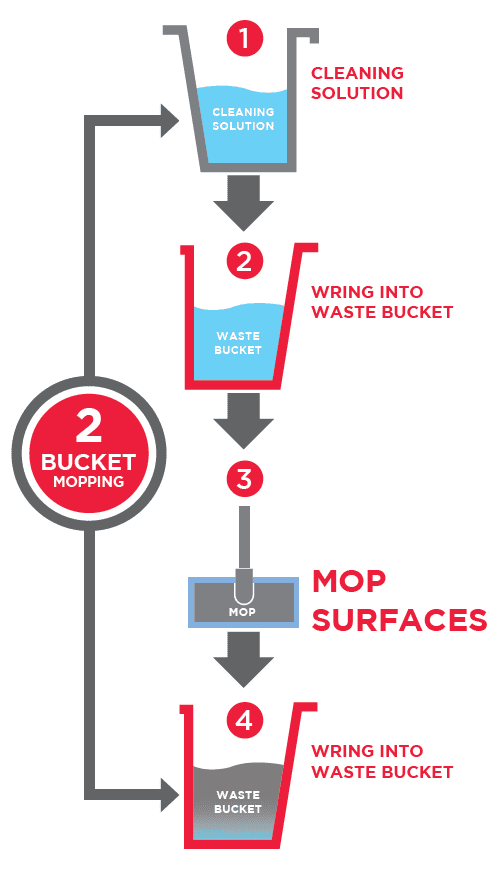
Professional cleaners swear by this method for truly clean floors: Fill one bucket with cleaning solution and another with clean water for rinsing. After each pass, rinse your mop thoroughly in the clean water bucket before re-dipping in solution. This prevents you from spreading dirty water across your entire floor. For most flooring types, microfiber mops work best—they trap dirt electrostatically and require 50% less moisture than traditional mops.
Monthly Intensive Cleaning for Hidden Grime
While weekly mopping handles surface dirt, monthly deep cleaning targets the grime accumulating in overlooked areas. Move your refrigerator, stove, and dishwasher just far enough to clean the floor beneath these appliances—where dust bunnies, food crumbs, and pet hair create hidden reservoirs of dirt. This monthly chore prevents unpleasant odors and potential pest problems.
Grout and Edge Cleaning Protocol
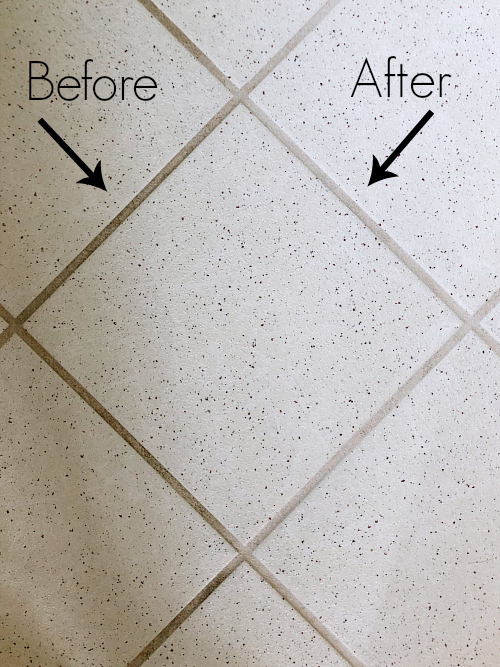
Tile floors need special monthly attention along grout lines, which absorb dirt and bacteria despite regular cleaning. Use an old toothbrush with baking soda paste to scrub grout monthly, then rinse thoroughly. For all floor types, spend extra time cleaning along baseboards and cabinet edges where daily sweeping misses accumulated debris. This simple monthly habit keeps your entire kitchen floor uniformly clean.
Floor-Type Specific Cleaning Frequencies
Your flooring material dictates how often to clean kitchen floor surfaces without causing damage. Generic advice often leads to costly mistakes when applied to sensitive surfaces.
Tile Floors: Twice-Weekly Minimum
Ceramic and porcelain tile withstand frequent cleaning but require damp mopping at least twice weekly to prevent grease buildup. Grout lines need monthly scrubbing with specialized brushes. If you notice grout darkening despite regular cleaning, apply grout sealer annually to prevent permanent staining.
Hardwood Floors: Gentle Daily Care
Sweep hardwood kitchen floors daily with a soft-bristle broom or vacuum with hard floor setting to remove abrasive particles. Damp mop weekly using manufacturer-approved wood cleaners—never vinegar or steam cleaners. The damp mop should feel just slightly moist to prevent water damage. High-traffic zones between appliances may need spot cleaning between weekly sessions.
Vinyl and Laminate: Avoid Water Traps
Sweep vinyl and laminate floors daily to prevent scratching from embedded particles. Damp mop weekly with minimal moisture—excess water seeps into seams causing warping. Never use steam mops on laminate, as heat and moisture cause irreversible damage. For sticky spots, use a barely damp cloth rather than soaking the area.
Four Key Factors That Change Your Cleaning Schedule
Your ideal cleaning frequency depends on more than just floor type. Adjust your routine based on these household-specific factors.
Cooking Frequency Matters Most
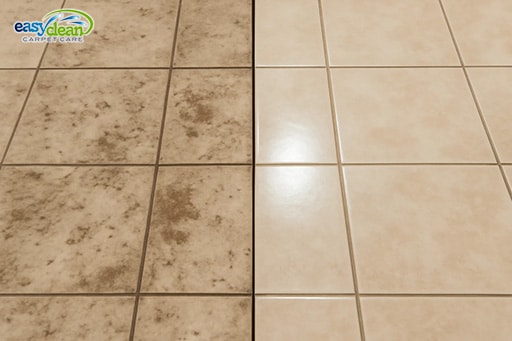
Households that cook daily, especially frying or sautéing, need damp mopping every 1-2 days to manage grease accumulation. If you cook minimally and eat out often, weekly mopping may suffice—but never skip daily dry sweeping. The oil particles from cooking settle on floors within hours, creating slippery hazards even when the surface looks clean.
Pet Owners Need Double the Attention
Homes with dogs or cats require sweeping twice daily to manage shedding and tracked-in dirt. Pet hair clumps resist standard brooms—use a rubber squeegee or vacuum with hard floor attachment for complete removal. Mop pet zones (near food bowls and entryways) every other day to address bacteria from paws and occasional accidents.
Household Size Changes the Equation
Single-person households can often extend to weekly damp mopping, while families of four or more need mopping every 1-2 days. Each additional household member increases floor traffic and spill frequency exponentially. Families with young children should implement immediate spill response as a non-negotiable habit—kids create more floor messes than adults realize.
Climate Impacts Your Schedule
Homes in rainy or snowy regions need daily sweeping to manage tracked-in moisture and salt. Place absorbent mats at all entry points and increase floor cleaning by 30-50% during wet seasons. Dry, dusty climates require similar frequency adjustments to prevent fine particles from scratching floor surfaces.
Critical Mistakes That Damage Floors During Cleaning
Even well-intentioned cleaning can harm floors when using improper techniques. Avoid these common errors:
The Water Damage Trap
Over-wetting causes more floor damage than dirt buildup. Your mop should feel barely damp—not dripping wet. After mopping, immediately wipe up any standing water with a dry microfiber cloth. Hardwood and laminate floors need complete drying within 15 minutes to prevent warping.
Wrong Cleaner, Wrong Floor
Vinegar may seem “natural” but damages stone and hardwood finishes over time. Bleach discolors grout and vinyl. Always check manufacturer recommendations before trying new cleaners. When in doubt, use pH-neutral cleaners designed specifically for your floor type.
Hidden Area Neglect
Focusing only on visible floor areas creates uneven wear patterns. Develop a systematic cleaning pattern: start at the farthest corner and work toward the exit, ensuring complete coverage. Pay special attention to under chairs, along baseboards, and behind appliances where daily cleaning misses accumulated debris.
Create Your Personalized Cleaning Schedule
Start with this baseline routine then adjust based on your household:
– Daily: Dry sweep high-traffic zones, immediate spill response
– Every 2-3 days: Damp mop entire floor
– Monthly: Clean under appliances, deep clean grout lines
Add extra cleaning sessions if you cook daily, have pets, or live in a high-traffic household. The key is consistency—regular light cleaning prevents the need for intensive scrubbing sessions that often damage floors. Set phone reminders until your routine becomes habit, and keep cleaning supplies accessible for quick response to spills. Your kitchen floor serves as the foundation for family meals and gatherings—investing just 10-15 minutes daily keeps it safe, sanitary, and beautiful for years.