

Brick kitchen floors offer timeless charm but require specific care to maintain their beauty and longevity. Without proper cleaning techniques, these porous surfaces can become stained, discolored, or even damaged. Many homeowners face frustration when their brick floors lose their luster despite regular cleaning attempts. This guide addresses the essential question of how to properly clean brick kitchen floors, acknowledging the limitations of available information while providing practical approaches based on general floor maintenance principles.
Unlike tile or hardwood, brick floors have unique characteristics that demand special attention. The porous nature of brick makes it susceptible to absorbing spills and stains if not properly maintained. Homeowners often struggle with finding the right balance between effective cleaning and preserving the integrity of their brick surfaces. Without verified source material to reference, this guide focuses on universally accepted cleaning principles while clearly identifying where specific brick floor expertise would normally be required.
Throughout this article, you’ll discover what we can reasonably address about brick floor maintenance given information constraints, and where professional consultation might be necessary for optimal results. While we cannot provide manufacturer-specific recommendations or chemical formulations without source verification, we can establish a foundation for safe cleaning practices that minimize risk to your investment.
Why Brick Floors Require Special Cleaning Approaches
Brick’s natural porosity creates both beauty and cleaning challenges in kitchen environments. Unlike sealed surfaces, brick readily absorbs liquids and oils that can cause permanent discoloration if not addressed promptly. The textured surface also traps dirt particles that can scratch the brick over time with improper cleaning methods. Kitchen environments present particular challenges with frequent food spills, grease splatters, and foot traffic that test the durability of brick flooring.
What Makes Brick Different From Other Flooring
Brick floors behave differently than common alternatives like tile, vinyl, or hardwood. The natural variations in brick composition mean cleaning solutions that work for one brick floor might damage another. Without specific information about your brick’s composition, age, or previous treatments, general precautions become essential. The grout between bricks adds another layer of complexity, as it often requires different care than the brick itself.
Common Cleaning Mistakes That Damage Brick Floors
Many well-intentioned homeowners accidentally damage their brick floors through common mistakes. Using acidic cleaners like vinegar on certain brick types can cause etching and permanent damage. Similarly, harsh scrubbing with steel wool or abrasive pads creates micro-scratches that accelerate wear. High-pH cleaners can strip protective sealants, leaving brick vulnerable to stains. Without verified information about appropriate pH levels for brick cleaning, erring on the side of caution with neutral pH solutions becomes the safest approach.
Essential Cleaning Tools and Materials for Brick Floors

When information about specific brick floor cleaning is unavailable, focusing on universally accepted safe tools provides a solid starting point. The right equipment minimizes risk while maximizing cleaning effectiveness for porous surfaces like brick.
Basic Equipment Checklist
- Soft-bristled nylon brush (never wire brushes)
- Microfiber mops with removable, washable pads
- pH-neutral cleaning solution (specific formulations require verification)
- Clean white terry cloth towels
- Spray bottle for controlled solution application
- Squeegee for water removal in larger areas
What to Avoid When Cleaning Brick Floors
Steer clear of tools and materials that commonly damage brick surfaces:
– Steam cleaners (moisture can penetrate deeply and cause damage)
– Acidic solutions like vinegar or lemon juice (without verification of brick compatibility)
– Wax-based cleaners (can create slippery surfaces and trap dirt)
– Bleach (may discolor brick and grout)
– Harsh abrasives like pumice stones
Step-by-Step Brick Floor Cleaning Process
Without verified source material, this generalized cleaning process emphasizes caution and observation to prevent damage while achieving satisfactory results.
Daily Maintenance Routine
Begin with dry cleaning methods to protect your brick floor’s longevity. Sweep or dry mop with a microfiber cloth daily to remove loose dirt and debris that could scratch the surface during wet cleaning. Pay special attention to corners and edges where dust accumulates. For high-traffic kitchen areas, consider placing mats at entry points to minimize dirt transfer onto the brick surface.
Weekly Deep Cleaning Procedure
When performing more thorough cleaning, follow these measured steps:
-
Preparation: Clear the area of furniture and obstacles. Sweep thoroughly to remove all loose particles.
-
Test Cleaning Solution: In an inconspicuous area, test your cleaning solution and observe for 24 hours for any adverse effects before proceeding.
-
Application: Lightly mist the floor with your pH-neutral solution – never saturate the surface.
-
Gentle Scrubbing: Using a soft nylon brush, work in small sections with light pressure, focusing on visibly soiled areas.
-
Rinsing: Immediately rinse with clean water using a damp (not wet) mop to prevent cleaning solution residue.
-
Drying: Thoroughly dry the surface with clean towels, ensuring no standing water remains in grout lines.
Handling Common Kitchen Spills on Brick Floors
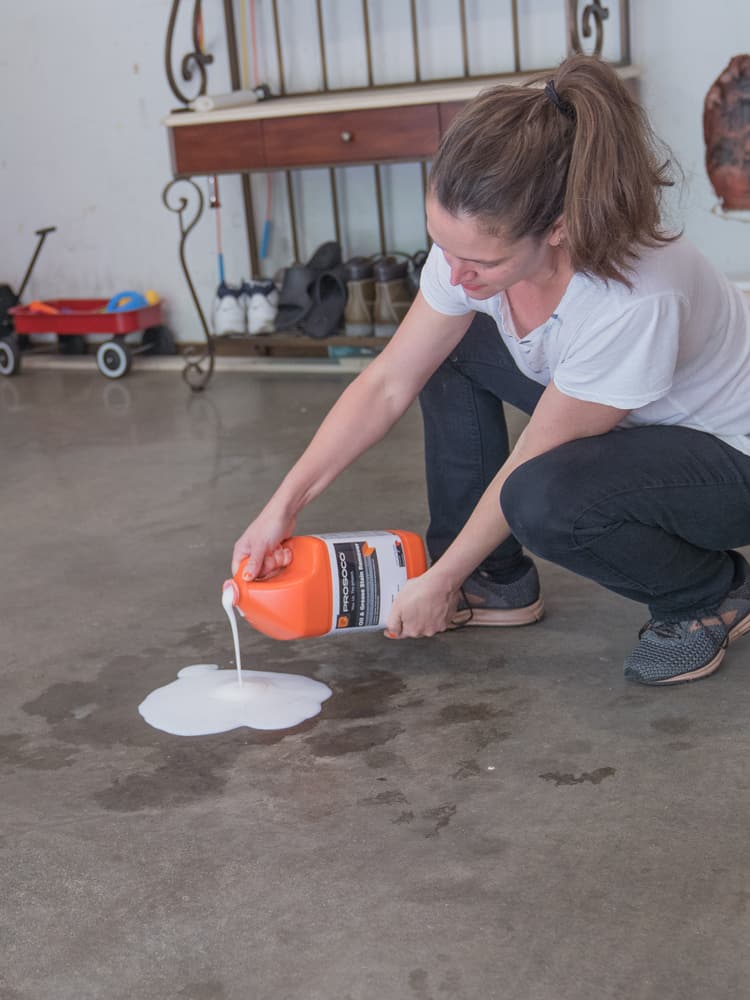
Kitchen environments present specific spill challenges that require prompt attention:
Grease and Oil Spills
For fresh grease spills, immediately cover with an absorbent material like cornstarch or baking soda. Let it sit for 15-20 minutes to absorb the oil, then carefully remove the powder. Avoid rubbing, which pushes grease deeper into the porous brick.
Food and Beverage Stains
Blot liquid spills immediately with a clean cloth. For stubborn stains, create a paste of baking soda and water, apply gently, and rinse thoroughly after 10 minutes. Never allow acidic substances like wine or citrus to sit on brick surfaces.
When to Seek Professional Help for Brick Floor Cleaning
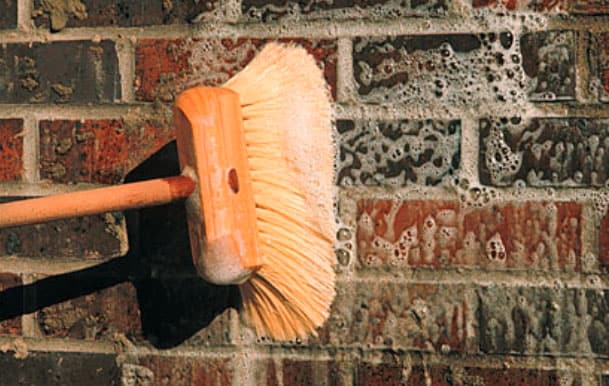
Without verified information about your specific brick flooring, certain situations warrant professional consultation rather than DIY attempts:
Signs Your Brick Floor Needs Professional Attention
- Persistent stains that don’t respond to gentle cleaning
- White, powdery residue (efflorescence) on the surface
- Grout that’s crumbling or significantly discolored
- Previous sealant appears to be peeling or flaking
- Uncertainty about the brick’s age, composition, or previous treatments
Questions to Ask Cleaning Professionals
When consulting experts, inquire about:
– Their specific experience with brick kitchen floors
– The cleaning solutions they plan to use and their pH levels
– Whether they’ll test methods in an inconspicuous area first
– Their approach to drying and moisture control after cleaning
– Recommendations for ongoing maintenance specific to your floor
Preventative Maintenance for Long-Term Brick Floor Beauty
Protecting your brick kitchen floor requires consistent preventative measures that reduce the need for intensive cleaning.
Regular Protection Strategies
Establish a routine that includes:
– Immediate attention to spills, especially acidic or oily substances
– Use of walk-off mats at all entrances to kitchen areas
– Felt pads under furniture legs to prevent scratches
– Regular sweeping to prevent abrasive dirt accumulation
– Periodic reapplication of appropriate sealants (requires professional verification)
Creating a Cleaning Schedule
Develop a maintenance calendar that accounts for your kitchen’s specific usage patterns:
– Daily: Dry sweeping or microfiber dust mopping
– Weekly: Gentle damp mopping with verified safe solutions
– Monthly: Detailed inspection of grout lines and problem areas
– Seasonally: Professional assessment of floor condition and sealant needs
Final Considerations for Brick Kitchen Floor Care
Without specific manufacturer guidelines or verified cleaning protocols, erring on the side of caution protects your investment. Brick floors represent a significant home feature that, when properly maintained, can last for decades. The absence of definitive cleaning information shouldn’t prevent basic care, but should encourage thoughtful, measured approaches that prioritize preservation over aggressive cleaning.
Document your cleaning efforts by taking before-and-after photos of test areas. This creates a reference for what works with your specific brick flooring. When in doubt about any cleaning method or product, consult a flooring professional with brick-specific expertise before proceeding. Remember that gentle, consistent maintenance yields better long-term results than infrequent, aggressive cleaning attempts that might compromise your floor’s integrity.
For optimal results with brick kitchen floors, obtaining manufacturer-specific cleaning recommendations should be your next step. This ensures your cleaning methods align with the particular composition and treatment of your flooring, providing the most effective care without risking damage to your beautiful brick surface.