Kitchen cabinet scratches appear overnight when you least expect them—whether from a dropped utensil, an enthusiastic pet, or accidental contact during meal prep. These unsightly marks disrupt your kitchen’s aesthetic and can make even well-maintained cabinets look neglected. Knowing how to fix scratched kitchen cabinets yourself saves you $300-$800 compared to professional refinishing while restoring your kitchen’s appearance in a single afternoon. Most cabinet scratches fall into repairable categories using simple techniques that require minimal tools and materials available at any hardware store. This guide provides step-by-step instructions for addressing every scratch type, from superficial marks to deep gouges that expose bare wood.
Before attempting repairs, carefully examine each scratch with your fingernail. Surface scratches won’t catch your nail, medium scratches create slight resistance, and deep gouges allow your nail to sink into the damaged area. Using the wrong repair method for your scratch type leads to mismatched colors, visible repair lines, or wasted effort. The techniques below work for painted cabinets, stained wood cabinets, and laminate surfaces, though specific products vary by material. Proper assessment determines whether you’ll spend 30 minutes with a marker or several hours building up deep damage with filler.
Identify Your Cabinet Material Before Repairing
Kitchen cabinets come in three primary materials, each requiring different scratch repair approaches. Stained wood cabinets feature natural wood grains with colored stain sealed under clear finish layers. Painted cabinets have solid-color paint surfaces that may be matte, satin, or gloss. Laminate cabinets use printed plastic bonded to particleboard with no real wood grain visible. Using wood stain on painted cabinets or sanding laminate surfaces causes irreversible damage, so confirm your cabinet type first.
Test a hidden area like the inside of a cabinet door with fine sandpaper (220 grit). Wood cabinets show natural grain patterns when lightly sanded, painted cabinets reveal multiple color layers, and laminate surfaces create a fuzzy texture with no grain. For wood cabinets, note whether the wood is light (maple, birch) or dark (cherry, walnut), as this affects color matching. Painted cabinets require paint-matching techniques rather than wood stain, while laminate repairs focus on filling rather than staining. Your cabinet material determines which repair products will work—wood fillers won’t adhere properly to laminate, and laminate repair kits won’t match wood grain.
Fix Surface Scratches in Under 20 Minutes
Surface scratches that only affect the top finish layer respond to quick household solutions with minimal effort. These repairs work for both wood and painted cabinets, though product selection varies by surface type. The walnut trick works surprisingly well for light to medium wood cabinets—simply break a raw walnut in half and rub it firmly along the scratch with the grain. The natural oils and pigments fill and darken the scratch, blending it with surrounding finish. Repeat 3-4 times, allowing oil to penetrate between applications, then buff with a soft cloth. This method works because walnut contains compounds similar to those in commercial wood stains.
For painted cabinets or darker wood finishes, use a colored wax crayon matched to your cabinet color. Rub the crayon at a 45-degree angle across the scratch, filling the depression with wax. Smooth excess wax with your finger or soft cloth, then apply a small amount of furniture polish to blend the sheen. This technique works best on satin or matte finishes where wax sheen differences aren’t noticeable. Glossy surfaces may require a light application of polishing compound after wax application to match the original shine.
Commercial scratch repair pens like Minwax Finish Markers or Howard Restor-A-Finish provide consistent results with minimal effort. Choose a color close to your cabinet finish (slightly darker works better than lighter), apply to the scratch, wipe excess with a soft cloth, and let dry 15 minutes. For best results, layer two complementary colors—a base coat followed by a top coat—to match aged finishes. Always test markers on an inconspicuous area first, as lighting conditions dramatically affect color perception.
Repair Deep Scratches That Expose Bare Wood
:max_bytes(150000):strip_icc()/SPR-apply-wood-putty-for-strong-bond-1822743-02-e7470e8ff40545cda11fdf113494ecd2.jpg)
Deep scratches that penetrate to bare wood require systematic repair involving filling, staining, and sealing. Rushing this process creates visible repair lines that draw more attention than the original scratch. Start by cleaning the damaged area with mild soapy water and allowing it to dry completely—moisture trapped under filler causes bubbling and peeling later.
Apply wood filler matching your cabinet color using a plastic putty knife, overfilling slightly to account for shrinkage. Press filler firmly into the scratch, then scrape clean at a 45-degree angle, leaving filler slightly proud of the surface. Allow to dry completely (2-4 hours), then sand with 320-grit sandpaper until level with surrounding surface. Sanding too aggressively creates a depression worse than the original scratch, so check progress frequently by running your finger across the repair.
Stain matching proves most challenging for deep repairs. Apply touch-up stain or markers in thin layers, allowing 5-10 minutes drying time between applications. Natural daylight provides the most accurate color assessment—check your match from multiple angles before proceeding. If the filled area appears too light, add more stain; if too dark, wait longer between applications as stain continues to darken during curing. Building color gradually through multiple thin layers produces more natural results than one heavy application.
Match Cabinet Colors Perfectly Despite Age Differences
:max_bytes(150000):strip_icc()/stains-dbabf765226743468e119aaa69160232.jpg)
Cabinet finishes change over time due to light exposure and oxidation, making perfect color matching difficult even for professionals. A stain that matches your cabinet today may appear different from the original color due to aging. When matching older cabinets (5+ years), select colors accounting for this aging—slightly lighter stains today better match yellowed or ambered original finishes.
Layer multiple complementary colors rather than searching for a single perfect match. Start with a base color slightly lighter than your target, then add darker tones in thin layers until achieving the right tone. This mimics how original stains were applied and produces more natural-looking results. Test your color combination inside a cabinet door or on the back edge before applying to visible areas.
Professional blending kits from Mohawk or Homax allow custom color mixing for challenging repairs. These kits contain multiple base colors and instructions for creating common wood tones. While more expensive than single markers, they’re worth the investment for multiple scratches or valuable cabinetry. Keep notes on your successful color combinations for future repairs—cabinet finishes rarely change, so you’ll likely need the same match again.
Seal Repairs to Prevent Future Damage
After repairing scratches, sealing the area properly ensures longevity and creates invisible results. Apply clear finish matching your cabinet sheen (gloss, semi-gloss, satin, or flat) in thin layers using a high-quality brush or foam applicator. Thick applications create visible ridges or different sheen levels that highlight repairs rather than hiding them.
Apply two to three thin coats with light sanding between coats using 400-grit sandpaper or fine steel wool. Allow each coat to dry completely before applying the next—rushing this step causes finish lifting or crazing. Gloss finishes show imperfections more readily than flat finishes, so satin works best for most kitchen applications where perfect conditions are hard to achieve.
Consider applying a fresh coat of clear finish to the entire cabinet door if repairs are extensive or if surrounding finish shows wear. This ensures uniform appearance but requires more time and skill than spot repairs. For most DIYers, careful spot sealing with proper feathering produces satisfactory results without the complexity of full-door refinishing.
Prevent Future Scratches with Simple Modifications
Protect your repaired cabinets from new damage with inexpensive preventive measures. Install soft-close dampers on cabinet doors and drawers to prevent slamming that causes chips around handles. These $2-$5 devices mount with adhesive backing and absorb impact that creates deep scratches over time.
Apply felt pads to cabinet door backs where they contact frames—these prevent rub marks from normal opening and closing. Check existing pads periodically and replace when compressed or loose. Train household members to open cabinets using handles rather than grabbing door edges, which transfers skin oils and causes surface scratches.
For lower cabinets prone to pet scratches, apply clear protective film designed for furniture surfaces. These removable films protect against claw marks while maintaining cabinet visibility. Regularly trim pet nails and provide scratching alternatives to reduce cabinet damage—most dogs scratch cabinets out of boredom rather than malice.
When Professional Help Makes Financial Sense
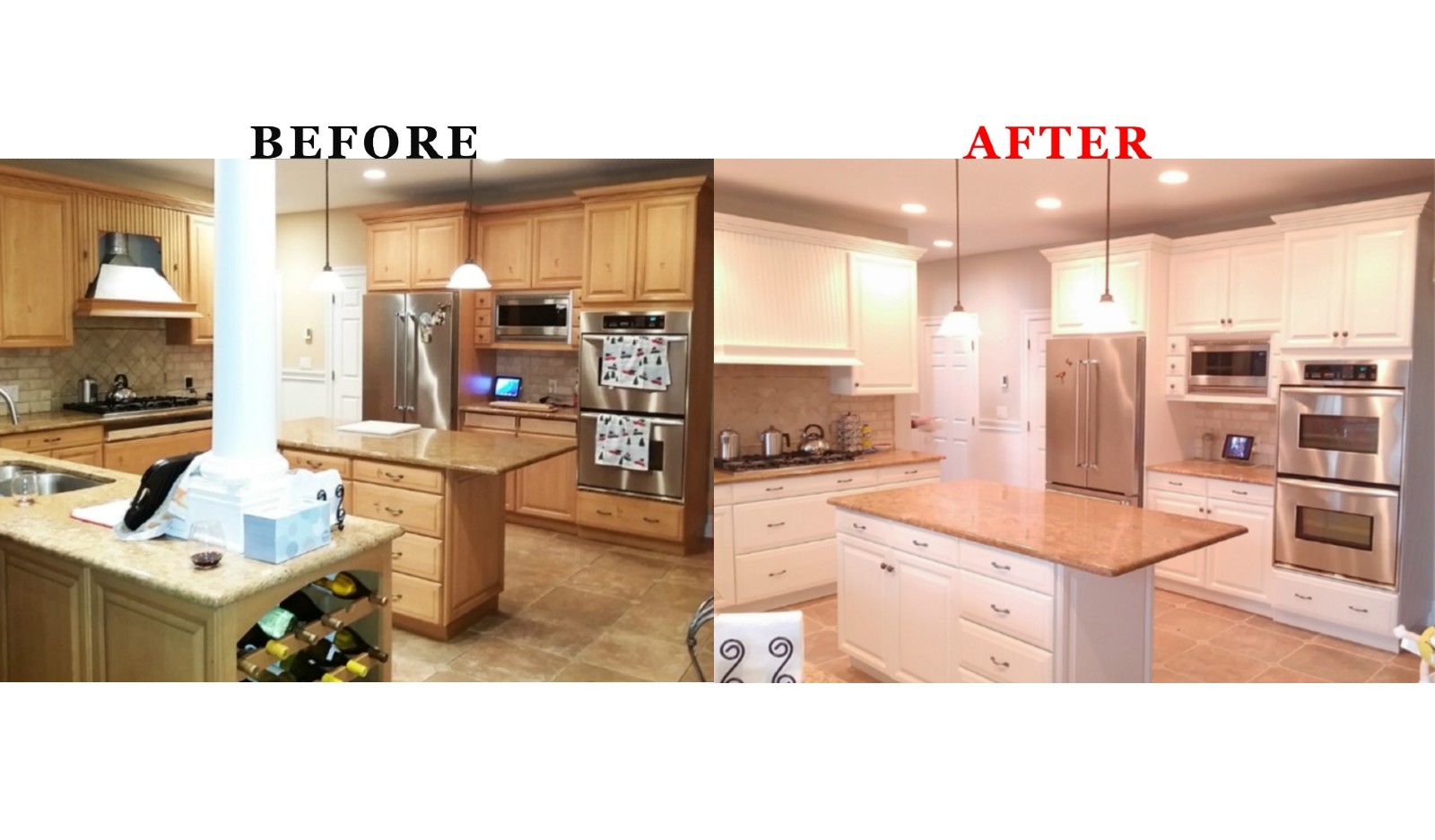
Some damage exceeds DIY repair capabilities, particularly on antique cabinets, specialty finishes, or extensive damage across multiple surfaces. High-gloss lacquer finishes, hand-rubbed oils, or distressed finishes require professional equipment and expertise to repair invisibly. If your cabinets have underlying issues like water damage or finish failure beyond the scratches, professional restoration may be more cost-effective than repeated DIY attempts.
Get estimates from at least two cabinet refinishers and request to see examples of similar work. Professional color-matching systems produce superior results on challenging repairs, but costs typically range from $200-$400 per cabinet door. If your kitchen has widespread wear beyond scratches, consider refacing or replacement rather than extensive repairs—sometimes investing in new cabinets provides better long-term value than repeatedly fixing deteriorating surfaces.
Fixing scratched kitchen cabinets yourself restores your kitchen’s appearance while saving significant money. Surface scratches often disappear with 20 minutes of effort using household items, while deep damage requires systematic filling, staining, and sealing. Take time to assess damage accurately, match colors carefully, and seal repairs properly. With these techniques, your cabinets will look nearly new again, and you’ll have the skills to address future damage before it becomes a major problem.