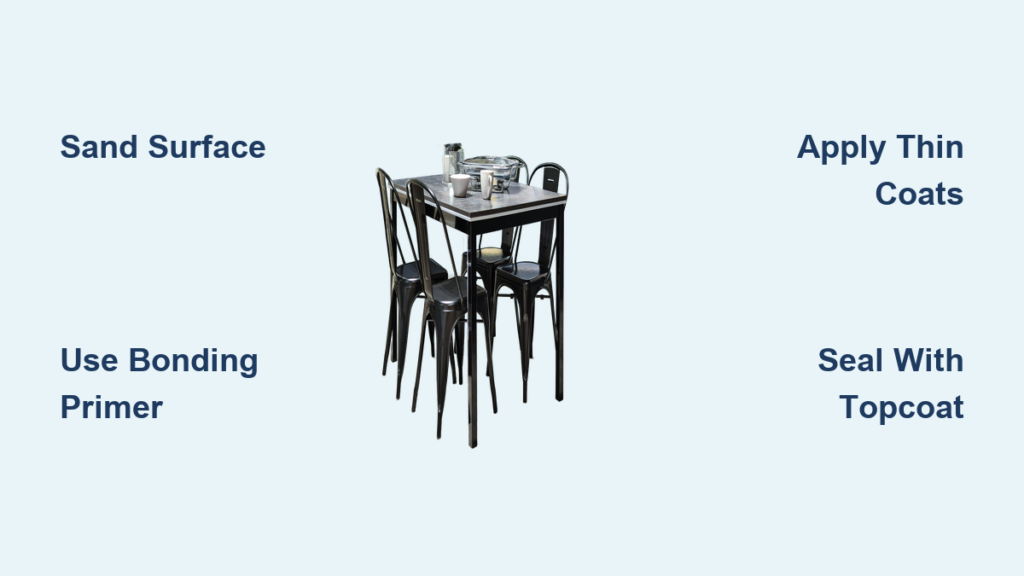
Nothing breathes new life into a kitchen like a beautifully painted table that becomes the centerpiece of your dining area. Whether you’re dealing with water stains, chipping finish, or simply want to refresh your room’s aesthetic, knowing the best way to paint a kitchen table ensures professional-quality results that withstand daily wear. Many DIYers rush through preparation or skip crucial steps like priming, only to find their beautiful paint job peeling within months. This guide reveals the exact process that delivers durable, beautiful results—transforming worn furniture into a stunning focal point that serves your family for years to come.
Identify Your Table’s Material and Condition
Before gathering supplies, determine exactly what you’re working with—this affects your entire approach. Solid wood tables require different preparation than laminate, veneer, or previously painted surfaces. Run your fingers across the surface to feel for texture: solid wood has visible grain patterns, while laminate feels perfectly smooth and uniform.
Check for structural issues that need addressing before painting—loose joints, wobbly legs, or deep scratches compromise your final result. Tables with multiple layers of old varnish need more intensive prep than those with a single worn finish. If you spot water rings or sticky residue, you’ll need to address these before proceeding. For laminate tables, which lack natural texture for paint to grip, you’ll need special bonding primer to prevent peeling.
Gather Professional-Grade Tools and Materials
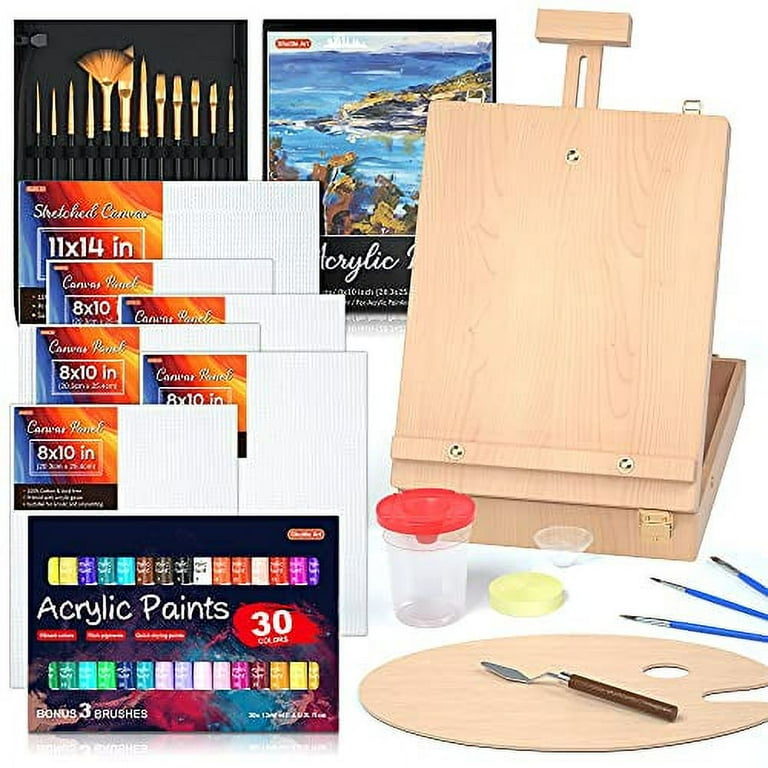
Using proper equipment makes the difference between a DIY-looking finish and professional results. The best way to paint a kitchen table efficiently requires specific tools organized before you begin.
Essential Preparation Supplies:
– Medium (120-grit) and fine (220-grit) sandpaper for different stages
– Electric orbital sander for large surfaces, sanding block for edges
– Tack cloths (not regular rags) to remove dust without scratching
– Mild dish soap, warm water, and non-abrasive sponges for cleaning
– Wood filler matching your table’s color for repairing damage
Paint Application Tools:
– High-quality synthetic brushes (2-3 inch width) for crisp edges
– 4-inch foam roller with disposable sleeves for smooth tabletop application
– Metal paint tray with disposable liner for easy cleanup
– Blue painter’s tape (not regular masking tape) for clean lines
– Heavy-duty drop cloths (plastic traps moisture and causes issues)
Quality tools pay for themselves in results. Cheap brushes leave visible brush strokes and shed bristles into wet paint, while professional-grade brushes maintain their shape through multiple coats. Don’t skip the tack cloths—they remove microscopic dust that would otherwise create a bumpy finish.
Execute Proper Surface Preparation
Skipping thorough preparation causes 90% of paint failure on furniture projects. Begin by mixing warm water with a few drops of dish soap and scrubbing every surface, including legs and undersides where hand oils accumulate over years. Rinse thoroughly with clean water and allow complete drying—any moisture trapped beneath new paint causes bubbling.
For tables with existing finish, use 120-grit sandpaper to remove the shiny top layer, creating “tooth” for new paint to grip. Follow with 220-grit for a smooth base. Sand in the direction of the wood grain using light pressure—your goal isn’t to strip all previous finish but to create uniform texture. Pay special attention to tabletop edges where previous coatings often build up. Remove all sanding dust with tack cloths, wiping in one direction to avoid embedding particles.
Tables with peeling paint require complete removal of loose material before proceeding. Fill any dents or scratches with wood filler, allowing it to dry slightly proud of the surface before sanding flush. This meticulous prep work creates the foundation for a finish that lasts.
Apply Bonding Primer for Maximum Adhesion

Primer isn’t optional—it’s the critical layer that bonds paint to your table’s surface. Without it, even the best paint will eventually peel. For most kitchen tables, use a bonding primer specifically formulated for furniture projects. Oil-based primers offer superior adhesion but require mineral spirits for cleanup, while modern water-based bonding primers provide excellent grip with easier application.
Apply primer in thin, even coats using your quality brush, working with the wood grain. Start with edges and legs before moving to the tabletop surface. Avoid thick applications that create visible texture through your paint. Allow primer to dry completely (typically 2-4 hours) before lightly sanding with 220-grit paper to remove any raised grain or brush marks. Wipe clean with a tack cloth—this between-coat sanding creates an ultra-smooth base that eliminates the “orange peel” texture common in DIY projects.
Choose the Most Durable Paint Formula
The paint you select determines both appearance and longevity. For kitchen tables that endure daily use, choose formulas designed for high-traffic surfaces:
Water-Based Enamel delivers the ideal balance for most DIYers—excellent durability without the yellowing of oil-based options. Modern formulations like Benjamin Moore Advance or Sherwin-Williams Emerald Urethane Trim Enamel self-level beautifully and resist yellowing in sunlit areas. These paints require good prep but reward you with a smooth, hard finish that withstands moisture and abrasion.
Chalk Paint Systems work well with proper sealing—apply two thin coats followed by multiple layers of clear wax or polyurethane topcoat. While popular for decorative pieces, chalk paint alone lacks the durability needed for kitchen tables unless meticulously sealed.
Avoid standard wall paint—it lacks the hardness required for furniture surfaces and will wear quickly under daily use. Invest in quality paint; the extra cost pays off in longevity and appearance. For the tabletop surface that takes the most abuse, consider using a slightly glossier sheen (satin or semi-gloss) which cleans more easily than flat finishes.
Master Professional Painting Techniques
The best way to paint a kitchen table involves technique as much as materials. Load your brush only one-third full, then apply paint in long, smooth strokes following the wood grain. Work in manageable sections to maintain a wet edge—blending wet paint into wet paint prevents visible lap marks.
For tabletop surfaces, use a foam roller with light pressure to achieve an ultra-smooth finish. Roll in one direction only, overlapping each stroke slightly. Immediately follow with a light “tip-off” using a quality brush to eliminate roller texture. Pay special attention to edges where paint tends to pool—these areas often require thinning the first coat with a small amount of water (for water-based paints) to prevent drips.
Apply two to three thin coats rather than one thick application. Allow proper drying time between coats (check manufacturer specifications), typically 4-6 hours for water-based enamels. Lightly sand between coats with 320-grit paper to remove any dust particles that landed on wet paint. This attention to detail creates a finish indistinguishable from professionally refinished furniture.
Apply Protective Topcoat for Maximum Durability
Sealing protects your hard work from moisture, heat, and daily wear. For kitchen tables, water-based polyurethane provides excellent protection without yellowing, especially important for light-colored paints. Apply three thin coats using a high-quality brush or foam applicator, allowing full drying time between coats.
For the most durable finish, consider wiping polyurethane—it’s applied with a cloth rather than brushed, creating an incredibly smooth, hard surface perfect for tabletops. Work in a well-ventilated area and maintain consistent temperature during application for best results.
Allow the final coat to cure completely before using the table—this takes 21-30 days for full hardness, though light use can begin after 72 hours. Placing items on the surface too soon creates permanent impressions in the curing finish. Patience during this final stage ensures your beautiful paint job withstands years of family meals and homework sessions.
Maintain Your Painted Table for Longevity
Proper care extends your table’s life significantly. Always use coasters under glasses and hot pads under dishes—direct contact with heat or moisture creates permanent rings. Clean spills immediately with a soft, slightly damp cloth rather than allowing liquids to sit. For regular cleaning, use mild soap and water; avoid harsh chemicals or abrasive cleaners that degrade the finish over time.
Place felt pads under decorative items to prevent scratching, and rotate these items periodically to ensure even wear. Address any chips immediately with touch-up paint to prevent moisture from reaching the underlying surface. With proper maintenance, your beautifully painted kitchen table will remain a functional work of art for years.
Avoid These Costly Painting Mistakes
Learning from common errors ensures your project succeeds. Skipping proper cleaning creates adhesion failures that appear months later. Rushing through sanding leaves visible imperfections magnified by paint. Applying paint too thickly causes cracking and extended drying times that attract dust.
Failing to allow adequate drying time between coats creates finishes that look great initially but fail under use. Not sealing painted surfaces properly leaves them vulnerable to moisture damage. Perhaps the most common mistake: using the table before the finish has fully cured, creating permanent impressions that ruin your hard work.
By following these detailed steps—the best way to paint a kitchen table—you’ll transform worn furniture into a beautiful, durable centerpiece that serves your family for years. The key lies in meticulous preparation, quality materials, and patience during application and curing. Your investment of time and attention will reward you with a professional-quality finish that enhances your kitchen’s aesthetic while withstanding daily life.