Do you dream of a walk-in pantry but lack the space? You’re not alone—most modern kitchens have limited dedicated pantry space, yet homeowners waste valuable storage capacity in existing cabinets. Learning how to use kitchen cabinets as a pantry unlocks hidden potential in your current kitchen layout without expensive renovations. By strategically converting standard cabinets into organized pantry systems, you’ll streamline meal prep, reduce food waste, and create a more functional cooking environment. This guide reveals exactly how to transform your ordinary kitchen cabinets into a highly efficient pantry system that works with your cooking habits and household needs.
The average kitchen contains 30 to 40 linear feet of cabinet space, yet much remains underutilized due to poor organization and random storage habits. With thoughtful planning and the right organizational tools, you can reclaim this wasted capacity and create a system where every food item has a designated home. Whether you live in a compact apartment or a spacious home, these practical strategies will help you maximize your existing kitchen cabinets as pantry storage that saves time and simplifies your daily cooking routine.
Assess Your Cabinet Space Before Organizing
Before purchasing storage containers or rearranging items, conduct a thorough assessment of your available cabinet space. Measure each cabinet’s interior dimensions—width, depth, and height—to understand your actual storage capacity. Note the location of each cabinet relative to your primary work areas, since pantry items used frequently during cooking should occupy spots near your stove or prep zone. Identify any obstacles within cabinets, such as plumbing pipes, corner lazy Susans, or fixed shelf limitations that affect storage options.
Consider which categories of food you need to store in your cabinet pantry. Dry goods like flour, sugar, pasta, and canned items form the foundation, but you may also want space for snacks, breakfast items, baking supplies, or small appliances depending on your cooking habits. Group similar items together mentally and note which categories require the most accessible locations. A cabinet near your coffee maker might become a dedicated breakfast station, while lower cabinets could house heavy items like canned goods that are awkward to lift from high shelves.
Evaluate your cabinet types and their inherent strengths. Base cabinets offer deep storage ideal for bulk items and heavy containers, though accessing contents requires bending. Wall cabinets provide easier access but typically have less depth, making them perfect for everyday items and lightweight goods. Corner cabinets, often the most challenging space, benefit from specialized solutions that maximize their awkward geometry.
Declutter and Organize Current Food Items First
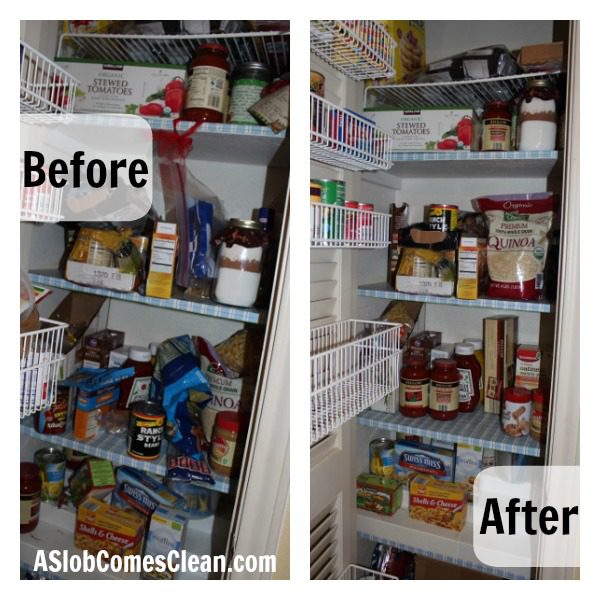
The transformation process begins with complete removal of everything currently stored in cabinets designated for pantry use. Pull out every item and sort it into three categories: keep, donate, and discard. Check expiration dates on all food products and dispose of anything past its prime. Remove items that belong elsewhere in the home, such as kitchen gadgets stored in food cabinets or non-food items that migrated into kitchen storage over time.
Once you’ve purged, group kept items by category to reveal your actual storage requirements. A typical household might establish groups including baking supplies, cooking oils and condiments, canned goods, dry pasta and grains, breakfast items, snacks, spices, and specialty cooking ingredients. This categorization process often reveals surprising quantities of duplicate items or forgotten supplies hiding in the back of cabinets. Understanding your true inventory prevents over-purchasing and helps determine exactly how much shelf space each category requires.
Clean the empty cabinets thoroughly before reintroducing organized items. Wipe down shelves with a mild soap solution, vacuum floor surfaces, and allow everything to dry completely. This fresh start eliminates crumbs, spills, and odors that accumulated over time. Consider applying shelf liners to protect surfaces and simplify future cleaning. Liners in natural cork or easy-wipe materials work particularly well in pantry cabinets since they resist moisture and can be removed and laundered periodically.
Install Adjustable Shelving for Flexible Storage
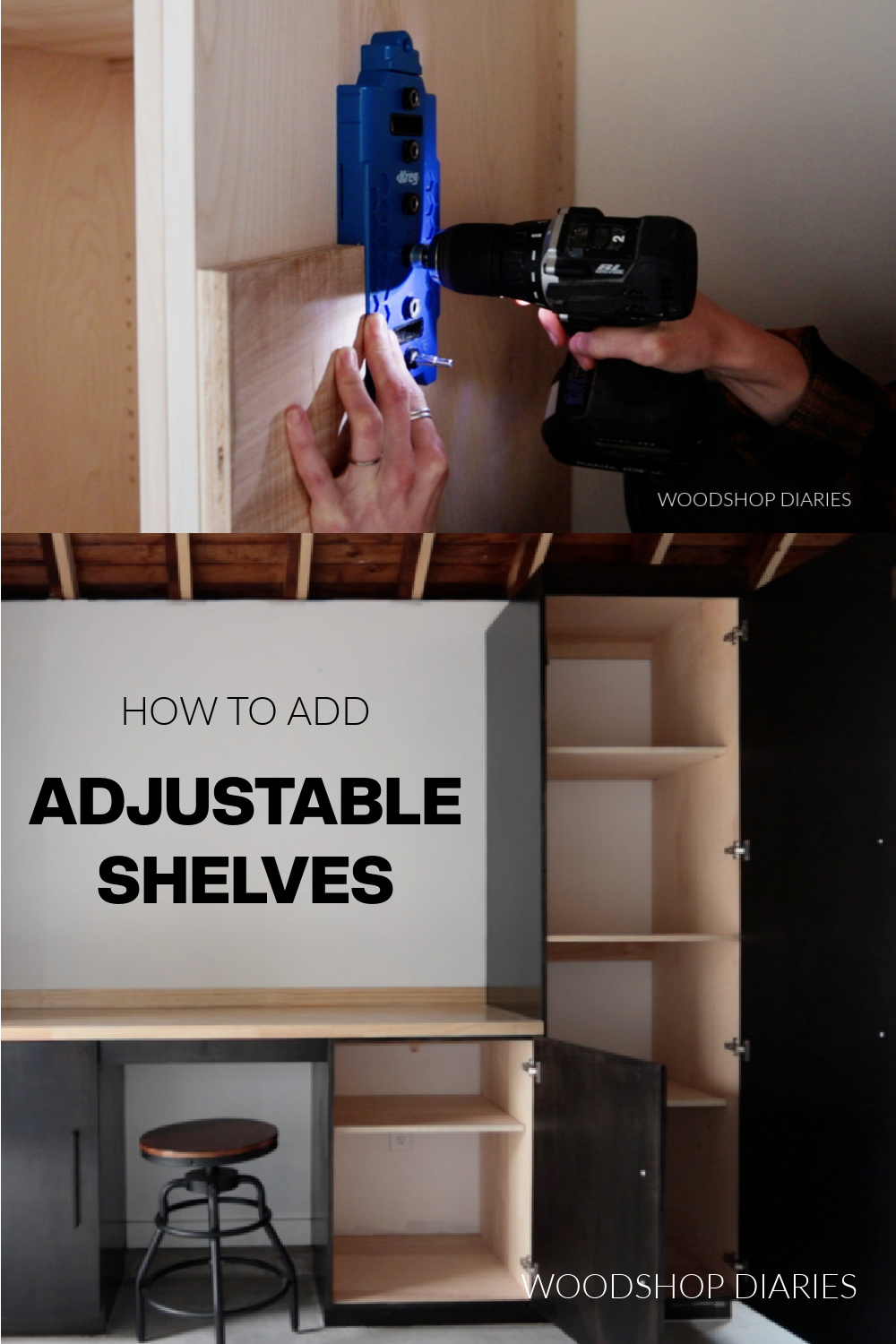
Standard cabinet shelves often sit too far apart for efficient pantry storage, leaving wasted vertical space above shorter containers. Adjustable shelving systems solve this problem by allowing you to customize shelf heights to match your specific container sizes and item categories. These systems typically mount within existing cabinet frames using clips that insert into vertical shelf standards, enabling repositioning without permanent modifications to your cabinets.
Measure your cabinet interiors carefully before purchasing shelving systems. Most adjustable systems come in standard widths that correspond to common cabinet dimensions, typically 12, 15, 18, or 24 inches. Select systems that fit your cabinets with minimal gap space on either side, since gaps create opportunities for small items to fall behind shelves or create dust accumulation zones. Some systems include partial-width shelves that stack vertically, effectively doubling storage capacity within tall cabinet interiors.
Consider your heaviest storage items when determining shelf placement. Heavier loads like canned goods, glass containers of liquids, or bulk dry goods should sit on lower shelves within comfortable reach height. Reserve upper shelves for lightweight items such as snack packages, rarely-used specialty ingredients, or seasonal baking supplies. This arrangement prevents awkward lifting of heavy objects from high locations and reduces the risk of items falling during retrieval.
Choose Proper Storage Containers for Maximum Efficiency

Invest in a matching container system to create visual uniformity and functional efficiency within your cabinet pantry. Clear containers with airtight lids allow quick identification of contents without opening each vessel, saving time during meal preparation. They also create a cohesive, professional appearance that makes cabinet interiors feel intentionally designed rather than haphazardly organized. Look for containers made from BPA-free materials, especially for items stored long-term.
Select container sizes based on your actual inventory and shopping habits. Large containers work well for bulk items like flour, sugar, rice, or pasta that you purchase in quantity. Smaller containers suit spices, extracts, small quantities of leftovers, or specialty ingredients used infrequently. Square and rectangular containers maximize space efficiency compared to round containers, which leave wasted corner space. Stackable designs further increase storage density and prevent items from toppling when accessing lower containers.
Match container types to their contents for optimal preservation. Airtight seals work best for dry goods vulnerable to moisture or pests, including flour, cereals, crackers, and pet food. Flip-top lids offer convenient one-handed access for frequently-used items like cooking oils or snacks. Containers with pour spouts simplify transferring dry ingredients without spillage. Avoid using original product packaging for long-term storage since it typically lacks proper sealing and takes up more space than repurposed containers.
Create Functional Zones Within Your Cabinet Pantry
Establish distinct zones within your cabinet pantry to create logical organization that matches your cooking patterns and household needs. A baking zone might include flour, sugar, baking powder, measuring tools, and mixing bowls clustered together for efficient baking sessions. A cooking oil zone groups olive oil, vegetable oil, vinegar, and frequently-used sauces in one accessible location. A breakfast zone gathers cereal, oatmeal, coffee, and breakfast dishes for quick morning routines.
Position zones based on frequency of use and workflow efficiency. Items used daily, such as cooking oils, frequently-used spices, or morning coffee supplies, deserve the most accessible shelf locations at comfortable standing height. Weekly or occasional items can occupy higher or lower shelves that require slightly more effort to access. Reserve the most challenging cabinet locations, such as deep corner cabinets, for items used rarely or in small quantities that don’t require frequent retrieval.
Label everything clearly to maintain organization over time and help all household members return items to proper locations. Label makers create uniform, professional-looking labels that withstand kitchen humidity and cleaning. Include contents on labels along with any relevant information like purchase dates, expiration warnings, or quantity notes. For households with children, picture labels or labels featuring both text and icons help young family members participate in maintaining organized storage.
Maintain Your Cabinet Pantry System Long-Term
Establish regular maintenance routines to keep your cabinet pantry functioning efficiently over time. Schedule monthly checks of stored items, rotating older products to the front and identifying anything approaching expiration. Remove and clean containers periodically, especially those holding oils, sticky sauces, or aromatic spices that can leave residues or odors. Wipe shelf surfaces and replace liners as needed to maintain sanitary storage conditions.
Reassess your organization system whenever cooking habits or household needs change. New recipes, dietary restrictions, or family size changes may require reorganizing zones or adjusting container sizes. Children growing older might need different snack accessibility, while dietary changes could eliminate some categories entirely while expanding others. Periodic evaluation prevents gradual disorganization and keeps your cabinet pantry aligned with actual household needs.
Train all household members to return items to designated locations after use. Consistent participation prevents the gradual breakdown of organized systems that occurs when items get put back in wrong spots. Make organization easy by ensuring every category has an obvious home and every container has a clear label. Consider creating a simple reference guide or photograph showing proper organization for households that benefit from visual reminders.
Final Note: By implementing these strategies for how to use kitchen cabinets as a pantry, you’ll transform underutilized storage into a highly functional system that supports your cooking workflow and reduces food waste. Start with a thorough assessment of your space, invest in quality containers that match your needs, and establish organization zones based on how you actually use your kitchen. With consistent maintenance and periodic adjustments, your cabinet pantry will become an invaluable asset that makes meal preparation easier and keeps your kitchen functioning at its best. Remember that the most effective pantry system is one that aligns with your specific cooking habits and household needs—not a one-size-fits-all solution.