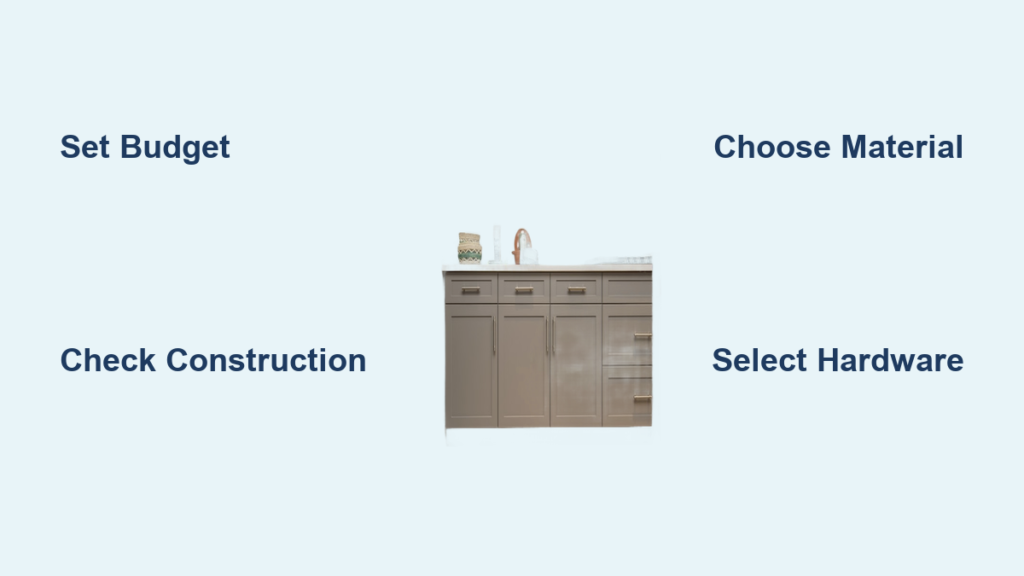
Choosing kitchen cabinets represents one of the most significant decisions in any kitchen renovation project. These essential elements consume approximately 40% of your total kitchen budget while establishing the visual foundation for your entire space. Whether you’re undertaking a complete remodel or a strategic update, understanding how to pick out kitchen cabinets that perfectly balance aesthetics, functionality, and value will transform your kitchen into a space you’ll cherish for years. This guide cuts through the confusion with actionable insights that help you navigate cabinet selection with confidence, avoiding common pitfalls that lead to buyer’s remorse.
Calculate Your Realistic Cabinet Budget Before Shopping
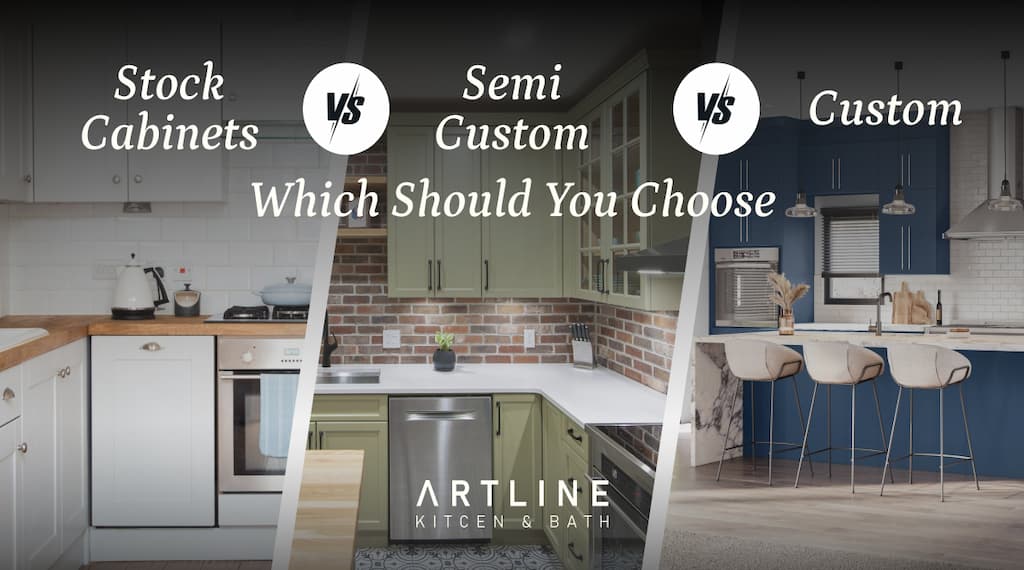
Before stepping foot in a showroom, determine exactly how much you can allocate to kitchen cabinets without compromising other critical elements of your renovation. Stock cabinets available at major home improvement stores typically cost $60-$200 per linear foot—ideal for rental properties or quick updates where customization isn’t a priority. These pre-built options come in limited sizes and finishes but offer immediate availability and professional installation services that simplify the process for time-pressed homeowners.
Semi-custom cabinets deliver the optimal value proposition for most primary residences, ranging from $150-$500 per linear foot. This category provides substantial flexibility for adjusting dimensions, selecting from numerous wood species, and incorporating specialized storage solutions while maintaining reasonable pricing. Homeowners who understand how to pick out kitchen cabinets wisely often discover that semi-custom options accommodate unique kitchen layouts without the steep price tag of fully custom cabinetry, making them perfect for families planning to stay in their homes for 5+ years.
Custom cabinetry represents a serious investment starting at $500 per linear foot and potentially exceeding $1,200 for exotic woods and intricate detailing. These one-of-a-kind pieces are engineered to your exact specifications, allowing for unconventional dimensions, premium materials, and artisanal craftsmanship that transforms cabinets into true focal points. While the initial cost seems daunting, custom cabinets often deliver superior return on investment through enhanced home value and unparalleled satisfaction with the final result—particularly valuable if you’re designing a forever home.
How to Allocate Your Budget Strategically
Focus spending on high-impact areas where quality matters most: base cabinets that support heavy appliances and daily wear should receive priority over upper cabinets. Allocate extra funds for organizational features in cabinets you use most frequently—like pull-out spice racks near your cooking zone or deep drawers for pots and pans. Consider dedicating 10-15% of your cabinet budget to premium hardware that enhances both functionality and visual appeal, as these elements can be changed later if your style evolves.
Identify Premium Cabinet Construction Features
:max_bytes(150000):strip_icc()/Wood-Joints-fdf0ae5b6e2c40438e6800fe91fe2733.png)
When learning how to pick out kitchen cabinets that withstand daily use, examine construction details that reveal true quality beyond surface appearances. Solid hardwood frames joined with dovetail or mortise-and-tenon techniques demonstrate superior craftsmanship compared to staples or industrial glue alone. These traditional joinery methods create stronger connections that resist loosening over time, even with frequent use and environmental changes.
What to Look for in Cabinet Boxes
Plywood cabinet boxes constructed from ½-inch or thicker hardwood plywood provide exceptional strength and moisture resistance—critical in kitchen environments where humidity fluctuates. Avoid particleboard boxes that swell when exposed to moisture, particularly near sinks or dishwashers. When inspecting drawers, check for full-extension ball-bearing slides that support heavy loads smoothly and quietly. Test drawer operation in showrooms—premium drawers should glide effortlessly even when empty, indicating quality hardware installation.
Select Materials That Match Your Lifestyle

Solid wood doors offer timeless beauty but require careful consideration based on your household’s demands. Oak’s pronounced grain pattern hides minor scratches well but shows water spots readily. Maple provides a smoother surface ideal for painted finishes and resists dents better than softer woods. Cherry develops a rich patina over time but may darken unevenly in areas with varying light exposure. Walnut delivers dramatic visual impact but shows wear more noticeably than lighter woods.
Real-World Finish Considerations
Thermofoil cabinets (vinyl-wrapped MDF) offer budget-friendly durability but can peel near heat sources like ovens or cooktops. Laminate alternatives provide better heat resistance but may show visible seams that detract from high-end aesthetics. Painted cabinets create crisp, contemporary looks but require meticulous maintenance to prevent chipping on high-touch areas. For families with children or busy households, consider durable wood species like hickory or maple with protective factory finishes that withstand frequent cleaning.
Choose Door Styles That Define Your Kitchen’s Personality
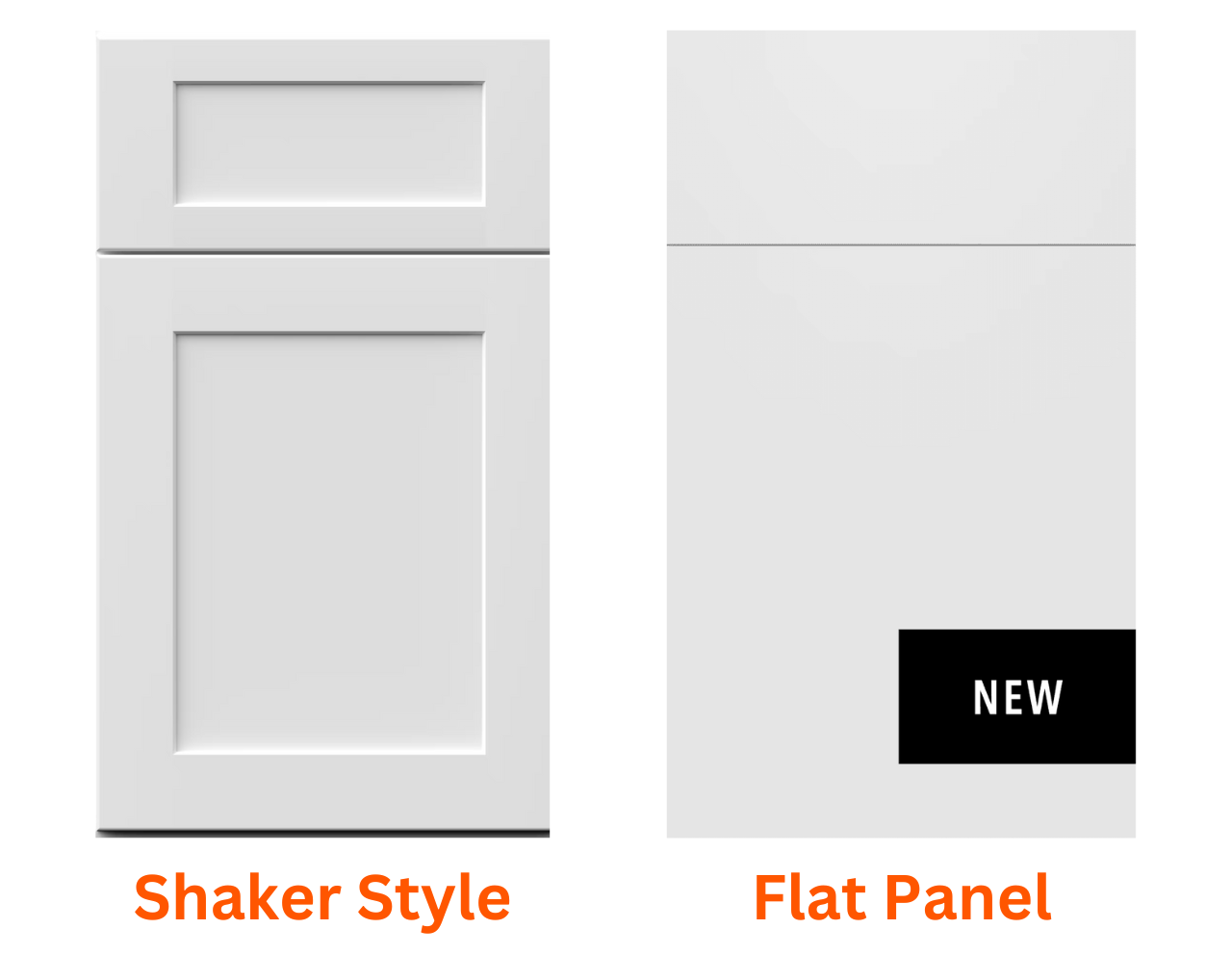
Shaker-style doors remain the most versatile option when learning how to pick out kitchen cabinets, working equally well in traditional, modern, and transitional spaces. Their clean lines and recessed center panels provide subtle detail without overwhelming the space. For contemporary kitchens, flat-panel slab doors create sleek, uncluttered appearances—just ensure your kitchen has excellent lighting to prevent the space from feeling cold or sterile.
Strategic Glass Door Placement
Incorporate glass-front cabinets selectively to showcase beautiful dishware while maintaining visual balance. Use frosted or seeded glass in lower cabinets if you prefer displaying decorative items without revealing everyday clutter. Consider open shelving for 10-15% of your upper storage to break up visual monotony and provide easy access to frequently used items—just be prepared for increased cleaning requirements.
Coordinate Colors With Your Entire Kitchen Design
White cabinets continue dominating kitchen design for good reason—they brighten spaces, create visual expansion, and provide neutral backdrops for colorful decor. However, pure white shows fingerprints and water spots readily in high-traffic households. Consider off-white or warm ivory tones that maintain brightness while hiding everyday wear better than stark white alternatives.
Creating Impact With Dark Cabinets
Deep blue, forest green, or charcoal lower cabinets add sophistication and visual weight to kitchen designs. Pair dark lowers with lighter uppers to prevent the space from feeling closed in. Ensure adequate task lighting under upper cabinets to illuminate work surfaces, as dark cabinets absorb more light than lighter finishes. For small kitchens, use dark cabinets selectively on islands or lower cabinets only to create focal points without overwhelming the space.
Select Hardware That Elevates Your Design
Hardware functions as the jewelry of your kitchen—small details that significantly impact overall aesthetics. For Shaker cabinets, consider bin pulls that complement the clean lines without competing for attention. Modern slab doors work beautifully with integrated finger pulls or minimalist bar handles in matte black finishes. Traditional raised-panel cabinets pair well with ornate knobs or cup pulls in antique brass or oil-rubbed bronze.
Practical Hardware Considerations
Ensure hardware scale matches your cabinet size—oversized pulls on small drawers create visual imbalance. Test hardware in the store by holding pieces near cabinet samples to gauge proportion. Consider uniformity versus contrast: matching all hardware creates cohesion, while mixing metals (like brass on uppers and black on lowers) adds visual interest. Remember that most hardware can be changed later, allowing you to refresh your kitchen’s look without replacing cabinets.
Maximize Storage With Smart Organizational Features
Transform awkward spaces into highly functional storage with strategic organizational solutions. Install pull-out trash and recycling systems adjacent to your primary work zone for seamless cleanup during food preparation. Utilize corner cabinet space with rotating lazy Susans or pull-out shelves that bring contents to you rather than requiring awkward reaching.
Drawer Organization That Works With Your Cooking Style
Customize deep drawers with adjustable dividers that accommodate your specific kitchen tools and utensils. Create dedicated zones: one drawer for baking tools near your mixer, another for cooking utensils next to the stove. Install vertical dividers for baking sheets and cutting boards that prevent warping and make items immediately visible. Consider a dedicated knife drawer with custom slots that protects blades while keeping them readily accessible.
Verify Measurements Before Finalizing Orders
Accurate measurements prevent costly installation problems down the line. Note ceiling height variations—standard 8-foot ceilings typically accommodate two rows of upper cabinets with a soffit in between, while 9-foot ceilings allow for stacked cabinets that extend to the crown molding. Measure appliance spaces precisely, including clearance for door swing and ventilation requirements, before finalizing cabinet dimensions.
Working With Problematic Layouts
For kitchens with sloped ceilings or unusual angles, consider custom cabinet solutions that maximize every inch of available space. In galley kitchens with limited width, opt for shallower base cabinets (22 inches instead of standard 24) to create additional walkway space without sacrificing significant storage capacity. Always measure existing plumbing and electrical locations to ensure cabinet placement won’t interfere with necessary access points.
Evaluate Warranties and Installation Support
Warranty terms reveal much about manufacturer confidence in their products. Comprehensive warranties covering both materials and labor for 10+ years typically indicate higher quality construction and customer service commitment. Some manufacturers require professional installation to maintain warranty validity—factor this into your budget planning.
Installation Considerations
Professional installation typically costs $50-$150 per cabinet but ensures proper alignment, secure mounting, and clean finished appearances. For DIY installations, invest in proper tools including cabinet jacks, laser levels, and quality mounting hardware. Begin with upper cabinets to maintain clear workspace, ensuring they’re perfectly level before installing base cabinets. Allow expansion gaps between cabinets to accommodate seasonal wood movement.
Maintain Your Cabinets for Long-Term Beauty
Preserve your investment with appropriate cleaning and maintenance. Clean wood cabinets weekly with mild soap and water, avoiding abrasive cleaners that strip finishes. Wipe up spills immediately to prevent moisture damage, particularly on particleboard edges. Tighten loose hardware quarterly to prevent enlarged screw holes that compromise cabinet integrity.
Seasonal Maintenance Tips
During dry winter months, maintain humidity levels between 35-50% to prevent wood shrinkage and gaps. In humid summer months, ensure proper ventilation to reduce moisture absorption that causes swelling. Apply furniture wax annually to painted cabinets to maintain sheen and protect against minor scratches. Check door and drawer alignment seasonally, making minor adjustments as needed to accommodate wood movement.
Selecting kitchen cabinets requires balancing numerous considerations, but approaching the process methodically transforms an overwhelming task into an exciting design opportunity. By understanding how to pick out kitchen cabinets that align with your budget, lifestyle, and aesthetic preferences, you’ll create a kitchen that functions beautifully while expressing your personal style for years to come. Take time to request samples, consult with experienced designers, and visualize your choices in your actual space before finalizing decisions—your future self will thank you every time you open a perfectly organized cabinet in your dream kitchen.