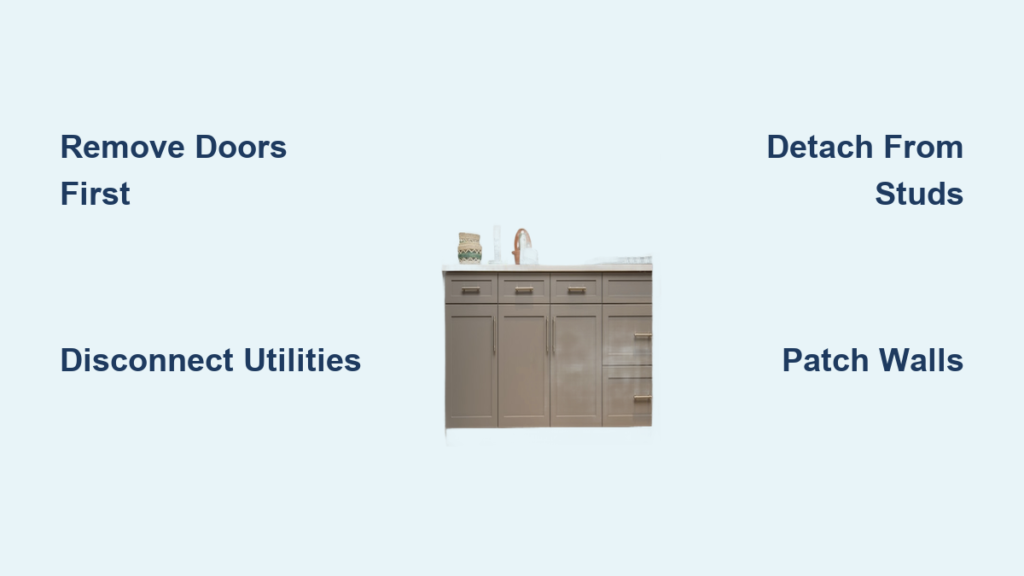
Removing kitchen cabinets requires careful planning and execution to avoid damaging your walls or injuring yourself. Whether you’re updating your kitchen layout or preparing for a complete remodel, knowing exactly how to take out kitchen cabinets properly saves time, money, and frustration. Most homeowners attempting this project underestimate the complexity involved—cabinets are securely anchored to wall studs, often interconnected, and may conceal electrical wiring or plumbing connections. By following this systematic approach, you’ll complete your cabinet removal efficiently while preserving your wall integrity for future installations. This guide provides everything you need to know about how to take out kitchen cabinets safely and effectively.
Before grabbing your tools, understand that removing kitchen cabinets isn’t just about unscrewing them from the wall. Modern cabinets are engineered to withstand daily use, meaning they’re anchored deep into wall studs with multiple fasteners per unit. Upper cabinets typically hang from mounting rails secured to studs, while lower cabinets often attach to both walls and floors. The process for how to take out kitchen cabinets properly involves disconnection from utilities, careful detachment from adjacent units, and systematic removal to prevent damage. Most standard kitchen cabinet removal projects take between 8-16 hours of actual work time, depending on your kitchen size and whether you’re removing upper cabinets, lower cabinets, or both.
Gather Essential Tools for Cabinet Removal

Having the right equipment before starting how to take out kitchen cabinets prevents project delays and ensures safety throughout the process. Your basic toolkit must include a cordless drill with multiple bit sizes, both Phillips and flathead screwdrivers, a sturdy hammer, a 12-18 inch pry bar, and a sharp utility knife for cutting through adhesive. Safety gear is non-negotiable—work gloves protect your hands from splinters and sharp edges, safety glasses shield your eyes from falling debris, and a quality dust mask prevents inhalation of decades-old kitchen dust and potential mold spores.
What to Do When Standard Tools Aren’t Enough
For particularly stubborn cabinets, supplement your basic toolkit with specialized equipment. A reciprocating saw with metal-cutting blades proves invaluable for severing hidden nails or screws that won’t budge with conventional methods. A magnetic stud finder helps locate wall anchors more accurately than standard models, especially when cabinets obscure wall surfaces. Consider renting a drywall vacuum system if you’re concerned about dust control, as standard shop vacuums often can’t handle fine drywall particles. Don’t forget wall repair supplies—spackle, sandpaper, joint compound, and primer should be ready before you begin, as you’ll want to address wall damage immediately after cabinet removal.
Prepare Your Kitchen Workspace Before Removal
Thorough workspace preparation makes the how to take out kitchen cabinets process safer and more efficient. Start by completely clearing countertops of all appliances, dishes, and decorative items that could obstruct your work or suffer accidental damage. Empty all cabinet contents, sorting items into keep, donate, and discard piles—this doubles as an excellent opportunity to declutter your kitchen before new installations. Protect your flooring with heavy-duty cardboard or canvas drop cloths, especially if you have hardwood, tile, or luxury vinyl plank flooring that could be scratched by falling tools or debris.
Critical Safety Measures Before Starting
Before touching any tools, address potential electrical hazards in your workspace. Locate all outlets behind or within cabinets and turn off their circuits at the main breaker panel. Verify power is off using a non-contact voltage tester before proceeding. If your cabinets house under-cabinet lighting, disconnect those power sources following manufacturer instructions. Cover remaining appliances like your refrigerator and stove with plastic sheeting secured by painter’s tape to protect them from dust and debris. Establish a clear pathway from the kitchen to your disposal area to prevent tripping hazards when carrying heavy cabinet units.
Disconnect Utilities and Electrical Connections
Identifying and safely addressing utility connections represents one of the most critical steps in how to take out kitchen cabinets without causing damage or injury. Begin with electrical connections—carefully inspect inside cabinets for outlets mounted on end panels or concealed within cabinet structures. Turn off power to these circuits at your breaker box and verify with a voltage tester that wires are completely dead. If you discover any wiring modifications that appear unsafe or non-code compliant, consult a licensed electrician before proceeding.
Handling Plumbing and Gas Lines Safely
While less common, some cabinet removal projects require addressing plumbing connections, particularly in sink base cabinets. Locate shutoff valves under your sink and turn off both hot and cold water supplies before disconnecting any lines. Cap exposed pipes temporarily with threaded caps to prevent debris from entering your plumbing system. If your kitchen includes a gas range near cabinet areas, shut off the main gas supply valve before beginning removal work and have your gas lines professionally inspected if you suspect any connection points might be affected. Never proceed with cabinet removal if you detect a gas odor—evacuate immediately and contact your gas provider.
Remove Cabinet Doors and Drawer Fronts First
Starting with cabinet doors and drawer fronts significantly reduces the weight and complexity of each cabinet unit, making how to take out kitchen cabinets much safer and more manageable. Begin with upper cabinets, opening each door fully and locating the hinge mounting screws—most modern cabinets use concealed European hinges with screws accessible from the door side. Have a helper support heavy doors as you remove screws to prevent them from swinging unexpectedly and causing injury or damage.
Proper Organization of Removed Components
As you remove doors and drawer fronts, implement a systematic organization method to prevent confusion during reinstallation or disposal. Label each component with painter’s tape indicating its exact location (e.g., “Upper Left of Sink,” “Bottom Center Drawer Front”). Store hardware including hinges, knobs, and mounting screws in clearly labeled plastic bags or compartmentalized containers—these small pieces are easily lost and frustrating to replace. If you plan to reuse or donate cabinets, photograph the original hardware arrangement for reference during reassembly.
Detach Cabinets from Each Other and Wall Studs

With doors and drawer fronts removed, focus on disconnecting cabinets from adjacent units before attempting wall detachment—this is crucial for how to take out kitchen cabinets without causing structural damage. Cabinets typically connect through screws driven through side panels into neighboring units, often hidden near top and bottom edges. Methodically check inside cabinets and along connecting seams for these fasteners, removing them before attempting to separate cabinet units.
Identifying and Removing Wall Attachment Points
Upper cabinets usually secure to wall studs through mounting rails or cleats with screws penetrating the cabinet’s back panel or hanging strip. Use your stud finder to locate these attachment points, then remove screws starting from the bottom and working upward to prevent cabinets from swinging or falling. Lower cabinets often anchor to walls through back panels and may also screw directly to the floor—check underneath base cabinets for these hidden fasteners. Work slowly and deliberately, verifying all connection points are free before attempting to remove any cabinet unit.
Address Stubborn Fasteners Without Wall Damage
Even after removing visible fasteners, many cabinets resist removal due to construction adhesive, hidden nails, or covered screws—a common challenge in how to take out kitchen cabinets from older homes. Never force cabinets away from walls, as this typically causes significant drywall damage. Instead, use a utility knife to carefully slice through adhesive along cabinet edges, working slowly to avoid cutting too deeply into wall surfaces. Insert a thin pry bar between cabinet and wall, tapping gently with a hammer to create separation while minimizing wall damage.
Advanced Techniques for Problematic Installations
For cabinets stubbornly adhered with heavy construction adhesive, apply mild heat with a hair dryer to soften the bond before attempting removal. When encountering hidden finish nails, try punching them through from behind using a nail set and hammer—a less damaging approach than cutting. Reserve reciprocating saw use for extreme cases where cabinets were installed with excessive fasteners, cutting only through mounting rails while protecting wall surfaces with a metal shield. Taking extra time with stubborn fasteners prevents the extensive wall repairs that often derail renovation timelines.
Remove Cabinets Safely and Assess Wall Condition
With all fasteners addressed, you’re ready for the actual removal phase of how to take out kitchen cabinets. For upper cabinets, always have a helper support each unit as you work—start from one end and move systematically across the wall. Gently pull cabinets away from the wall while watching for any remaining adhesive spots that may resist release. Lower cabinets require special handling due to their weight—use furniture sliders or a hand truck to safely transport them out of the kitchen without injury.
Immediate Wall Assessment and Repair Planning
As each cabinet comes down, immediately inspect the wall behind it to document existing conditions and plan necessary repairs. Note stud locations by marking them lightly with pencil—this information proves invaluable when installing new cabinets. Remove all remaining mounting hardware from the wall, pulling nails and screws rather than cutting them flush to simplify patching. Stack removed cabinets in an organized fashion in your designated disposal area, keeping similar units together if you plan to donate or resell them. This organization saves significant time during the disposal phase of your project.
Patch and Repair Walls for Future Installations
After completing how to take out kitchen cabinets, proper wall preparation sets the stage for successful new installations. Begin by thoroughly cleaning wall surfaces with TSP solution to remove decades of kitchen grease and grime that could prevent proper adhesion of new materials. Address minor holes and gouges with spackle or joint compound, feathering edges to blend with surrounding wall surfaces. Allow repairs to dry completely before sanding smooth with fine-grit sandpaper.
Professional-Quality Wall Finishing Techniques
For larger wall imperfections or areas where cabinets concealed plumbing or electrical work, implement professional patching techniques. Cut drywall patches to fit cleanly around irregular holes, securing them with drywall screws before applying joint compound in thin, successive layers. After sanding repairs smooth, apply a quality primer to seal patched areas and create an even surface for new paint. Proper wall preparation at this stage prevents countless headaches during new cabinet installation and ensures your renovated kitchen has a professional, finished appearance.
Successfully removing kitchen cabinets requires patience, proper technique, and systematic execution at each stage. By following this detailed approach to how to take out kitchen cabinets, you’ll complete the project efficiently while preserving your wall integrity for future installations. Remember that taking extra time during fastener removal prevents the most common and costly mistakes, and thorough wall preparation sets the foundation for your kitchen’s next transformation. Whether you’re a DIY enthusiast or preparing for professional installation, this methodical process ensures your cabinet removal project progresses smoothly from start to finish.