Kitchen cabinets contain cleaning supplies, sharp utensils, and potentially dangerous items that pose serious risks to curious children. Learning how to lock kitchen cabinets properly protects your family while maintaining easy access for adults. This comprehensive guide covers everything you need to know about securing your kitchen storage, from selecting the right locking mechanism to proper installation techniques that ensure long-lasting security. Whether you’re a new parent, renter, or simply want to enhance kitchen safety, mastering how to lock kitchen cabinets gives you peace of mind without compromising functionality.
Why Your Kitchen Cabinets Need Immediate Locking
Preventing Poisoning from Household Cleaners
Over 50,000 children under age six visit emergency rooms annually due to accidental poisoning from household cleaners stored in kitchen cabinets. These products contain corrosive chemicals that can cause severe burns, respiratory distress, or even death with just a small ingestion. Standard cabinet latches offer no real barrier to determined toddlers who can pull themselves up and manipulate simple handles. Installing proper childproof locks creates a critical safety barrier between curious hands and dangerous substances, giving you valuable seconds to intervene before an accident occurs.
Stopping Access to Sharp Kitchen Tools
Knives, can openers, and other sharp implements pose immediate physical dangers when accessible to children. Even seemingly harmless items like broken glass or small utensils create choking hazards that can lead to life-threatening situations. Childproof locks prevent access to these hazards while allowing adults to maintain normal kitchen functionality. The right locking solution ensures that your cooking tools remain safely stored yet instantly available when you need them during meal preparation.
Choosing the Perfect Cabinet Lock for Your Kitchen
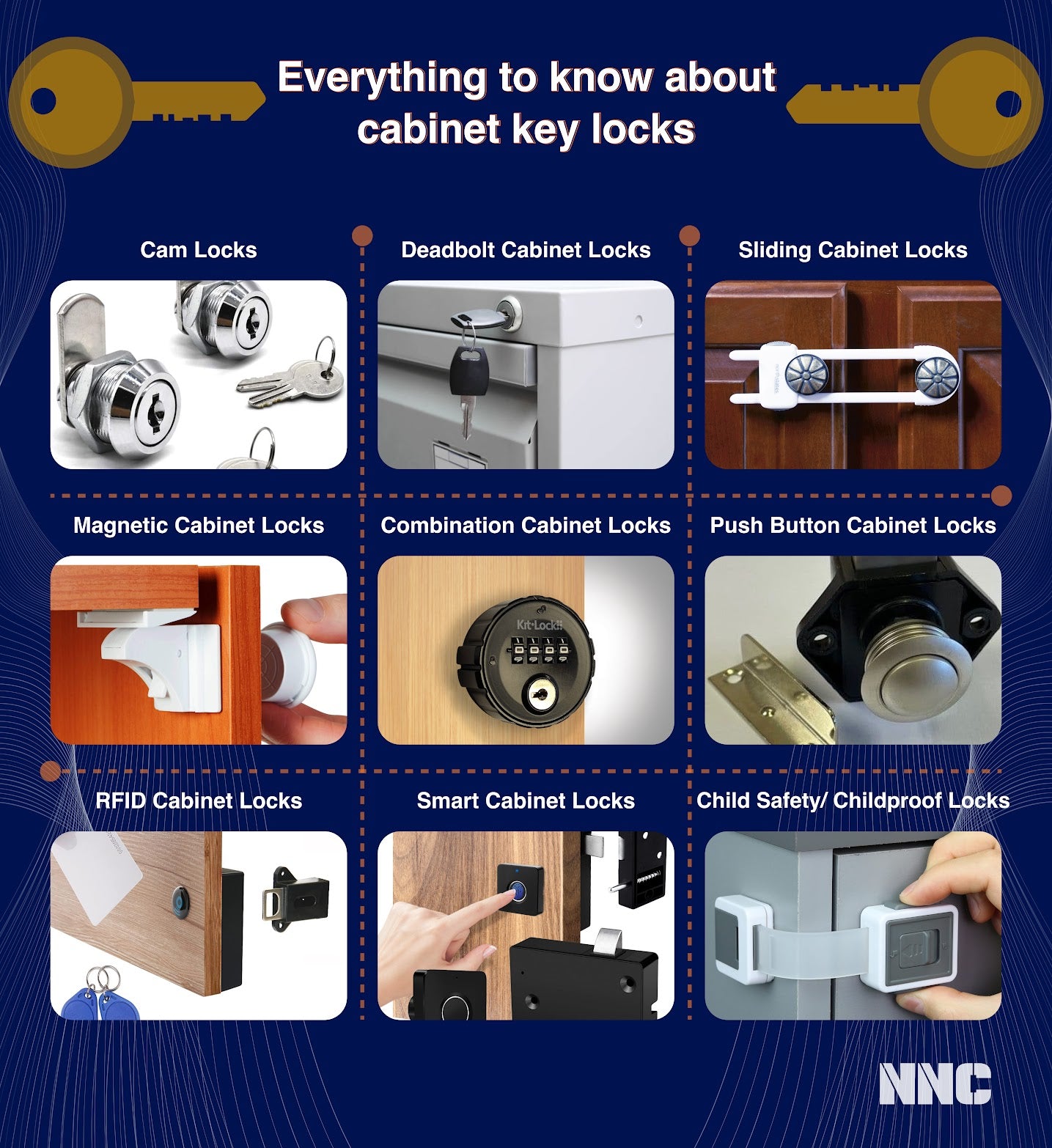
Magnetic Locks: Discreet Security That Works
Magnetic locks offer nearly invisible protection that maintains your kitchen’s aesthetic while providing robust security. These locks use powerful magnets embedded within the cabinet frame and door, requiring a separate magnetic key to release the latch. Installation takes just 15-20 minutes per cabinet and involves mounting the magnet mechanism inside the cabinet and applying a metal strip along the door edge. When properly installed, the lock remains completely hidden until you apply the magnetic key.
Pro Tip: Store magnetic keys on a lanyard around your neck or attached to your keychain—never leave them visible on countertops where children might find them. Magnetic locks work best on cabinets children can’t easily reach, as taller cabinets benefit from the discreet design that doesn’t attract attention.
Latch and Strap Locks: Budget-Friendly Protection
Latch-style locks remain the most accessible option for new parents due to their affordability and straightforward installation. These devices feature plastic latches that secure across cabinet doors, requiring adults to squeeze release tabs to open. Most models attach using strong adhesive backing that leaves no damage when removed—perfect for renters who need non-permanent solutions. Installation takes just 5 minutes per cabinet with no tools required.
Watch for these common mistakes:
– Failing to clean cabinet surfaces thoroughly before installation
– Placing release mechanisms within children’s natural reach
– Not allowing full 24-hour curing time before testing
– Installing only on lower cabinets while neglecting upper storage
Sliding Locks: Modern Solution for Contemporary Kitchens
Sliding locks provide a sleek, low-profile option that blends seamlessly with modern kitchen designs featuring handle-less cabinets. These locks install on cabinet interiors, featuring a mechanism that slides into place to prevent door opening. Installation requires emptying cabinets first, then mounting the mechanism with either adhesive or screws depending on your model. The sliding action offers durability that outperforms spring-loaded alternatives with no small parts to break.
Expert Note: Sliding locks work particularly well on cabinets with push-to-open mechanisms where traditional latches might interfere with normal operation. They’re ideal for upper cabinets containing breakables you want to protect from accidental access.
Step-by-Step Installation Guide for Each Lock Type
How to Install Magnetic Cabinet Locks in 4 Simple Steps
- Determine optimal placement – Position locks midway up cabinet doors where children can’t reach but adults can comfortably access (typically 36-42 inches from floor for lower cabinets)
- Mount the catch mechanism – Hold against cabinet frame interior, mark screw holes, drill pilot holes, and secure with provided hardware
- Align the magnet housing – Position on cabinet door interior ensuring perfect alignment with catch when door closes (use included template if available)
- Test thoroughly – Close door and verify lock engages automatically, then test release with magnetic key 10+ times to confirm reliable operation
Time Estimate: 15-20 minutes per cabinet | Difficulty: Moderate
How to Install Latch Locks Without Damaging Cabinets

- Prepare the surface – Clean cabinet edges thoroughly with rubbing alcohol to remove oils and residue
- Position the lock – Place latch so release mechanism faces outward but remains hidden from children’s view
- Apply firm pressure – Peel protective backing and press lock firmly for 30+ seconds to activate adhesive bond
- Allow proper curing – Wait full 24 hours before regular use to ensure maximum adhesive strength
Warning: Never install latch locks on cabinets with textured or porous surfaces—these require screw-mounted versions for reliable security.
Critical Testing Procedures After Installation
Verifying Lock Effectiveness Before Relying on Security
After installing how to lock kitchen cabinets solutions, thorough testing ensures they function correctly under real-world conditions. Test each lock multiple times simulating normal use patterns to identify potential issues. Magnetic locks should release cleanly with the key but hold firmly when closed. Latch locks should require deliberate adult action to open yet not interfere with cabinet closing.
Essential verification steps:
– Shake cabinet doors firmly to test accidental release
– Have older children attempt to open locked cabinets
– Check that locks don’t prevent complete door closure
– Verify adult access remains convenient without excessive force
– Test locks at different times of day as humidity changes affect operation
Maintenance Strategies for Long-Lasting Cabinet Security
Monthly Cabinet Lock Inspection Routine
Regular maintenance keeps your how to lock kitchen cabinets system functioning reliably for years. Establish a simple monthly routine that takes less than five minutes:
- Check all adhesive-backed locks for peeling or loosening, especially in kitchens with temperature fluctuations
- Clean lock mechanisms with a dry microfiber cloth to remove grease and food residue
- Test magnetic locks for proper alignment (doors shouldn’t have gaps when closed)
- Inspect latch mechanisms for cracks or wear that could compromise security
- Verify magnetic keys haven’t gone missing or become accessible to children
Pro Tip: During your monthly check, practice opening each lock with your non-dominant hand to ensure you can access cabinets quickly in emergency situations.
When to Upgrade Your Cabinet Locking System
Recognizing Signs Your Current Locks Aren’t Enough
As children grow, their problem-solving abilities develop rapidly, often outpacing basic locking mechanisms. Watch for these warning signs that indicate you need to upgrade how to lock kitchen cabinets:
- Children can open latches through trial and error
- Frequent “near misses” where you catch kids attempting access
- Cabinet doors show signs of forced entry attempts
- Children reaching age 24-30 months (when fine motor skills significantly improve)
- Using multiple cabinets with inconsistent locking mechanisms
Expert Recommendation: Rotate between two different lock types in your kitchen—this prevents children from learning a single method to bypass all security. For example, use magnetic locks on lower cabinets containing cleaners and latch locks on upper cabinets with breakables.
Quick Reference: Cabinet Lock Comparison
| Lock Type | Best For | Installation Time | Visibility | Child Resistance |
|---|---|---|---|---|
| Magnetic | Primary child safety | 15-20 min/cabinet | Hidden | Excellent |
| Latch/Strap | Renters, quick setup | 5 min/cabinet | Visible | Good (initially) |
| Sliding | Modern handle-less cabinets | 10-15 min/cabinet | Low | Very Good |
| Keyed | Maximum security needs | 20+ min/cabinet | Visible | Excellent |
Final Thoughts: Creating a Truly Safe Kitchen Environment
Mastering how to lock kitchen cabinets represents just one component of comprehensive kitchen safety. While proper locks prevent access to dangerous contents, they work best when combined with other safety measures like storing the most hazardous items in higher cabinets, maintaining organized storage so nothing gets misplaced near accessible areas, and teaching older children about kitchen safety rules. The right locking solution balances security with practicality—keeping dangerous items away from curious hands while allowing you to work efficiently in your kitchen.
Start with your most hazardous cabinets first (those containing cleaners and sharp tools), then expand your system as needed. Remember that no lock provides 100% security—supervision remains essential, but proper cabinet locks give you those critical extra seconds to prevent accidents. Implement these locking strategies today and enjoy a safer kitchen environment for your entire family tomorrow.