Kitchen fires cause over 150,000 home fires annually, resulting in billions of dollars in property damage and putting families at serious risk. The startling reality is that cooking accidents account for nearly half of all residential fires, with most occurring when someone steps away from the stove for “just a minute.” Learning how to prevent kitchen fires isn’t complicated—it requires awareness, simple habits, and proper equipment. This guide delivers actionable strategies you can implement today to transform your kitchen from a fire hazard zone into a safe cooking environment. Whether you’re preparing a quick weeknight dinner or hosting holiday feasts, these proven techniques will protect your home and loved ones from preventable disasters.
Never Leave Cooking Unattended While Preparing Meals
Cooking unattended causes one-third of all kitchen fires, making this the single most critical safety failure in American homes. When you step away from active cooking—even to check on children or answer the door—food can quickly overheat, dry out, and ignite within seconds. The solution isn’t complicated: establish a hard rule that someone must remain in the kitchen whenever the stove or oven is operating.
How to Create Effective Cooking Supervision Habits
Set multiple timers for different stages of your cooking process, especially for dishes requiring extended time. Smart home devices can announce when it’s time to check your food, eliminating the “I’ll just check in a minute” trap that leads to disasters. For households with children, implement the “two-foot rule”—keep kids at least two feet away from active cooking surfaces and designate a safe activity zone elsewhere in the kitchen.
What to Do When You Must Step Away
If an emergency requires you to leave the kitchen briefly, turn off all burners completely rather than reducing heat. For oven cooking, it’s generally safe to step away for short periods, but never leave deep-frying, sautéing, or broiling unattended. Professional chefs follow this rule religiously—adopt their discipline in your home kitchen.
Manage Cooking Oil Temperatures to Avoid Grease Fires
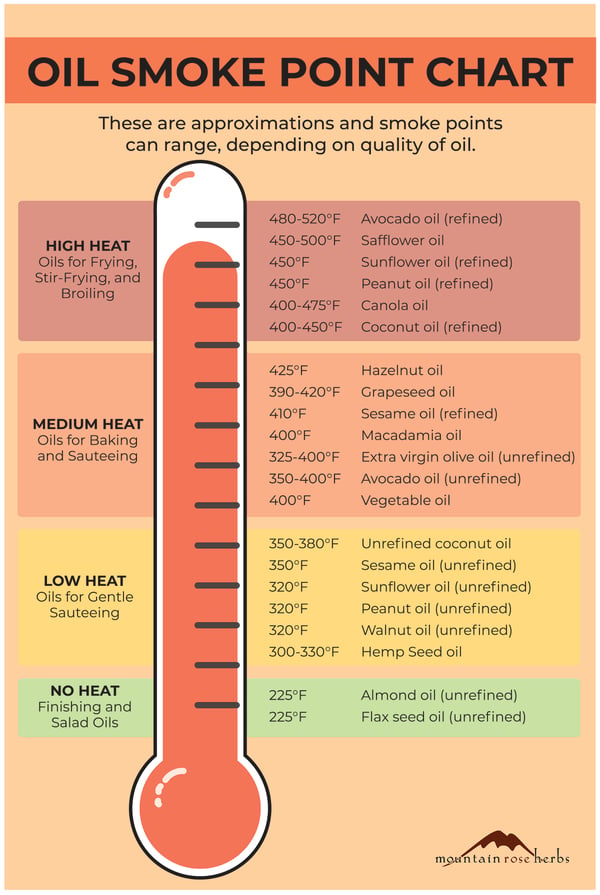
Grease fires ignite at temperatures between 350-450°F, far below many people realize, making oil management essential when learning how to prevent kitchen fires. Watch for early warning signs: shimmering oil, thin wisps of smoke, or that distinct “burnt” smell all indicate you’re approaching the flash point.
Choosing and Using Cooking Oils Safely
Select oils with higher smoke points for high-heat cooking—avocado oil (520°F), refined canola oil (400°F), or peanut oil (450°F) provide safer margins than olive oil (325-375°F). When deep-frying, use a thermometer to maintain oil between 350-375°F and never fill pots more than one-third full to prevent dangerous overflow when adding food.
Emergency Response for Grease Fires
If oil catches fire, never use water—the dramatic reaction causes explosive splattering that spreads flames. Instead, carefully slide a metal lid over the pan to smother flames by cutting off oxygen. Keep oven mitts nearby to protect your hands during this maneuver. If the fire grows beyond the pan, evacuate immediately and close the kitchen door behind you to contain potential spread.
Keep Flammable Materials Away from Heat Sources
Kitchen towels, oven mitts, paper products, and even loose clothing ignite surprisingly fast when near open flames or hot surfaces. Most homeowners don’t realize that a dish towel can catch fire in under 10 seconds when draped over a hot stovetop edge.
Creating Safe Kitchen Layout Zones
Establish a three-foot “safety circle” around all cooking surfaces where no flammable items are permitted. Store towels in closed cabinets rather than hanging near the stove, and use magnetic knife strips instead of wooden blocks close to burners. When cooking, roll up sleeves and remove dangling jewelry that could accidentally contact heating elements.
Critical Inspection Points for Fire Hazards
Regularly check behind your stove for accumulated grease, crumbs, and food debris that create hidden fire risks. Ensure curtains and blinds maintain at least 18 inches of clearance from cooking surfaces, and never store plastic containers, cookbooks, or paper products on or near the stove. These simple spatial adjustments dramatically reduce your fire risk.
Maintain and Inspect Kitchen Equipment Monthly
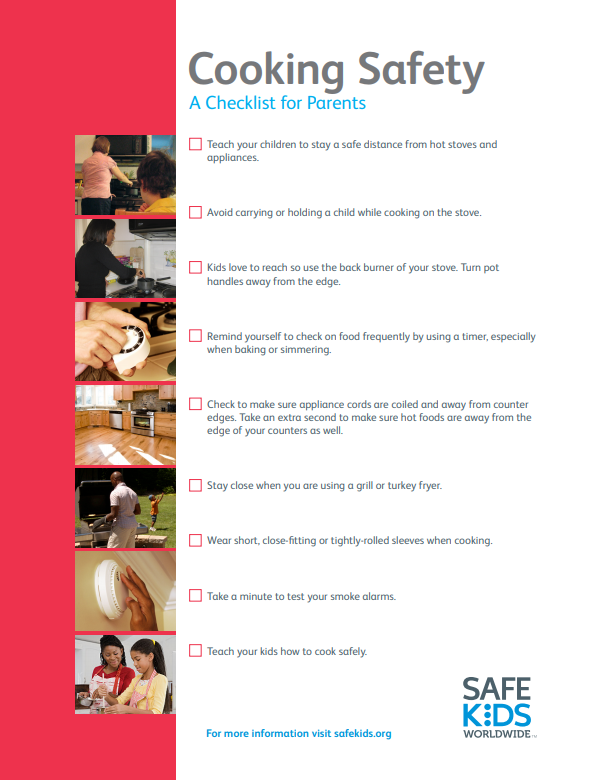
Faulty appliances cause thousands of kitchen fires annually, yet most homeowners never inspect their cooking equipment beyond basic cleaning. Frayed cords, grease buildup, and malfunctioning components create preventable hazards that proper maintenance eliminates.
Essential Appliance Safety Checklist
- Stovetop: Check for even burner flames (blue, not yellow) which indicate proper combustion
- Oven: Inspect door seals monthly for cracks that allow heat leakage
- Microwave: Never operate empty and clean interior regularly to prevent arcing
- Small appliances: Unplug when not in use and check cords for damage before each use
Deep Cleaning Schedule for Fire Prevention
Create a rotating maintenance calendar: clean range hood filters weekly, degrease stovetop surfaces after each use, and perform complete oven cleaning monthly. For gas stoves, carefully remove burner caps quarterly to clean clogged ports with a paper clip—blocked ports cause uneven heating and potential flare-ups.
Install and Maintain Proper Fire Suppression Equipment
Most kitchen fires start small but escalate rapidly when homeowners lack proper fire suppression tools. Standard ABC fire extinguishers work for most household fires but struggle with high-temperature cooking oil blazes that require specialized Class K extinguishers.
Fire Safety Equipment Placement Strategy
Store a 5-pound Class K or multi-purpose extinguisher within 30 feet of your cooking area but outside the immediate fire zone—typically mounted near an exit path. Test pressure monthly and replace every 12 years, or after any use. Supplement with fire-resistant oven mitts and keep metal lids nearby specifically for smothering pan fires.
When and How to Use Fire Extinguishers
Follow the PASS technique: Pull the pin, Aim at the fire’s base, Squeeze the handle steadily, and Sweep side to side. Only attempt extinguishing if the fire is smaller than your stove top and you have a clear escape route. If flames reach cabinets or walls, evacuate immediately—your safety outweighs property concerns.
Implement Child Safety Protocols in the Kitchen
Children under five face the highest risk of kitchen fire injuries, often from pulling hot items onto themselves or playing with stove controls. Establishing physical barriers and educational protocols creates multiple layers of protection.
Age-Appropriate Kitchen Safety Rules
- Under 5: Complete exclusion zone during active cooking
- 5-8: Observation only from designated safe area with adult supervision
- 9-12: Simple cooking tasks with direct supervision (stirring, measuring)
- 13+: Gradual responsibility with safety training
Childproofing Techniques That Actually Work
Install stove knob covers that require adult strength to operate, use back burners for cooking whenever possible, and apply stove guard rails to prevent accidental activation. Most importantly, teach children that the stove isn’t a toy and explain fire risks using age-appropriate language—this education sticks better than physical barriers alone.
Develop Immediate Response Protocols for Cooking Emergencies

Knowing exactly what to do during minor cooking incidents prevents small problems from becoming major fires. The critical first 15 seconds determine whether a smoking pan becomes a controllable situation or a house-threatening blaze.
Step-by-Step Smoke Response Procedure
- Turn off heat source immediately
- Carefully slide metal lid over pan (for stovetop incidents)
- Never open oven doors suddenly if smoking occurs
- Allow range hood to vent smoke for 5-10 minutes
- Only uncover after cooling for at least 15 minutes
Common Mistakes That Escalate Fires
Never use water on grease fires, wave towels at flames (adds oxygen), or move burning containers (spreads fire). If smoke alarms activate, don’t disable them—instead, ventilate the area while keeping the alarm functional. These counterintuitive actions prevent minor incidents from becoming major disasters.
Establish Daily Fire Prevention Habits That Stick
True kitchen fire prevention becomes automatic through consistent habits rather than conscious effort. Transform safety from something you “try to remember” into ingrained routines that operate without thought.
The 30-Second Kitchen Closing Routine
Before leaving the kitchen after cooking:
– Visually confirm all burners are off (use your hand to feel for heat)
– Wipe stovetop surfaces to remove grease buildup
– Store flammable items in closed cabinets
– Plug in only appliances currently in use
Monthly Safety Review Process
Schedule the first Sunday of each month to:
– Test smoke alarms with the test button
– Check fire extinguisher pressure gauge
– Clean range hood filters
– Inspect appliance cords for damage
– Practice fire escape routes with family
Final Safety Reminders: Preventing kitchen fires requires consistent attention to detail, not expensive equipment or complicated procedures. By implementing these strategies—never leaving cooking unattended, managing oil temperatures carefully, maintaining proper equipment, and establishing automatic safety habits—you dramatically reduce your risk. Remember that fire prevention works best as a family effort, so involve all household members in safety practices. The few seconds spent following these protocols each day pay immeasurable dividends in protecting what matters most—your home and loved ones. Start implementing one new safety habit today, and within weeks, these practices will become second nature, transforming your kitchen into a truly safe cooking environment.