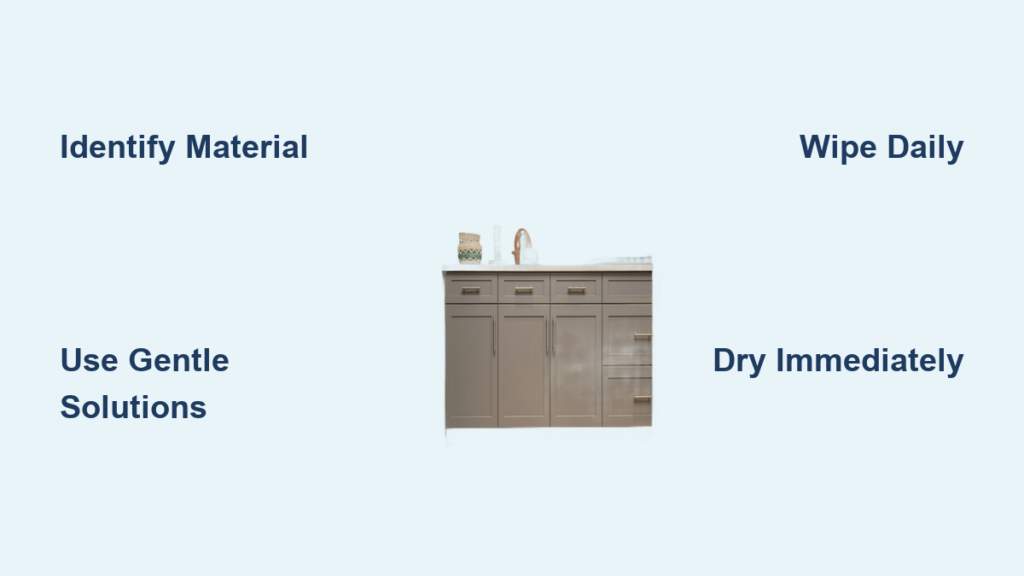
Grease-splattered cabinet fronts and sticky handles plague nearly every kitchen, but knowing the best method to clean kitchen cabinets transforms this dreaded chore into a quick, effective process that preserves your investment. Whether you’re battling years of cooking residue or maintaining recently installed cabinetry, the right approach prevents damage while restoring that just-installed shine. This guide delivers proven techniques for every cabinet material, tackles stubborn buildup that resists regular cleaning, and establishes maintenance routines that keep your kitchen looking pristine. Most importantly, you’ll learn how to clean kitchen cabinets without damaging finishes—a critical mistake that costs homeowners thousands in premature cabinet replacement.
Identify Your Cabinet Material Before Cleaning
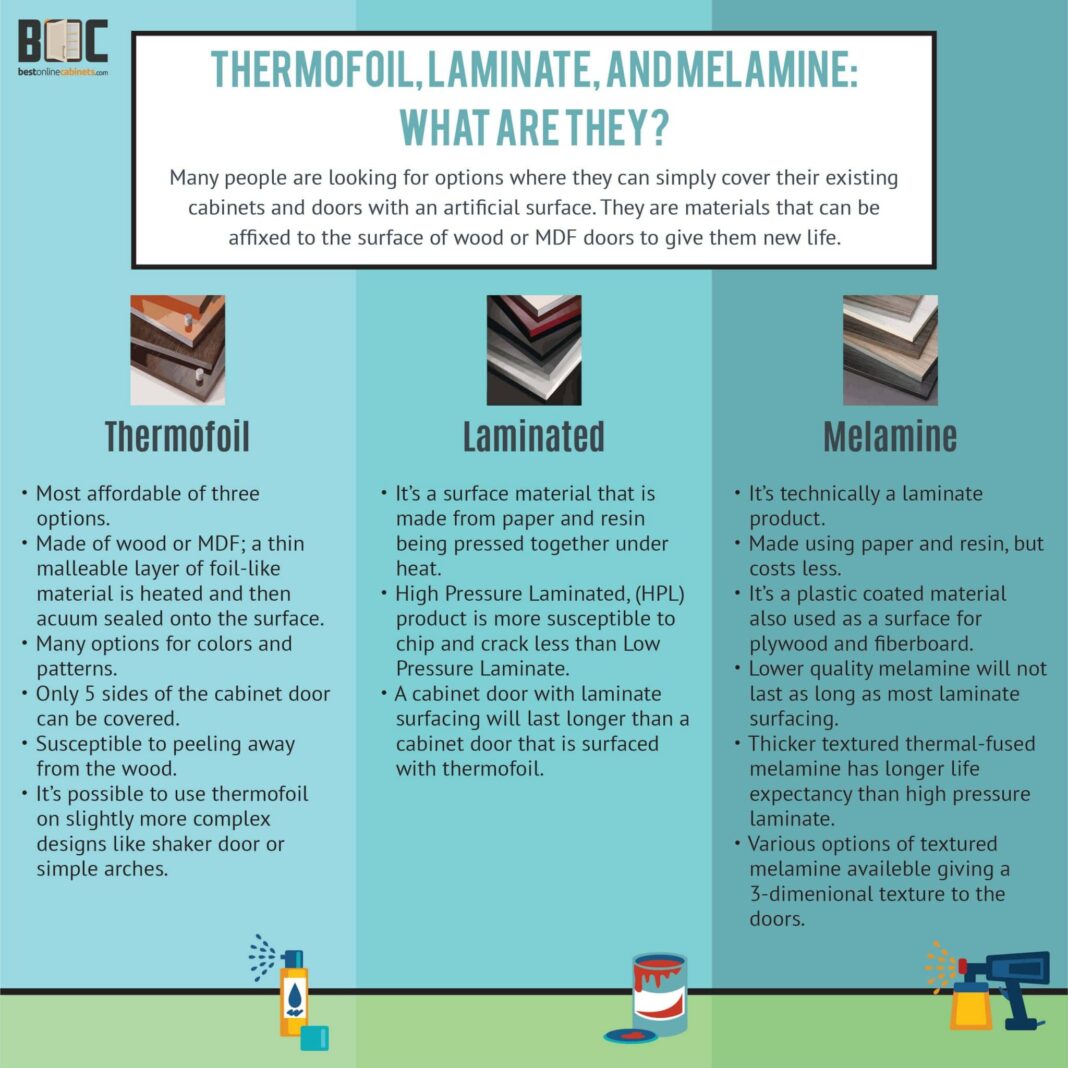
Your cabinet material dictates every cleaning decision you’ll make, as using the wrong method can cause irreversible damage to finishes and surfaces.
Wood Cabinets Require Gentle Cleaning Approaches
Wood cabinets—whether oak, maple, cherry, or walnut—demand special care due to their porous nature. Factory-finished wood withstands moderate cleaning, but unfinished or naturally sealed wood needs gentler solutions to prevent moisture absorption. Always clean with the grain direction to avoid streaking, and never saturate wood surfaces. Painted wood cabinets present an additional challenge, as aggressive cleaning can strip the paint layer while leaving grease behind. Test any new cleaning solution in an inconspicuous area like the inside of a cabinet door before applying it to visible surfaces.
Laminate and Thermofoil Need Different Techniques
Laminate cabinets with their synthetic surface bonded to particleboard tolerate more robust cleaning than wood but still require specific approaches. Glossy laminate shows fingerprints prominently, while matte finishes hide smudges but trap more grease in their textured surface. Never use abrasive pads on laminate, as they create permanent scratches that accumulate over time.
Thermofoil cabinets with their vinyl layer heat-bonded to substrate material cannot be sanded or refinished, making gentle cleaning essential. Avoid steam cleaners and excessive heat that can cause peeling. Never use baking soda paste or abrasive tools on thermofoil surfaces—these create microscopic scratches that accelerate deterioration.
Gather These Essential Cleaning Supplies First
Assembling the proper toolkit before you begin ensures efficient cleaning while preventing accidental damage to your cabinet surfaces.
Must-Have Cleaning Tools for Every Kitchen
- Microfiber cloths (at least 3): One for applying solution, one for rinsing, one for drying
- Soft-bristled brushes: Old toothbrushes or paint brushes for detailed work
- Spray bottle: For controlled application of cleaning solutions
- Step stool: For safely reaching upper cabinets
- Old towels: To protect countertops and floors during cleaning
Natural Cleaning Ingredients Already in Your Pantry
Your kitchen likely contains everything needed for effective cabinet cleaning without harsh chemicals:
- White distilled vinegar: Cuts through grease while being safe for most finishes
- Baking soda: Provides mild abrasion for stubborn spots (use cautiously)
- Liquid dish soap: Emulsifies oils without damaging most surfaces
- Olive oil: Conditions wood surfaces when used sparingly
- Lemon juice: Adds natural degreasing power and pleasant scent
Establish Daily Maintenance Routines That Prevent Buildup
The best method to clean kitchen cabinets starts with preventing heavy buildup rather than battling it after it occurs.
Daily Wipe-Down Protocol Takes Less Than 5 Minutes
Keep a microfiber cloth and small spray bottle of diluted dish soap (1 teaspoon soap to 1 cup water) near your cooking area. Immediately after cooking, wipe down cabinet fronts near the stove to remove fresh grease before it hardens. Pay special attention to handles and knobs where hand oils accumulate fastest. This simple habit prevents approximately 80% of the stubborn buildup that requires intensive cleaning later.
Weekly Cleaning Prevents Long-Term Damage
Fill your sink with warm water mixed with a few drops of dish soap. Dip a microfiber cloth into the solution and wring it until almost dry—excess moisture damages wood over time. Wipe all cabinet surfaces working top to bottom, paying extra attention to areas behind the stove and sink. Follow with a clean damp cloth to remove soap residue, then immediately dry with a third microfiber cloth. This weekly ritual takes just 15 minutes but prevents years of accumulated damage.
Deep Clean Wood Cabinets Without Causing Damage
Wood cabinets require the gentlest approach during deep cleaning while still addressing accumulated grease effectively.
Prepare the Perfect Wood Cleaning Solution
Combine one cup warm water, two tablespoons natural oil soap, and one tablespoon olive oil in a spray bottle. The oil component conditions wood while you clean, preventing the drying effect that plain soap causes. Shake gently before each use—vigorous shaking creates bubbles that leave residue.
Step-by-Step Wood Cabinet Deep Cleaning
- Remove all items from cabinets and cover countertops with old towels
- Spray solution onto microfiber cloth (never directly on cabinets)
- Wipe in small sections (about 2 square feet) using gentle circular motions
- For stubborn grease, let solution sit for 30 seconds before wiping
- Use soft-bristled brush for detailed carvings and textured surfaces
- Immediately follow with clean damp cloth to remove residue
- Dry thoroughly with separate microfiber cloth to prevent water spots
Remove Stubborn Grease from Laminate and Thermofoil

Laminate and thermofoil cabinets tolerate more robust cleaning than wood but still require specific approaches to prevent damage.
Laminate Cabinet Deep Cleaning Process
For standard cleaning, prepare a solution of warm water and dish soap at double the normal concentration. Apply with microfiber cloth, allowing solution to sit on heavily soiled areas for up to two minutes. For stubborn spots, make a paste of baking soda and water, apply to problem area, wait five minutes, then gently scrub with soft brush in circular motions. Always rinse with clean water and dry immediately to prevent streaks.
Thermofoil Requires Extra Caution
Thermofoil’s vinyl surface cannot withstand abrasives or excessive moisture. Clean with mild dish soap solution applied with soft cloth—never spray directly onto cabinets. Avoid baking soda paste entirely, as it creates microscopic scratches. Immediately dry all surfaces to prevent moisture from penetrating edges where vinyl meets substrate. Never use steam cleaners or excessive heat, which can cause bubbling and peeling.
Create Natural Cleaning Solutions That Actually Work
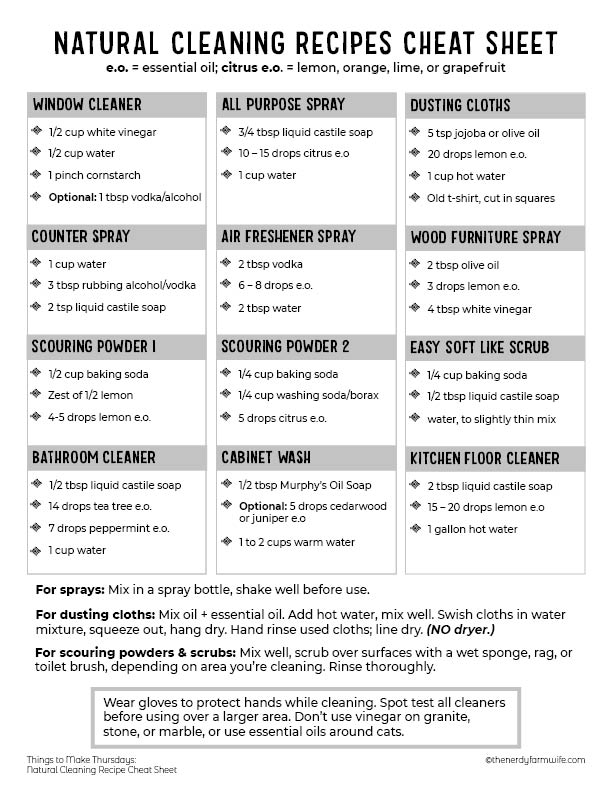
Pro Tip: The most effective natural cabinet cleaner combines one cup warm water, two tablespoons white vinegar, and one teaspoon dish soap in a spray bottle. Shake gently and apply to cloth rather than cabinets to control moisture exposure.
Heavy-Duty Grease Solution for Serious Buildup
For kitchens with significant cooking activity, prepare a stronger solution:
– One cup warm water
– Two tablespoons washing soda (not baking soda)
– One tablespoon natural dish soap
This provides enhanced degreasing power while remaining safer than commercial products. Test on painted surfaces first and rinse thoroughly to prevent residue.
Wood Conditioning Spray for Shine and Protection
Mix one cup warm water with two tablespoons olive oil and one tablespoon lemon juice. Shake before each use and apply sparingly—excess oil attracts dust. This cleans light dust while conditioning wood surfaces, creating a subtle shine that repels future grime.
Prevent Future Buildup With Smart Habits
Implement these protective measures during cooking to significantly reduce cabinet cleaning burden:
- Use splatter screens when frying to prevent oil particles from traveling to cabinets
- Turn on exhaust fans to draw grease-laden air away from cabinet surfaces
- Keep cabinet doors closed during heavy cooking sessions
- Place stove covers or aluminum foil behind stoves to catch splatter
Critical Mistake to Avoid: Never skip the drying step. Moisture left on cabinet surfaces causes water spots, promotes mold growth, and can lead to warping or finish damage that requires professional repair. Always include drying in your cleaning process.
Avoid These 3 Common Cabinet Cleaning Mistakes
Mistake #1: Using Excessive Moisture
The most common cabinet cleaning error involves oversaturation that allows water to penetrate seams and edges. Always wring cloths until nearly dry and avoid spraying solutions directly onto surfaces. Work methodically and dry immediately after cleaning each section.
Mistake #2: Harsh Chemical Applications
Most cabinet cleaning requires only mild solutions. Harsh chemicals can strip finishes, discolor surfaces, and create dangerous reactions when mixed. When stronger solutions seem necessary, mechanical action (scrubbing with appropriate brush) usually proves more effective and safer.
Mistake #3: Abrasive Tool Usage
Scratching cabinet surfaces with abrasive sponges creates permanent damage that accumulates over time. Even baking soda acts as an abrasive that can dull finishes with repeated use. Reserve abrasive approaches for the most stubborn situations and always test in inconspicuous areas first.
Your cabinets represent a significant investment in your home’s functionality and aesthetics. By identifying your cabinet material, assembling appropriate supplies, establishing maintenance routines, and applying material-specific cleaning techniques, you protect that investment while maintaining a hygienic kitchen environment. The key insight is that prevention and consistent light maintenance require far less effort than occasional intensive cleaning of heavily neglected surfaces. Start today with the daily wipe-down habit, address problems immediately when they occur, and your cabinets will reward you with years of beautiful, clean service that enhances every meal preparation and family gathering in your kitchen.