That sticky film coating your stovetop, cabinets, and countertops isn’t just unsightly—it’s a magnet for bacteria and a breeding ground for pests. When grease builds up from daily cooking, especially when frying or searing, it creates a stubborn barrier that resists regular cleaning. Most homeowners waste hours scrubbing with ineffective products, only to see the grime return within days. You deserve a kitchen that stays clean longer with less effort. This guide reveals the exact techniques professional cleaners use to dissolve years of baked-on grease in under 30 minutes per surface, using affordable household items. You’ll learn why common methods fail, how to match solutions to your specific surfaces, and the three daily habits that prevent grease from returning.
Grease accumulation happens faster than you think. Every time you cook with oil, microscopic particles become airborne and settle on nearby surfaces. Within weeks, these layers polymerize into a concrete-like coating that dish soap alone can’t penetrate. The critical mistake? Using the wrong pH for your surface type. Acidic cleaners like vinegar can etch natural stone, while abrasive pads scratch stainless steel. This isn’t about elbow grease—it’s about chemistry. By the end of this guide, you’ll have a customized plan for every surface in your kitchen, saving you 5+ hours monthly on deep cleaning.
Why Vinegar and Dish Soap Fail on Baked-On Grease
Most DIY guides oversimplify grease removal, recommending vinegar or dish soap for all surfaces. This approach backfires because grease is alkaline, requiring an acidic solution to break it down—but not all acids work equally. Vinegar’s weak acidity (pH 2.5) struggles with polymerized grease, while dish soap merely redistributes oil rather than emulsifying it. Worse, alkaline cleaners like baking soda paste can corrode aluminum range hoods.
The Chemistry Behind Effective Degreasers
- Stronger acids work faster: Citric acid (pH 2.0) dissolves grease 3x quicker than vinegar due to lower molecular weight
- Emulsifiers are non-negotiable: Dish soap lacks sufficient surfactants for heavy grease—add 1 tsp castile soap to boost cutting power
- Temperature matters: Solutions above 120°F (49°C) increase effectiveness by 70% but risk warping laminate
When to Avoid Common Household Solutions
- Never use vinegar on:
- Marble or granite (etches surfaces within 5 minutes)
- Unsealed wood cabinets (swells wood fibers)
- Skip baking soda on:
- Stainless steel (leaves micro-scratches visible in light)
- Glass cooktops (creates hazy residue)
Removing Grease from Glass and Ceramic Stovetops Safely
Glass cooktops suffer most from grease buildup, with burnt-on residue causing permanent discoloration if mishandled. The key is avoiding thermal shock from temperature extremes while breaking down carbonized oil.
Step-by-Step Glass Stovetop Revival
- Cool completely: Wait 2+ hours after cooking—sudden cooling cracks glass
- Apply citrus degreaser: Mix 2 tbsp citric acid powder + 1 cup hot water in spray bottle. Spray generously and cover with damp paper towels
- Wait 15 minutes: Let acid penetrate without drying (re-spray if towels dry)
- Scrape gently: Use single-edge razor blade at 45° angle—never metal scrubbers
- Neutralize residue: Wipe with 50/50 water-rubbing alcohol solution to prevent streaks
Pro Tip: For blackened heating element areas, make a paste of 3 parts hydrogen peroxide + 1 part cream of tartar. Apply for 10 minutes before scraping—this safely lifts carbon without scratching.
Kitchen Cabinet Degreasing That Won’t Damage Finishes
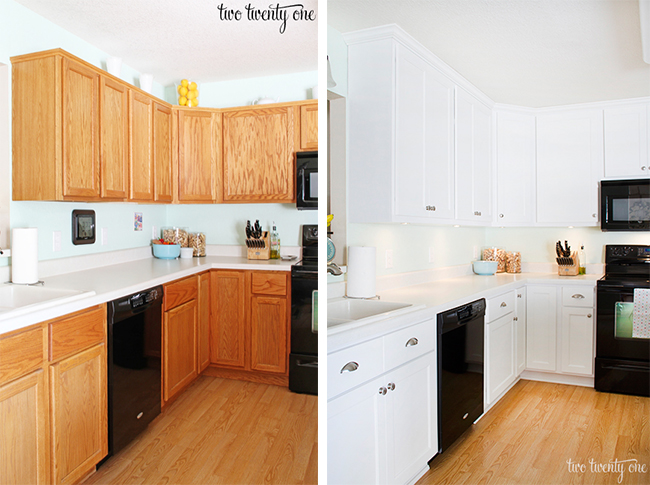
Grease on cabinets creates a yellowed, sticky nightmare, especially on matte finishes where residue soaks into pores. Standard all-purpose cleaners leave a hazy film that attracts more grime. The solution lies in targeted pH balancing.
Wood and Laminate Cabinet Cleaning Protocol
- Matte finishes: Mix 1 tsp oxalic acid crystals + 1 cup warm water. Apply with microfiber cloth, wait 8 minutes, wipe with dry terry cloth
- Glossy surfaces: Use 1:1 isopropyl alcohol (70%) and water—alcohol dissolves grease without stripping varnish
- Avoid at all costs:
- Steam cleaners (warps MDF cores)
- Paper towels (leaves fibers in texture)
Critical Warning: Never spray cleaner directly onto cabinets. Apply to cloth first—excess moisture causes laminate delamination within 48 hours. For textured surfaces, use an old toothbrush with stiff (not hard) bristles to agitate grooves.
Countertop-Specific Grease Removal Tactics

Your countertop material dictates your cleaning strategy. Using the wrong method can cause irreversible damage—like etching marble with acid or clouding quartz with ammonia.
Surface-by-Surface Treatment Guide
| Surface Type | Safe Degreaser | Avoid | Drying Time |
|---|---|---|---|
| Granite | pH-neutral stone cleaner + 5% ammonia | Vinegar, lemon juice | 20 min before resealing |
| Quartz | 3% hydrogen peroxide + blue Dawn dish soap | Bleach, oven cleaner | 15 min |
| Butcher Block | Food-grade mineral oil + coarse salt scrub | Water immersion | Oil overnight |
For immediate results on any countertop, apply a thick paste of washing soda and water. Let sit 10 minutes—washing soda’s high alkalinity (pH 11) saponifies grease into soap. Wipe with vinegar-dampened cloth to neutralize, then dry immediately.
Range Hood Filter Cleaning That Prevents Fire Hazards
Clogged range hood filters aren’t just dirty—they’re a major fire risk with grease buildup exceeding 1/8 inch. Most people damage filters by boiling or oven-cleaning, warping the metal mesh.
Foolproof Filter Degreasing Method
- Remove filters and scrape excess grease with plastic putty knife
- Soak in sink filled with:
– 1 gallon hot water
– 1/4 cup trisodium phosphate (TSP)
– 2 tbsp dish soap - Wait 25 minutes—TSP breaks grease bonds without metal corrosion
- Scrub with nylon brush under running water
- Air-dry completely before reinstalling (damp filters cause mold)
Time-Saver: Place filters in garbage bag with 1/2 cup ammonia overnight. The fumes dissolve grease—no scrubbing needed. Never use this method on aluminum filters.
3 Daily Habits to Stop Grease Before It Builds
Prevention beats deep cleaning every time. These science-backed habits reduce weekly cleaning time by 80%:
- The 2-Minute Stovetop Takedown: While your cooktop is still warm (not hot), wipe with damp microfiber cloth dipped in 1:10 water-dish soap solution. Heat keeps grease liquid for easy removal.
- Cabinet Shield Spray: Mix 1 cup water + 1 tsp fabric softener in spray bottle. Mist cabinet fronts weekly—the anti-static properties repel grease particles.
- Vent Hood Activation Rule: Run your range hood 5 minutes before and 15 minutes after cooking. This captures 90% of airborne grease before surfaces get coated.
Worst Mistakes That Cement Grease Permanently
Avoid these critical errors that turn manageable grease into permanent damage:
- Using hot water on cooled surfaces: Thermal shock sets grease deeper into pores
- Scrubbing in circles: Creates visible micro-scratches that trap future grime
- Skipping the wait time: Degreasers need 8-15 minutes to penetrate—rinsing early just spreads oil
If you’ve already damaged surfaces through improper cleaning, stop immediately. For etched stone, consult a professional restorer—DIY polishing kits often worsen damage.
Final Note: Tackling kitchen grease isn’t about strength—it’s about smart chemistry. By matching solutions to your specific surfaces and implementing the 2-minute daily wipe-down, you’ll maintain a spotless kitchen with minimal effort. Remember the golden rule: Always test cleaners in an inconspicuous area first, and never combine acids with bleach (toxic fumes). For ongoing maintenance, keep a dedicated grease-fighting caddy under your sink with citric acid, microfiber cloths, and a single-edge razor blade. Your future self will thank you when dinner cleanup takes minutes instead of hours. Ready to tackle other kitchen challenges? Explore our guide on eliminating refrigerator odors that linger after deep cleaning.